

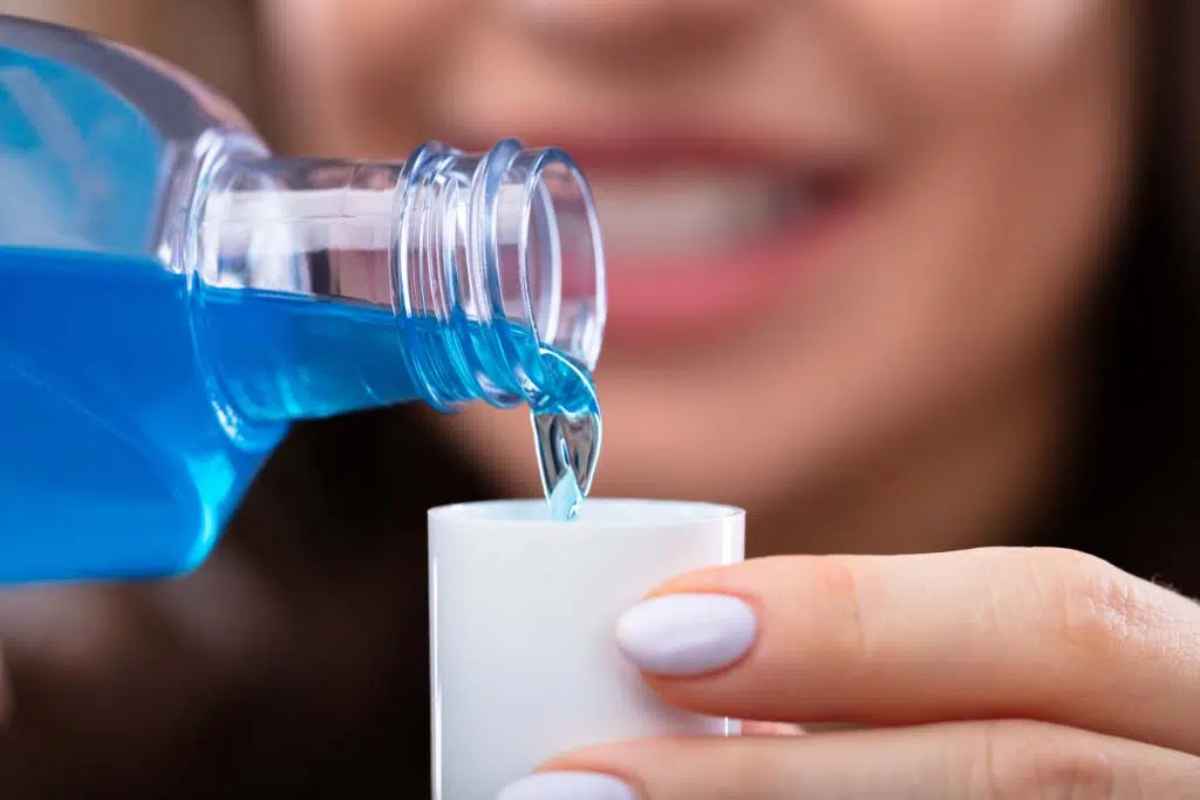
Every category has its turning point—the moment when familiarity stops serving performance. Oral care is quietly crossing that threshold. What worked in an era of convenience chemistry no longer aligns with what we now understand about biology, durability, and intelligent prevention. Today’s shift isn’t about novelty; it’s about precision. And precision, whether you’re a consumer, clinician, or brand builder, always favors systems that respect the body’s design.
1. Need to Protect the Mouth’s Mucosa by Retiring Products with “Chemical Burn”
For long, that burning sensation after mouth rinsing with traditional products was never a sign of health. It was a warning flare most were subjected to ignore. Alcohol-based mouthwashes strip moisture from your oral mucosa—the living tissue lining your cheeks, gums, and tongue. This mucosa tissue isn’t cosmetic. It’s immune-active. It’s your first line of defense. When you dry it out, you weaken the entire system.
Most people think the mouth is just teeth floating in saliva. It isn’t. It’s an organ system.
However, advanced Mouthwash solutions that leverage biomimetic formulas flip the script with super- next-generation performance architecture that integrates protection, repair, and balance without biological compromise. Such microbiome-safe product characteristics include:
- No alcohol, no antiseptic shock
- Hydration is preserved, not punished
- Prebiotics like inulin support protective bacteria
This isn’t “gentler” care. It’s smarter care. Preserving the mucosa isn’t comfort—it’s containment, resilience, and long-game thinking.
2. Ending the “Fuzzy Teeth” Cycle with a Smarter pH Reset
That gritty, chalky feeling after coffee or a stressful day? That’s not plaque. That’s enamel in a softened, etched state after acid exposure. Here’s the problem no one talks about: many traditional mouthwashes are acidic. So right when your teeth need recovery, you bathe them in more stress.
That’s a strategic flaw. Modern biomimetic rinses operate at an alkaline pH (around 8.5), creating an immediate counterbalance:
- Neutralizes dietary and gastric acids on contact
- Restores a smooth, glass-like surface feel
- Creates a biologically safe environment for tissue recovery
For high-frequency acid exposure—snacking, stress, reflux, orthodontics—this pH reset becomes a daily protective intervention, not a cosmetic afterthought.
3. Patching Micro-Damage with Liquid Enamel, Not Empty Promises
Sensitivity doesn’t start as pain—it starts as loss of density. Those “thin” or reactive spots are microscopic structural gaps where enamel has been compromised. Cleaning alone doesn’t solve that.
Biomimetic formulas introduce a repair mindset through nano-hydroxyapatite (nHAp), the same mineral your teeth are made of:
- Fills micro-lesions rather than coating over them
- Physically seals exposed tubules causing sensitivity
- Reinforces enamel architecture from within
Paired with Vitamins D3 and K2, mineral delivery becomes targeted, not random. This is not whitening theater or flavor-driven hygiene—it’s structural maintenance for people who think in systems, not slogans.
4. Sensory Intelligence: Designing for Real-World Compliance
Watery rinses disappear before they can act. Alcohol burn trains you to spit early. Both undermine effectiveness. Modern formulations acknowledge a simple truth: if it feels hostile, it won’t be used correctly.
A thicker, nutrient-rich viscosity changes the equation:
- Extends contact time for mineral bonding
- Coats mucosa instead of evaporating
- Encourages a full 60-second rinse—without resistance
Described by users as closer to a “vanilla milkshake” than medicine, this approach isn’t indulgent. It’s behavioral design. Compliance is a clinical variable, and comfort is often what determines whether precision care actually delivers results.
In essence, letting go of your long time mouth rinse choices, and embracing bio-friendly products isn’t rebellion, it’s discernment and strategy in one. Biomimetic technology delivers care that solutions that work with biology, not against it. Whether you’re choosing for your family, advising patients, or building the next generation of health solutions, this shift signals something deeper than innovation. It signals respect—for the system, and for the future.