

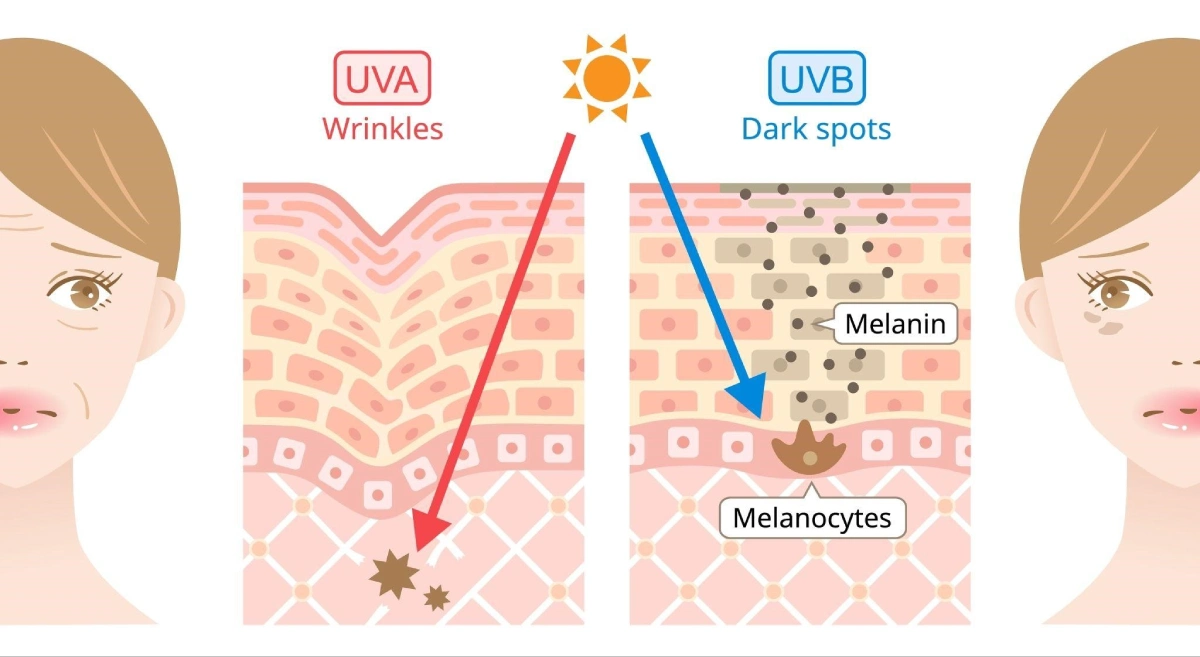
A day in the sun can cause significant damage to your largest organ: the skin. Protecting your skin is about more than just applying sunscreen on beach days. Long-term exposure, even just a little bit every day, adds up because UV light weakens the skin’s structure. Recovery begins with consistent protection, like daily use of a face moisturizer with SPF. This limits new damage and gives your skin time to repair itself. To target your specific needs, it helps to understand how the sun harms your skin so that you can support recovery.
How UV Exposure Damages Skin
You may have seen or heard UV light used to sterilize tools, equipment or indoor air. This is because UV radiation can damage DNA within skin cells, triggering inflammation and oxidative stress over time. Sunlight harms keratinocytes, the cells that make up the outer layer of the skin, triggering inflammation and oxidative stress. It also speeds up moisture loss, which makes the skin vulnerable to breakouts, redness and uneven tone.
Repeated exposure also degrades collagen, which supports the skin’s firmness and smooth texture. UV exposure contributes to fine lines, and the surface becomes less resilient and more brittle. This process is known as photoaging. Over time, it can also raise the risk of skin cancer as damaged cells struggle to repair themselves.
Moreover, pigment cells react to UV stress by producing more melanin. Melanin is the body’s natural sunscreen. If you expose yourself to the sun for long periods, your skin will react by producing more of it to prevent DNA damage in skin cells. Dark spots will become more visible and may deepen and linger for months.
Reversing Sun Damage
It’s important to protect your skin from the start when possible. Once UV radiation changes a skin cell’s DNA, that damage can’t be reversed. However, this doesn’t mean you can’t improve the appearance of your skin. You can support repair, strengthen the barrier and reduce visible signs of damage with steady care.
How to Support Your Skin’s Recovery
A good skincare routine is essential in supporting healthy skin. Make using mineral sunscreen, retinol, and face moisturizer with sun protection factor (SPF) part of your daily habits.
A simple recovery routine often includes:
- Daily mineral sunscreen
- A face moisturizer with SPF during the day
- Retinol at night (as tolerated)
- Consistent hydration and barrier support
Using Mineral Sunscreen
There are two types of sunscreens: mineral and chemical. Mineral sunscreen, also called physical sunscreen, has a thicker texture and sits on the surface of the skin to create a protective barrier. It is made with natural ingredients, like zinc oxide and titanium dioxide, that block UV rays and protect the surface without sinking into pores. These minerals also help calm irritation because they reflect heat rather than absorb it.
Chemical sunscreens protect the skin by absorbing UV rays before they can cause damage. While many people use them successfully, those with sensitive or reactive skin may prefer mineral sunscreen formulas, which are often perceived as gentler and less likely to cause irritation.
Apply a generous amount (about half a teaspoon) of mineral sunscreen as the last step in your morning routine. Spread evenly over your moisturizer to create a smooth surface. Let it settle for a few minutes to let the minerals lock into place. If you plan to wear makeup, let the sunscreen settle and dry down completely before you apply your primer.
If you wash your face, swim or do anything that removes the sunscreen during the day, reapply it before going back into the sun. It should also be reapplied after two hours. This keeps the protective shield intact and prevents new UV damage from building on stressed skin.
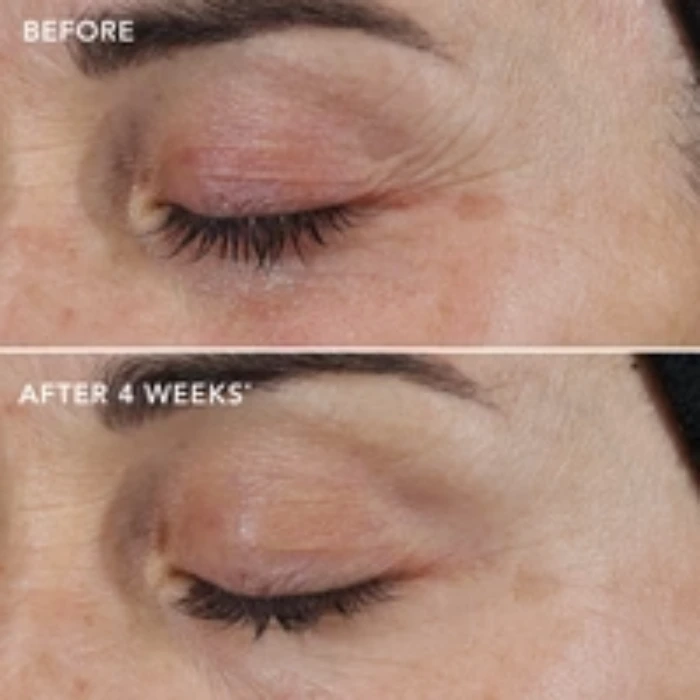
Above: Before and After use of the AGELESS+ retinol repair crème (0.3% retinol complex) from Image Skincare
Retinol Skincare
Retinol is the industry’s gold standard for reversing visible signs of sun damage. It is a derivative of Vitamin A and promotes faster cell turnover. This helps smooth any rough texture caused by UV exposure by guiding older cells to shed and fresh ones to rise.
Retinol also supports collagen production. Collagen is the structural foundation of your skin. By supporting collagen production, retinol helps the skin look younger by boosting elasticity, improving hydration and reducing fine lines. Additionally, retinol can help fade dark spots. It encourages pigment cells to behave more evenly, which helps brighten areas that darken after repeated sun exposure.
Retinol skincare works best at night because the skin repairs itself while you sleep. Apply it after cleansing, and let it absorb fully before you use your moisturizer. Start with a low strength if your skin is sensitive or prone to breakouts. More importantly, use it only once a week. You can slowly increase the frequency to two nights a week as your skin becomes more comfortable with the product.
Face Moisturizer With SPF
SPF moisturizers protect the skin by forming a defensive barrier that absorbs, scatters and reflects UV rays. The primary role of a moisturizer is to hydrate the skin, strengthen the natural moisture barrier and prevent water loss. Consistent use balances oil production, enhances plump texture and keeps the surface calm throughout the day. When you combine hydration with an SPF, you give your skin steady support that helps prevent new UV stress.
Apply your face moisturizer with SPF about 15 minutes before sun exposure. Use it first, before your mineral sunscreen, so the hydration can settle into the skin and create a smooth base. If you’re spending extended time outdoors, reapply sunscreen every two hours or more often after swimming or heavy sweating to maintain consistent protection.
Before bed, remember also to drink water and apply your face moisturizer. The body loses up to 23 ounces of water while you sleep, and the skin enters its natural repair mode during this time. It’s not ideal for the skin to begin repairing itself while the body is dehydrated. Drinking water and using a nighttime moisturizer help replace the water lost overnight. This helps give skin the hydration it needs to complete its repair cycle smoothly.
Rejuvenate Your Skin With Simple Skincare Practices
It’s never too late to care for skin that has been damaged by the sun. At any age, you can begin a recovery process that strengthens the barrier, restores hydration and improves texture over time. The skin responds well to consistency. Small daily habits can create meaningful change when practiced steadily.