

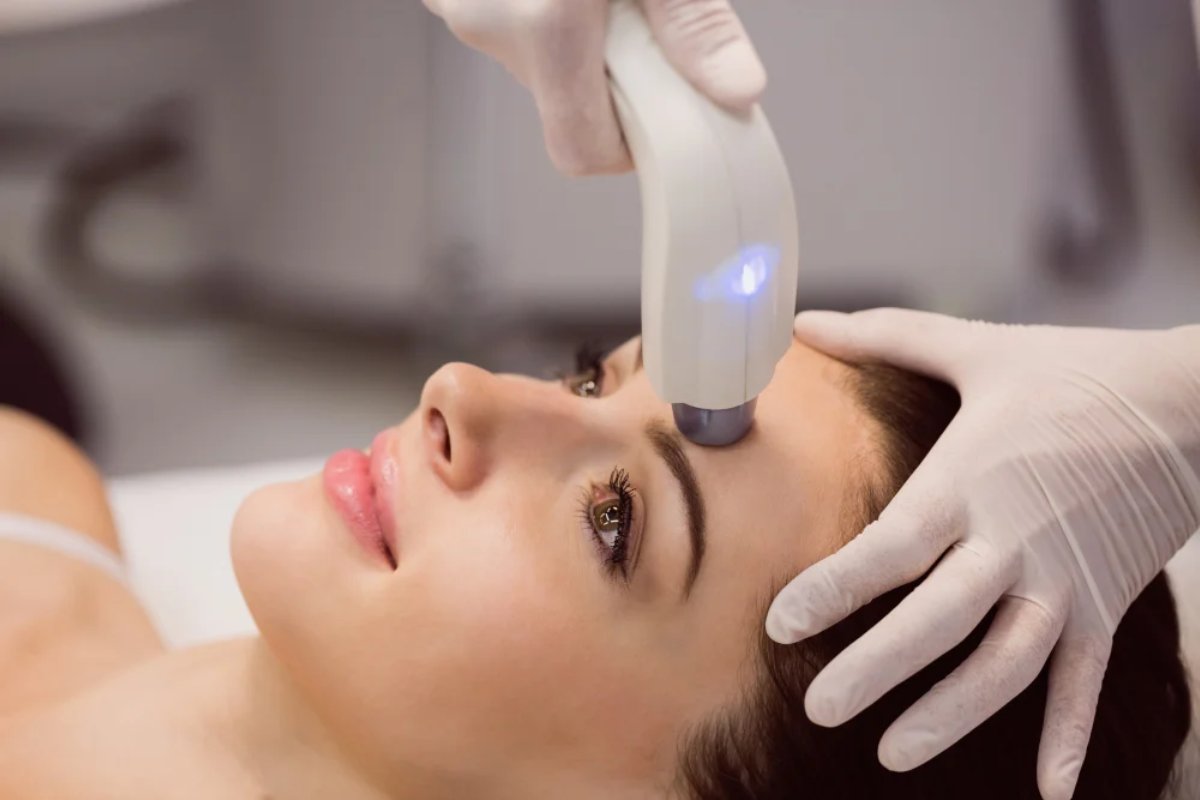
Laser resurfacing is a widely used cosmetic dermatology procedure designed to improve skin texture, tone, and overall appearance. It is commonly used to reduce fine lines, wrinkles, acne scars, sun damage, and uneven pigmentation. While the procedure can deliver noticeable results, timing and preparation play a major role in safety and outcomes.
This article explains when laser resurfacing is usually recommended, why timing matters, and what dermatologists consider before treatment, using medically accurate and patient‑focused guidance.
What Is Laser Resurfacing?
Laser resurfacing uses controlled laser energy to remove or heat targeted layers of skin. This process stimulates the body’s natural healing response, encouraging the production of new collagen and healthier skin cells.
There are two broad categories:
- Ablative lasers (such as CO₂ or Erbium lasers), which remove the outer layers of skin and typically require more recovery time.
- Non‑ablative lasers, which work beneath the skin surface to stimulate collagen with less downtime, often requiring multiple sessions.
The intensity of treatment, recovery time, and potential risks vary depending on the laser type, skin condition, and individual skin tone.
Why Timing Matters for Laser Resurfacing
Laser-treated skin is temporarily more sensitive to sunlight. Exposure to ultraviolet (UV) rays during the healing phase can increase the risk of complications such as prolonged redness, irritation, or pigmentation changes.
Because of this increased sensitivity, dermatologists focus less on the calendar month and more on UV exposure levels and the patient’s ability to protect their skin during recovery.
Is Winter Really the Best Time?
Many dermatologists recommend fall, winter, or early spring for laser resurfacing. This is not because the procedure can only be done during these months, but because:
- UV radiation is generally lower
- People spend less time outdoors
- It is easier to wear protective clothing and avoid sun exposure
- Healing skin is less likely to be exposed to excessive heat and sweating
Cooler months can make post‑treatment care more manageable, which may reduce the risk of complications.
That said, laser resurfacing can be performed at other times of the year if sun avoidance and proper skin protection are strictly followed.
Is Laser Resurfacing a “Gentle” Procedure?
Laser resurfacing is a medical cosmetic procedure, not a spa treatment. While some non‑ablative treatments are mild, others—particularly ablative lasers—can be intensive and require meaningful recovery time.
Common short‑term effects may include:
- Redness and swelling
- Skin peeling or flaking
- Temporary sensitivity or warmth
These effects are expected parts of the healing process and usually improve over time. Recovery length depends on the type of laser used and individual healing response.
Recovery and Aftercare Considerations
Dermatologists emphasize planning for recovery before scheduling laser resurfacing. This includes:
- Avoiding direct sun exposure before and after treatment
- Using broad‑spectrum sunscreen daily as advised by a clinician
- Allowing adequate downtime for healing
- Following personalized aftercare instructions provided by a qualified professional
Full skin healing and collagen remodeling may continue for weeks or months after treatment, even after visible redness fades.
How to Prepare for Laser Resurfacing Safely
Proper preparation before laser resurfacing can significantly reduce risks and improve results. Dermatologists typically recommend starting preparation several weeks in advance, depending on the laser type and your skin condition.
Common pre-treatment guidelines may include:
-
Avoiding sun exposure and tanning for at least 2–4 weeks before treatment
-
Stopping certain skincare products (such as retinoids, exfoliating acids, or bleaching agents) as advised
-
Informing your dermatologist about medications or supplements that may affect healing
-
Using prescribed pre-treatment skincare, such as gentle cleansers or antiviral medication if you are prone to cold sores
-
Planning downtime so your skin can heal without pressure from work, travel, or social events
Preparing the skin helps ensure even laser penetration, lowers the risk of post-treatment pigmentation changes, and supports smoother healing. A personalized pre-procedure plan from a qualified dermatologist is the safest way to optimize both short-term recovery and long-term results.
Who Should Be Extra Cautious?
Laser resurfacing may not be suitable for everyone. Individuals who should consult carefully with a dermatologist include:
- Those with darker skin tones (higher risk of pigmentation changes)
- People with active skin infections or inflammatory skin conditions
- Individuals prone to cold sores or scarring
- Anyone using medications that affect skin healing
A professional consultation helps determine whether laser resurfacing is appropriate and which laser type is safest.
What Dermatologists Agree On
Across clinical guidance, dermatologists consistently agree that:
- Sun protection is critical before and after laser resurfacing
- Seasonal timing helps mainly by reducing UV exposure, not because of temperature alone
- Downtime and recovery vary, and expectations should be realistic
- Individual skin type and goals matter more than the season itself
The best results come from proper planning, professional evaluation, and careful aftercare—not just choosing the “right month.”
Final Thoughts
Laser resurfacing can be an effective option for improving skin quality when performed at the right time and under professional guidance. While fall and winter are often preferred due to easier sun avoidance, the procedure is ultimately about skin safety, preparation, and recovery, not just the season.
For best results, timing should be decided in consultation with a qualified dermatologist who can assess your skin type, lifestyle, and treatment goals.
Frequently Asked Questions (FAQ)
Is there a best season for laser resurfacing?
Laser resurfacing is commonly scheduled during fall, winter, or early spring because lower ultraviolet (UV) exposure makes it easier to protect healing skin. However, the procedure can be performed year‑round if strict sun avoidance and proper aftercare are followed.
Can laser resurfacing be done in summer?
Yes, laser resurfacing can be done in summer, but it requires extra caution. Dermatologists emphasize diligent sun protection, limited outdoor exposure, and adherence to post‑procedure care to reduce the risk of pigmentation changes and delayed healing.
How long does recovery from laser resurfacing take?
Recovery time depends on the type of laser used. Non‑ablative treatments may involve minimal downtime, while ablative lasers can require several days to weeks for visible healing. Redness and skin sensitivity may persist longer as collagen remodeling continues.
Is laser resurfacing safe for all skin types?
Laser resurfacing is not equally suitable for everyone. Individuals with darker skin tones or certain skin conditions may have a higher risk of pigmentation changes. A consultation with a qualified dermatologist is essential to determine the safest treatment option.
Why is sun avoidance so important after laser resurfacing?
After laser resurfacing, the skin is more vulnerable to UV damage. Sun exposure during healing can increase the risk of hyperpigmentation, irritation, and uneven results. Dermatologists strongly recommend sun protection before and after treatment.
Medical Disclaimer
This article is for educational purposes only and does not replace professional medical advice. Always consult a licensed dermatologist or qualified healthcare provider before undergoing cosmetic or medical skin procedures.