

Introduction
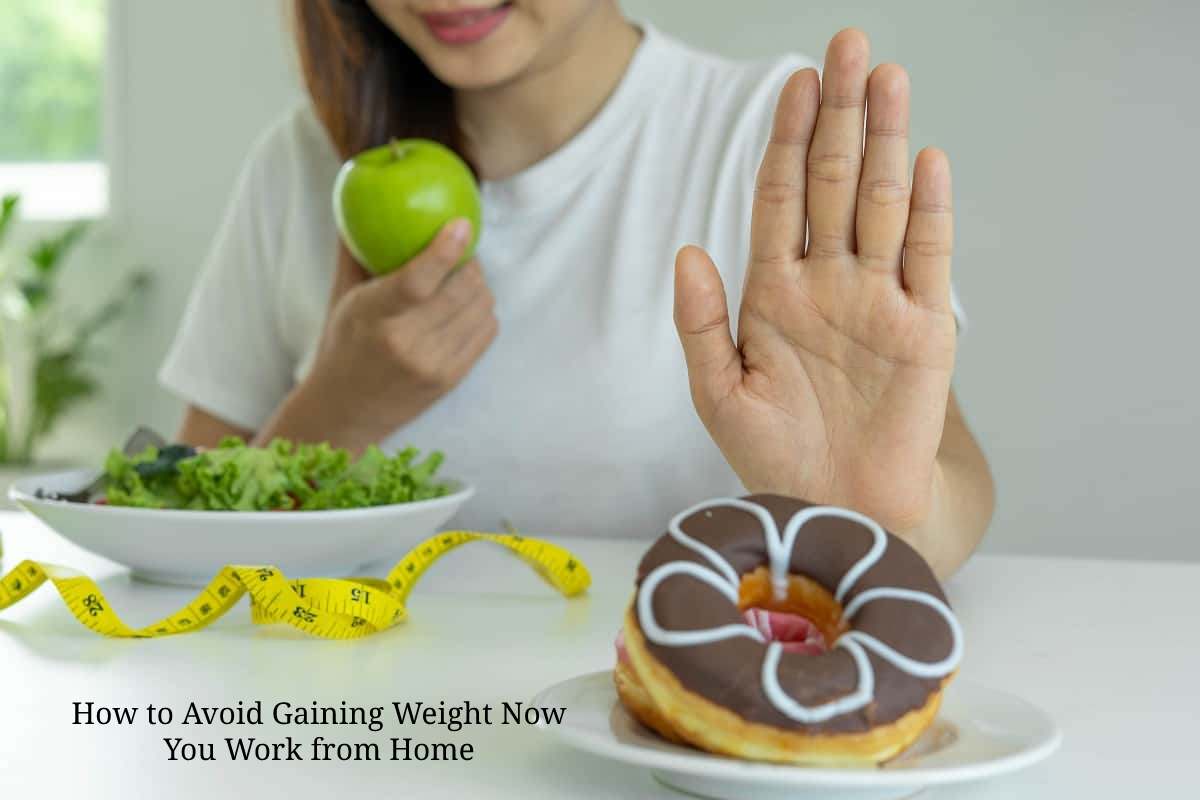
Working from home has become the new normal for millions of people worldwide. While remote work offers flexibility and convenience, it also brings unexpected health challenges—one of the most common being unwanted weight gain. Reduced daily movement, easy access to food, irregular schedules, and increased stress can quietly lead to extra pounds.
The good news? Weight gain while working from home is not inevitable. With the right strategies focused on movement, nutrition, routine, and mindset, you can maintain—or even improve—your health. This article explains why working from home leads to weight gain and provides evidence-based, actionable strategies to help you stay fit and healthy.
Why Weight Gain Happens When You Work From Home
Reduced NEAT: The Hidden Fat-Loss Factor
One of the biggest contributors to weight change isn’t exercise—it’s NEAT (Non-Exercise Activity Thermogenesis). NEAT includes all the energy you spend outside formal workouts—like walking to your desk, climbing stairs, or pacing during phone calls.
Studies show that NEAT can vary by hundreds of calories per day, depending on how much incidental movement you do.
When you go from a commute and office environment to a home setup, NEAT can drop dramatically—often without you realizing it.
Structure Your Workday to Boost Movement
Build Movement Into Every Hour
Goal: Move briefly every 60–90 minutes.
Why: Research shows that even short breaks from sitting improve metabolic health and calorie expenditure.
Action Steps
-
Set a timer using the Pomodoro Technique (25 min work + 5 min movement).
-
Stand or walk while taking calls.
-
Do a quick 60–90 second mobility or stretch break.
Reimagine “Breaks”: Outdoor & Active
Spending your breaks outdoors doesn’t just boost movement—it may also improve mood and circadian rhythms.
Try This
-
10-minute neighborhood walk after lunch
-
Walk with your beverage instead of sitting with it
-
Standing or strolling meetings
Tip: Place your shoes by your workspace as a visual prompt to go outside.
Choose Physical Activities You Enjoy
Formal exercise is great—but sustainable routines are rooted in activities you enjoy.
Weekly Activity Categories
| Type | Examples |
|---|---|
| Low-impact | Walking, yoga, swimming |
| Moderate | Badminton, tennis, cycling |
| Social | Group fitness classes, outdoor sports |
How to Start
-
Aim for 150 minutes of moderate activity weekly (CDC guideline).
-
Track with a wearable or phone app.
Health Precaution: If you have a medical condition, seek personalized guidance from a qualified healthcare professional before starting a new exercise routine.
Make Smarter Food Choices at Home
Eating habits naturally shift when your kitchen is steps away. Just being aware helps.
WFH Meal Planning Tips
-
Plate first before snacking—don’t eat straight from the packet
-
Program structured meals instead of grazing
-
Choose protein-rich foods to improve satiety
-
Balance each meal with fiber (veg, fruit, whole grains)
Calorie Tip: Since your daily energy expenditure often declines when working from home, slight calorie adjustments—focused on quality—not deprivation—can help maintain weight.
Use Social Interaction Strategically
Working from home can reduce natural prompts to move. Social connection, however, can increase accountability and activity.
Ways to Stay Social & Active
-
Schedule regular walks with friends or former colleagues
-
Join a team sport after work hours
-
Attend fitness classes together
Group programs and accountability partners increase consistency, according to behavioral research.
Practical Tools You Can Start Using Today
These plug-and-play tools help you turn advice into habits:
How to Avoid Gaining Weight When You Work From Home
The table below provides clear, practical, and research-informed strategies that address the most common work-from-home challenges.
Evidence-Based Strategies to Prevent Weight Gain While Working From Home
| Category | Strategy | Why It Works | Actionable Tips |
|---|---|---|---|
| Daily Movement | Break up sitting time | Frequent movement improves metabolism and insulin sensitivity | Stand or walk 3–5 minutes every 30–60 minutes |
| Increase NEAT (Non-Exercise Activity Thermogenesis) | Small daily movements can burn hundreds of calories | Walk during calls, stretch, pace while thinking | |
| Schedule workouts | Planned exercise improves consistency | Aim for 150 minutes/week of moderate activity | |
| Nutrition | Follow structured meal times | Prevents constant grazing and overeating | Eat 3 balanced meals, avoid eating at your desk |
| Prioritize protein & fiber | Improves fullness and reduces cravings | Include lean protein + vegetables at each meal | |
| Practice mindful snacking | Reduces boredom eating | Pre-portion snacks like nuts, fruit, yogurt | |
| Hydration | Drink water regularly | Helps regulate appetite and reduce unnecessary snacking | Drink water before meals and keep a bottle nearby |
| Sleep & Stress | Get adequate sleep | Poor sleep increases hunger hormones | Aim for 7–9 hours nightly, consistent bedtime |
| Manage stress effectively | Stress promotes emotional eating | Try breathing exercises, short walks, or meditation | |
| Home Environment | Control food visibility | Accessibility increases eating frequency | Keep unhealthy snacks out of sight |
| Design an active workspace | Encourages movement | Use a standing desk or set movement reminders | |
| Routine & Habits | Maintain a daily schedule | Reduces erratic eating and inactivity | Fixed work hours, meal times, and breaks |
| Use accountability tools | Improves long-term adherence | Track steps, calories, or activity goals |
8. FAQs
Q: Can I prevent weight gain without intense workouts?
Yes—research shows that increasing daily NEAT and planning structured activity often has as much impact as formal gym sessions.
Q: How much should I walk each day working from home?
A good target is 7,000–10,000 steps daily, depending on your baseline. Incremental increases matter more than hitting an exact number.
Final Thoughts
Working from home does not have to mean gaining weight. By focusing on daily movement, structured eating, quality sleep, and stress management, you can protect your health and feel more energized throughout the day.
Small, consistent changes—rather than extreme diets or intense workouts—are the most sustainable way to stay healthy while working remotely.