

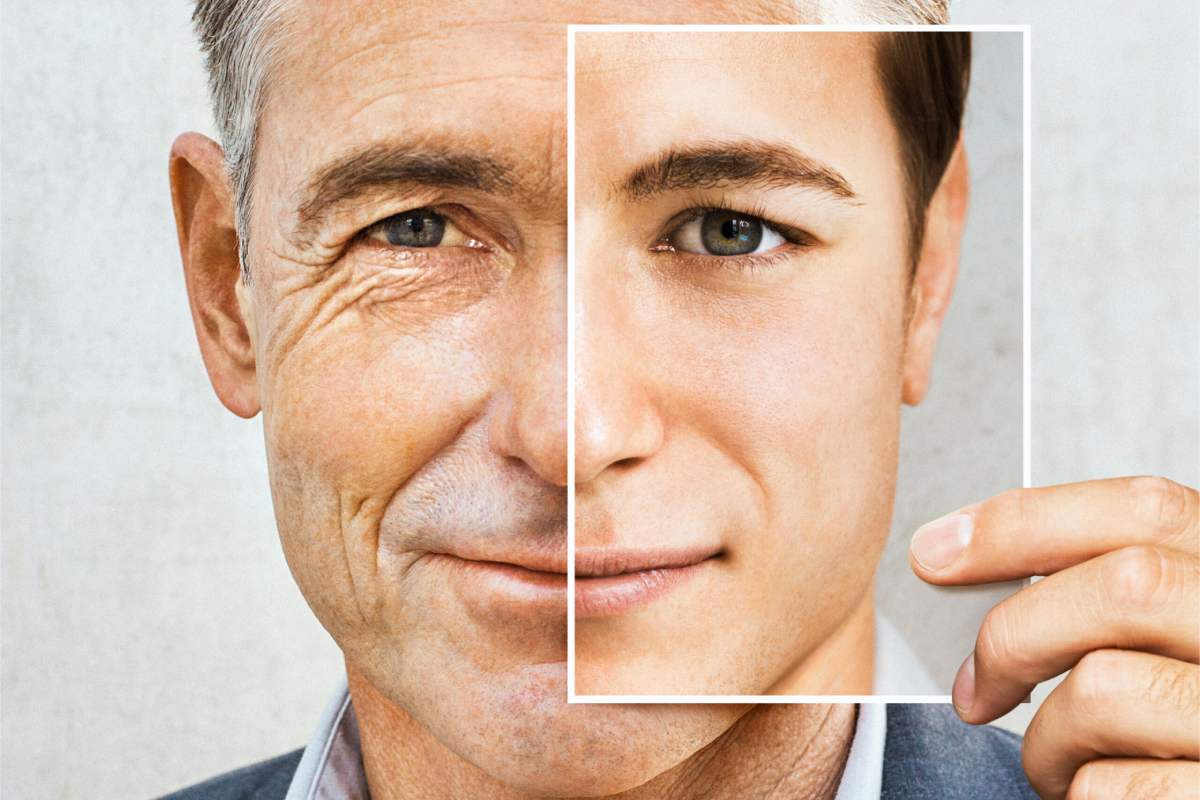
Aging is no longer seen as an inevitable decline, but as a biological process that can be understood, modulated, and potentially altered. Over the past decade, advances in cell biology, pharmacology, machine learning, and clinical research have expanded the anti-aging landscape beyond simple supplements. Instead, a new generation of targeted therapies, biomarkers, and personalized approaches is emerging to extend healthspan—the period of life free from chronic disease—and ultimately influence the aging process itself.
Understanding Aging at the Cellular Level
Aging arises from multiple interacting mechanisms—including DNA damage, mitochondrial dysfunction, stem cell exhaustion, and chronic inflammation. These are often described as the hallmarks of aging, and targeting them has guided a new wave of treatments.
1. Cellular Senescence
Cells under chronic stress may enter senescence: they stop dividing but remain metabolically active and secrete pro-inflammatory factors known as the senescence-associated secretory phenotype (SASP). Eliminating or modulating these cells has become a major strategy.
2. Metabolic Pathways and Nutrient Sensors
Key pathways like AMPK and mTOR regulate metabolism and stress responses. Drugs that influence these pathways—such as metformin and rapamycin—show promise in slowing age-related functional decline.
3. Epigenetic Aging
Age-related changes in DNA methylation and chromatin structure can be reversed in cells through epigenetic reprogramming, providing a potential route toward rejuvenation.
Key Emerging Anti-Aging Interventions (2026)
| Treatment / Strategy | Mechanism / Target | Status | Potential Benefits | Challenges / Notes |
|---|---|---|---|---|
| Senolytics | Selectively eliminate senescent cells | Human trials in progress | Reduction in inflammation; improved physical function | Safety profile under evaluation; some senescent cells have beneficial roles |
| Senomorphics | Suppress SASP without killing cells | Pre-clinical to early human studies | Reduced chronic inflammation; tissue preservation | May require continuous dosing |
| Rapamycin & mTOR Inhibitors | Inhibits mTOR to modulate aging | Clinical interest; dosing optimization ongoing | Extended lifespan in animals; improved metabolic resilience | Side effects with chronic use; optimal protocols debated |
| Metformin & Metabolic Modifiers | Activates AMPK, reduces oxidative damage | Large clinical trials underway (e.g., TAME) | May delay age-related diseases | Not yet approved specifically for aging |
| NAD⁺ Precursors (NMN/NR) | Boosts cellular energy and repair | Widely available; research active | Improves mitochondrial function | Effects on lifespan in humans still unproven |
| Epigenetic Reprogramming | Resets gene expression age | Pre-clinical to early translational research | Cellular rejuvenation potential | Clinical trials not yet widespread |
| AI-Designed Interventions | AI-driven drug discovery & personalized therapy | Emerging biotech programs | Accelerated drug design, custom longevity strategies | Requires robust clinical validation |
| Combination Therapies | Multi-modal regimens (sequenced or simultaneous) | Early research | Synergistic benefits across pathways | Scheduling complexity; unknown long-term effects |
How nicotinamide mononucleotide mitigates age-associated physiological decline
As we get older, our bodies produce lower levels of NAD+. This makes it harder for our bodies to repair cells and makes it easier to introduce metabolic disorders and age-related diseases. Since NMN levels have a crucial role in NAD+ production, increasing it should help slow aging caused by a deficiency in NAD+.
Animal studies have shown that increased levels of NAD+ can extend lifespan by fueling proteins called sirtuins, which help sustain genome integrity and cause reduced DNA damage. Human studies of NAD-fueled sirtuin activity are still ongoing, but there have been studies that show how NMN can increase telomere length in DNA. Telomeres protect the ends of chromosome DNA from damage, but they shorten over time from perpetual cell division until cell death. This leaves us vulnerable to age-related illnesses.
NMN appears to be effective against skin aging caused by exposure to particulate matter, commonly encountered through air pollution in cities. Particulate matter can cause oxidative stress to cells, which, according to research, can be relieved by the NMN molecule. Scientists have also done NMN research showing its protective effects against UV damage in mice.
Using nicotinamide mononucleotide as a dietary supplement
NMN and NAD+ can be found naturally in humans and can be produced by a healthy diet, but decreased NMN production is normal as we grow older. NMN products can help replenish NAD+ levels to maintain their beneficial effects. NAD+ is difficult to introduce to the body as is, but the smaller NMN can more easily permeate through cell membranes. NMN may be ingested in the form of dietary supplements.
It is not a heavily regulated therapeutic drug. Many studies suggest that it is safe to consume with no reported toxic effects. It is recommended for adults aged 30 to 60 to take 500mg per day. Older adults can take higher doses of up to 750mg per day. However, it would be wise to seek professional medical advice before taking NMN to make sure it’s the right treatment for you and for you to be aware of any potential side effects.
It must be noted that while the supplements are available commercially, human clinical trials for NMN supplementation are still ongoing. The NMN supplement is deemed safe for animals, and the effects in human trials look promising. A clinical study involving oral administration of NMN to men over 65 years old (all healthy adults) showed enhanced muscle performance with no adverse effects. Another study showed how NMN can improve insulin sensitivity in prediabetic women. More clinical testing is required to ensure long-term safety and for it to potentially be an FDA-approved drug.
Other health benefits of nicotinamide mononucleotide
The benefits of NMN in our bodies are immense. Aside from its anti-aging properties, further research shows evidence of positive effects on overall health. In addition to helping with metabolism, DNA maintenance, and prevention of age-related conditions, it can improve sleep quality, blood flow, brain function, and heart function. It also limits liver damage.
Taking NMN to increase NAD+ levels in blood cells benefits the immune system and affects skeletal muscle aging. It also helps regulate our circadian rhythm. Some researchers believe that it can help with more critical health conditions like diabetes, neurodegenerative diseases (including Alzheimer’s disease), and cancer. NMN supplements truly have a big potential to increase life expectancy.
There are more potential benefits to humans that could be translated from animal trials. One study found NMN supplementation to have specific benefits in gut bacteria cultivation in mice. More studies on mice show how NMN treatment can prevent cognitive decline and further increase longevity.
With its great therapeutic potential, NMN supplements are certainly something to look out for. For more in-depth information, visit https://www.nmn.com/.
Challenges and Considerations
Despite promising signals, there are important scientific and regulatory hurdles:
-
Limited human data: Most interventions show robust results in animals but require more human trials to confirm efficacy.
-
Biomarkers and measurement: Reliable aging clocks and biomarkers are essential to assess treatment impact.
-
Safety and long-term effects: Eliminating cell populations or altering gene regulation could have unintended consequences if not precisely targeted.
-
Ethical and access issues: As with many advanced therapies, equitable access and ethical implementation remain concerns.
Conclusion
The future of anti-aging science is transitioning from supplement claims to evidence-driven, mechanistic interventions. Researchers are now focusing on the biology of aging itself—through senescent cell modulation, metabolic reprogramming, epigenetic rejuvenation, and AI-enabled personalized medicine.
While widespread clinical adoption may still be years away, the ongoing trials and mechanistic insights suggest that the first generation of effective anti-aging therapies could be realized well before mid-century.