

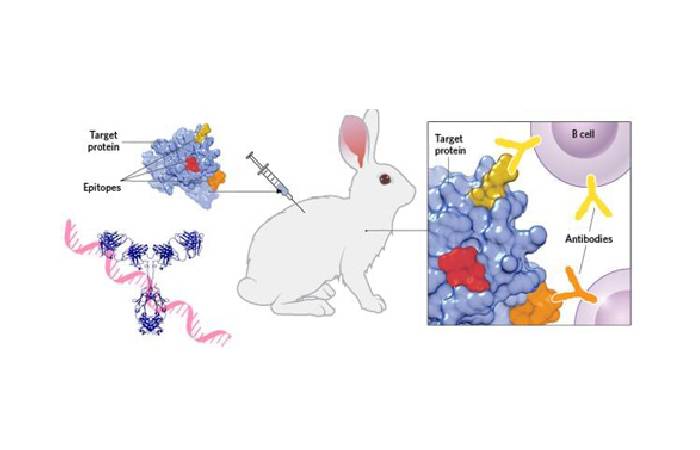
Think of antibodies as your body’s specialized search and rescue teams. They are tiny proteins designed to find and latch onto one specific target, like a virus or a cancer cell, to flag it for destruction. For decades, scientists have borrowed these tools from animals, especially mice and rabbits, to create tests and treatments for human diseases. Recently, antibodies from rabbits have stepped into the spotlight as some of the most precise and reliable tools available.
This article explains why rabbit antibodies are so special, how we turn them into powerful medical tools, and where you might encounter their benefits in healthcare today.
Why Rabbits Make Great Antibodies
You might wonder why we use rabbits instead of more common lab animals like mice. The answer lies in their unique immune system.
A rabbit’s immune system is a master at creating a huge variety of antibodies. While humans and mice have a large library of pre-made antibody blueprints (genes), rabbits work differently. They start with a smaller set of blueprints and then actively edit and refine them throughout their lives, particularly early on in tissues surrounding their gut. This process is like taking a basic sketch and creating countless detailed, unique versions.
The result? Rabbit antibodies tend to be incredibly “sticky” and precise for their targets. They often bind more tightly and specifically than mouse antibodies, especially for complex human targets. This makes them exceptionally good at telling the difference between very similar-looking molecules, which is crucial for accurate medical tests.
Turning Rabbit Antibodies into Reliable Medical Tools
When a rabbit is given a vaccine for a specific target (like a piece of a cancer cell), its body produces a mix of many different antibodies against it. This mixture is called a polyclonal antibody. It’s effective but can vary from batch to batch.
For consistent, large-scale use in labs and clinics, scientists need a single, perfect antibody that can be reproduced exactly forever—a monoclonal antibody.
Creating rabbit monoclonal antibodies was tricky because the standard method used for mice didn’t work well. Scientists solved this with two key technologies:
-
The Hybridoma Method: This involves fusing a single antibody-producing cell from an immunized rabbit with a cancer cell that can grow forever in a lab. The resulting hybrid cell acts like a tiny, living factory, producing one specific antibody indefinitely.
-
Phage Display: This is a high-tech, molecular method. Scientists put the genetic instructions for millions of rabbit antibody fragments onto viruses that infect bacteria. They then use the target molecule as “bait” to fish out and select the single virus (and its antibody gene) that binds the best. This method is very powerful for finding rare or perfect matches.
These techniques allow us to tap into the rabbit’s natural talent for making superb antibodies and turn them into standardized, reliable scientific tools.
How Rabbit Antibodies Help Patients Today
While rabbit antibodies are vital in research labs worldwide, their most direct impact on patient care is in disease diagnosis.
In Your Doctor’s Office:
The most widespread use is in diagnosing cancer from biopsy samples. A pathologist uses rabbit monoclonal antibodies as high-precision stains to look for specific markers on tumor cells. For example:
-
In breast cancer, they test for HER2, estrogen receptor (ER), and progesterone receptor (PR). The results directly determine if a patient will benefit from certain life-saving targeted therapies.
-
For many cancers, testing for the PD-L1 marker helps decide if a patient is eligible for modern immunotherapy drugs.
These rabbit antibody-based tests are critical for making personalized treatment decisions. To date, over a dozen different rabbit monoclonal antibodies have been formally approved by health authorities like the FDA specifically for use in these diagnostic tests.
On the Horizon:
The future is even more promising. Because rabbit antibodies bind so tightly, they are excellent candidates for new drugs. Scientists are working on “humanizing” them—re-engineering the rabbit antibody to look human to our immune systems to prevent rejection. Several of these humanized rabbit antibody drugs are currently in clinical trials for treating cancers, autoimmune diseases, and more.
Conclusion
From their origins in the unique rabbit immune system to their role in cutting-edge labs and hospitals, rabbit antibodies are a fascinating success story in biotechnology. They exemplify how observing nature’s solutions—like the rabbit’s precise immune response—can lead to better tools for science and medicine. The next time you hear about a precise cancer diagnosis or a new targeted therapy, there’s a chance a rabbit antibody played a key role in making it possible.
For More Information, You Can Explore:
-
Educational Resources: Websites like the Genetic Science Learning Center (University of Utah) offer great visual explanations of antibodies and hybridoma technology.
-
Patient Resources: Reputable cancer organizations (e.g., American Cancer Society) provide detailed guides on how diagnostic tests like HER2 and PD-L1 testing guide treatment.
-
Scientific News: Outlets like ScienceDaily often report on new antibody therapies entering clinical trials in an accessible way.