

Many serious eye conditions develop quietly. They cause no pain and show no obvious warning signs until vision loss becomes permanent. This silent progression makes routine eye care one of the most important steps you can take to protect your sight.
The Silent Threat to Your Vision
Glaucoma earns its nickname as the “silent thief of sight” because it damages the optic nerve without symptoms. The disease typically affects peripheral vision first, and many people don’t notice changes until significant damage has occurred. Less than half of people with glaucoma know they have it.
Other conditions follow similar patterns. Age-related macular degeneration affects central vision but often goes unnoticed in one eye while the other compensates. Diabetic retinopathy can damage blood vessels in the retina before any vision changes appear. Cataracts cloud the lens gradually, making the decline easy to overlook.
The common thread among these conditions is that early detection makes treatment more effective. When caught in early stages, many eye diseases can be managed to slow progression and preserve vision.
What Happens During a Comprehensive Eye Exam
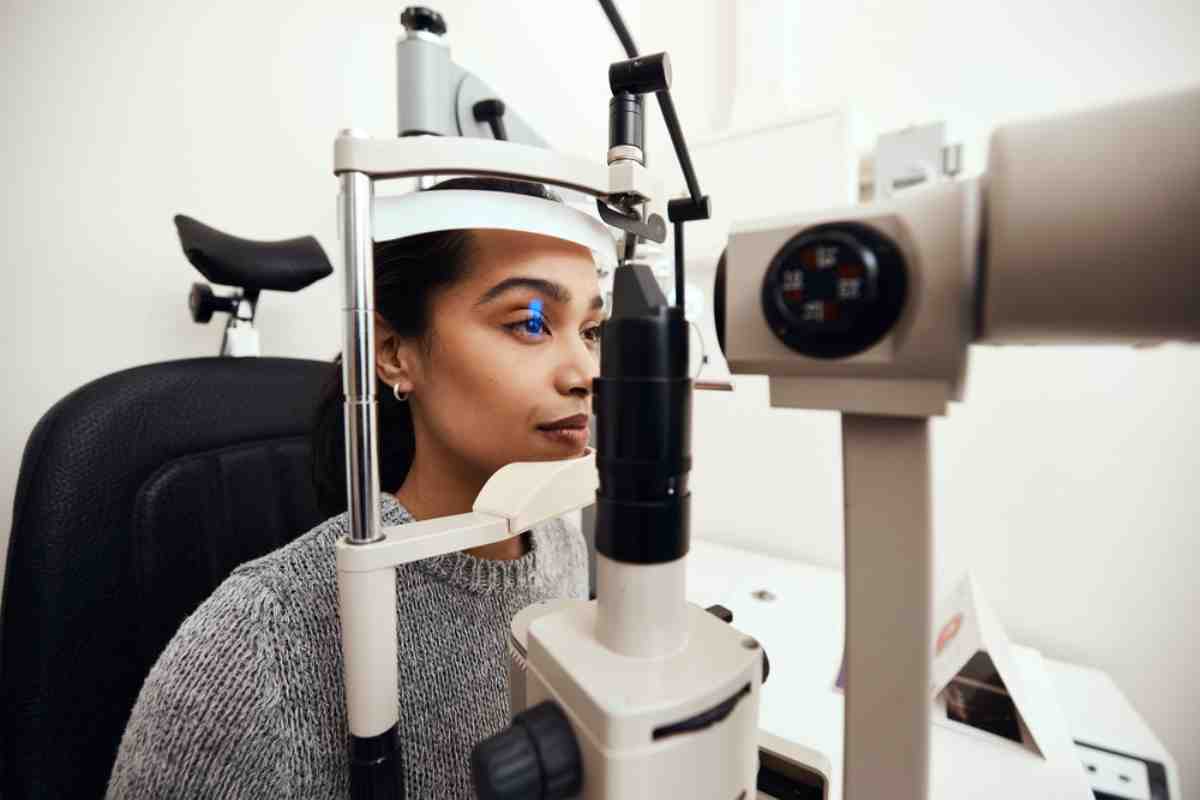
A dilated eye exam is the only way to detect these conditions before they cause permanent damage. Your eye care professional places drops in your eyes to widen the pupils. This allows them to examine the retina, optic nerve, and blood vessels thoroughly.
The process takes about an hour, including waiting time for the drops to take effect. Your pupils will stay dilated for several hours afterward, so plan accordingly. When you schedule an eye exam in Milwaukee, you’re taking a proactive approach to detecting problems before they threaten your sight.
Regular exams also ensure your prescription stays current. Your eyes change gradually over time, and updated contact lenses Milwaukee prescriptions help maintain clear, comfortable vision.
Who Needs Regular Eye Exams
Adults over 40 should prioritize routine vision care, as age-related conditions often begin developing during this period. People with diabetes, high blood pressure, or other chronic conditions face higher risks and need more frequent monitoring.
Family history matters too. Several genes influence glaucoma development, making anyone with affected relatives more vulnerable. If someone in your family has experienced vision loss, mention it to your optometrist Milwaukee provider.
According to the Centers for Disease Control and Prevention, comprehensive dilated eye exams can detect common eye diseases in their early stages. The CDC emphasizes that this type of exam is essential for preventing vision loss.
Take Action for Your Eye Health
Vision loss from many eye diseases is irreversible, but early treatment can preserve what remains. The difference between catching a condition early and waiting too long can determine whether you maintain functional sight or face severe limitations.
Regular eye care isn’t just about updating prescriptions. It’s about catching problems when they’re most treatable and protecting your ability to read, drive, work, and enjoy the activities that matter most to you.
See Clearly, Live Fully
Don’t wait for symptoms to appear. Many sight-threatening conditions cause no noticeable changes until permanent damage occurs. Schedule your comprehensive eye exam today and take control of your vision health. Your future sight depends on the actions you take now. Contact 414 Eyes to book your appointment and ensure your eyes get the care they deserve.