

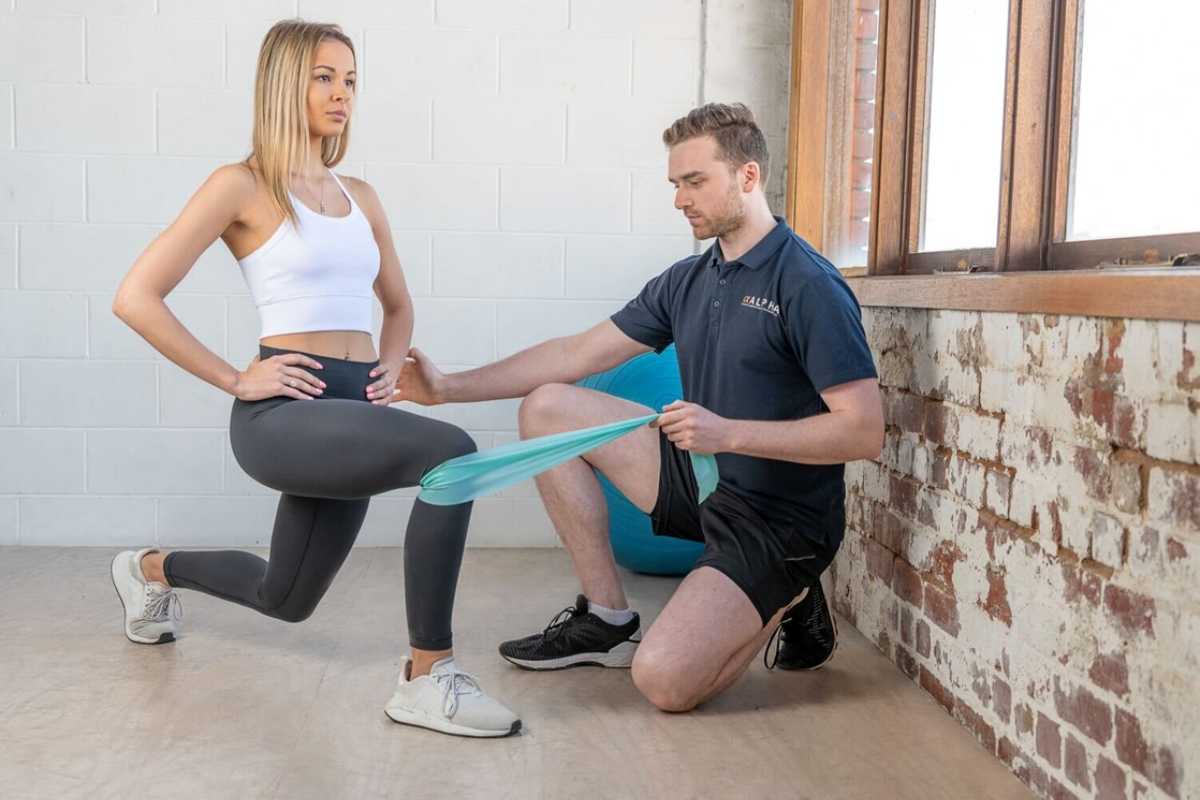
Sport continues to thrive across Melbourne, and with increased participation comes a steady rise in sporting-related injuries. At our clinics in Newport, Ascot Vale and Bacchus Marsh, we regularly assess and treat athletes of all ages and abilities — from recreational exercisers to competitive sportspeople.
While every athlete’s body and training demands are different, certain musculoskeletal injuries appear repeatedly. These injuries are often linked to common factors such as overload, reduced strength, poor biomechanics, or inadequate recovery. Understanding these patterns is key to both effective treatment and long-term injury prevention.
Below are the five most common sporting injuries we see, along with evidence-based strategies to help you stay active, resilient, and pain-free.
1. Lower Back Pain in Athletes
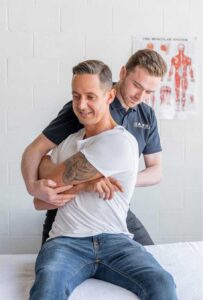
Lower back pain is one of the most frequent reasons athletes seek Osteopathy or Physiotherapy care. Sports involving rotation, impact, or repeated bending — such as football, golf, cricket, and running — place significant stress on the lumbar spine.
Common contributing factors include:
Reduced core and hip stability
Poor movement mechanics
Sudden spikes in training load
Prolonged sitting between training sessions
Prevention strategies:
Prioritise core and trunk strengthening (e.g.
planks, dead bugs, Pallof press)
Improve hip mobility and glute activation
Progress training load gradually
Balance high-impact sports with lower-impact
cross-training
Targeted assessment and rehabilitation can
significantly reduce recurring lower back pain
and improve overall performance.
2. Rotator Cuff Injuries
Rotator cuff injuries are particularly common in overhead athletes such as swimmers, tennis players, baseballers, and gym-goers. These injuries often develop gradually due to repetitive loading and suboptimal shoulder mechanics.
Why they occur:
Weak scapular stabilisers
Poor overhead technique
High training volume with limited recovery
Reduced thoracic spine mobility
Prevention strategies:
Strengthen the rotator cuff and scapular stabilisers
Incorporate thoracic spine mobility exercises
Apply progressive overload for overhead lifting and throwing
Schedule adequate recovery between high-volume sessions
Early intervention helps restore shoulder function and reduces the risk of chronic pain or recurring injury.
3. Ankle Sprains
Ankle sprains — particularly lateral ligament sprains — are among the most common injuries across field sports, trail running, and court-based activities.
Key risk factors include:
Previous ankle sprains
Poor balance or proprioception
Weak peroneal and calf muscles
Uneven or unpredictable playing surfaces
Prevention strategies:
Include balance and proprioception training
Strengthen ankle stabilisers
Wear appropriate footwear for your sport
Complete structured return-to-sport testing
Many athletes return to sport too early after ankle injuries, increasing the risk of chronic instability. Proper rehabilitation is essential.
4. Hip Bursitis
Hip bursitis, commonly referred to as greater trochanteric pain syndrome, is frequently seen in runners, cyclists, dancers, and field athletes. It often presents as pain on the outer hip, especially when lying on one side, climbing stairs, or walking uphill.
Common contributors include:
Weak gluteus medius and hip stabilisers
Poor pelvic control during single-leg tasks
Sudden increases in training volume
Tightness around the ITB and lateral hip
Prevention strategies:
Strengthen lateral hip and pelvic stabilisers
Improve control during single-leg movements
Manage training load progression carefully
Address surrounding soft tissue restrictions
Treatment typically focuses on biomechanics, load management, hands-on therapy, and progressive strengthening.
5. Patella Tracking Issues (Anterior Knee Pain)
Patellofemoral pain syndrome is commonly seen in runners, cyclists, gym-goers, and team-sport athletes. It occurs when the kneecap does not glide smoothly during movement.
Common causes include:
Weak quadriceps and gluteal muscles
Poor foot control or biomechanics
Tight lateral thigh structures
Rapid increases in running or jumping volume
Prevention strategies:
Strengthen quadriceps, particularly the VMO
Improve hip strength and control
Address footwear or biomechanical contributors
Build running and jumping tolerance gradually
Early treatment leads to excellent outcomes and helps prevent long-term participation restrictions.
When Should You See an Osteopath or Physiotherapist?
You should seek professional support if you experience:
Pain lasting longer than one week
Swelling, instability, or joint locking
Numbness or neurological symptoms
Reduced performance due to pain
Recurrent or chronic injuries
Early assessment allows for faster recovery and reduces the risk of long-term compensation patterns.
How We Help Athletes Return to Sport
At Alpha Sports Medicine, our Melbourne-based clinics in Newport, Ascot Vale and Bacchus Marsh, supports athletes through comprehensive assessment and rehabilitation. Our approach includes movement analysis, hands-on care, strength programming, and structured return-to-sport planning.
For athletes seeking expert care, sports injury osteopathy and physiotherapy in Melbourne plays a key role in supporting recovery, preventing recurrence, and improving long-term performance.
Final Thoughts
Sport plays a vital role in physical health, mental wellbeing, and community connection. With the right injury prevention strategies and professional guidance, athletes can continue enjoying sport long-term.
If you’re dealing with pain or want help preventing future injuries, professional Osteopathy and Physiotherapy care can help you stay strong, resilient, and active.