

Dental implants are highly effective tooth replacements—but their real value depends on patient selection, biological risk, and long-term maintenance, not just initial success rates. If you want the direct answer: Dental implants are one of the most durable tooth replacement options available, but their success depends more on gum health, specialist skill, and maintenance than on the implant material itself. Many articles call implants the “gold standard.” That’s partially true. But what determines whether your implant still functions well 15–20 years later is rarely explained. This guide gives you a long-term, decision-grade framework.
What Is a Dental Implant
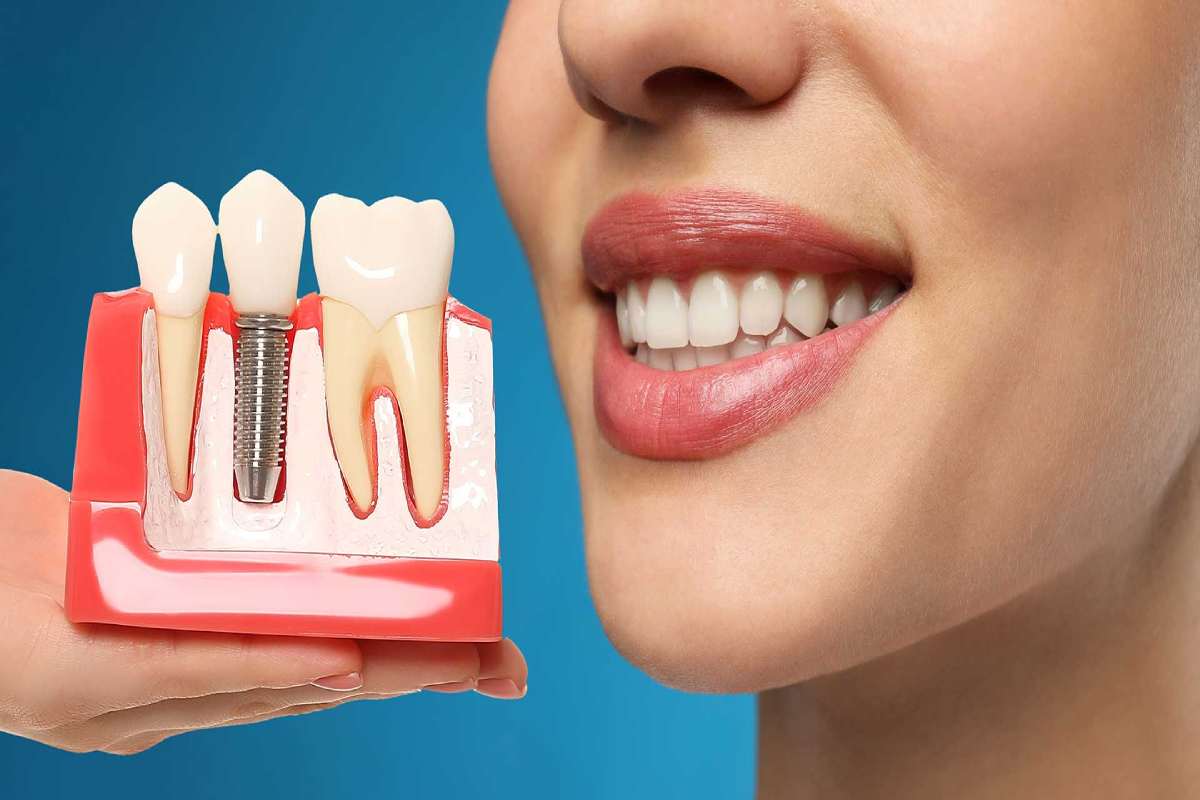
A dental implant is a titanium (or zirconia) post placed into the jawbone to replace a missing tooth root. Through osseointegration, bone fuses to the implant, creating a stable anchor for a crown.
Three parts:
- Implant body (in bone)
- Abutment (connector)
- Crown (visible tooth)
Important distinction: Most “implant failures” involve gum inflammation or crown replacement—not the titanium screw itself. Organizations like the American Academy of Implant Dentistry define implants as root replacements that support prosthetic teeth. That structural definition matters.
Choosing the Right Specialist
Specialist selection is often overlooked—and critically important. For high-risk patients (bone loss, smokers, diabetics), specialist involvement improves predictability.
| Specialist | Best For | Training Depth | When to Choose |
| Periodontist | Gum and bone management | Advanced surgical | Gum disease history |
| Oral Surgeon | Complex surgical cases | Surgical residency | Bone loss, nerve proximity |
| Prosthodontist | Complex restorative | Advanced prosthetic | Full-mouth or aesthetic cases |
| General Dentist | Routine cases | Varies | Simple single-tooth replacement |
Good vs. Bad Candidates
Ideal candidates:
- Healthy gums
- Adequate bone volume
- Non-smoker or reduced smoking
- Good oral hygiene
- Controlled medical conditions
Higher-risk profiles:
- Advanced periodontal disease
- Heavy smoking
- Poor diabetes control
- Severe jawbone resorption
The European Federation of Periodontology emphasizes that prior gum disease increases peri-implantitis risk. Implants succeed in healthy environments.
Types of Dental Implant Treatments
- Single-Tooth Implant
- Replaces one missing tooth
- Preserves adjacent teeth
- Most common case
- Implant-Supported Bridge
- Replaces multiple missing teeth
- Fewer implants than individual replacements
- All-on-4 / Full Arch
- 4–6 implants support full row
- Often used for complete tooth loss
- Immediate vs Delayed Loading
- Immediate: crown placed quickly (selected cases)
- Delayed: traditional healing period 3–6 months
Treatment Comparison Table
| Treatment | Best For | Surgery Level | Maintenance Demand |
| Single Implant | One missing tooth | Moderate | Moderate |
| Implant Bridge | 2–3 teeth missing | Moderate | Moderate |
| All-on-4 | Full arch loss | Higher | High |
| Denture Alternative | Budget cases | None | Daily removal |
Procedure Timeline
- Consultation + 3D CBCT imaging
- Surgical implant placement
- Healing (3–6 months typical)
- Abutment and crown placement
Bone grafting may be required for insufficient bone.
Success Rates
Studies in journals like Clinical Oral Implants Research show high 10-year survival in healthy patients (~95%). Smokers face higher complications; prior gum disease raises inflammation risk. Crowns may need replacement before the implant.
Trend: High stability first 5 years; gradual 5-10% decline over 10–15 years in healthy cases.
Risks & Complications
Biological: Peri-implant mucositis (reversible); peri-implantitis (bone loss).
Mechanical: Crown fracture; screw loosening.
Surgical: Nerve irritation (lower jaw); sinus issues (upper jaw).
The American Academy of Periodontology stresses professional maintenance for prevention. Tissue health determines outcomes.
Cost Breakdown
Understand layers, not one number.
Components: Implant fixture; surgery; abutment/crown; bone graft; imaging; ongoing maintenance.
Breakdown: 40–50% surgery; 30–40% crown; 10–20% diagnostics. Abroad: Check sterilization and brands.
| Country | Single Implant | Full Arch | Notes |
| USA | $3,000–$5,000 | $20K+ | FDA-regulated |
| UK | £2,000–£4,000 | High | Private care |
| Australia | High | High | Specialist-driven |
| India | ₹30K–₹1.5L | Moderate | ITI/ADA brands; tourism |
| Turkey | Lower | Moderate | Verify credentials |
Implants vs. Alternatives
| Factor | Implant | Bridge | Denture |
| Bone Preservation | Yes | No | No |
| Adjacent Teeth | None | Reshaped | None |
| Longevity | Long | Moderate | Variable |
| Maintenance | Hygiene-critical | Moderate | Daily |
| Upfront Cost | Higher | Moderate | Lower |
Implants preserve bone if adjacent teeth are healthy.
10-Year Scenario
Healthy 45-year-old missing molar: Implant avoids tooth damage but needs hygiene; bridge is faster but shorter-lived.
Patient Feedback Trends
- Surgery less painful than expected
- Swelling manageable
- Cost surprises common
- Satisfaction high with maintenance; frustration from hygiene lapses
2022–2025 Trends
- Digital guided surgery
- 3D planning
- Zirconia options
- AI-assisted precision
Are They Worth It?
Yes if stable health, hygiene discipline, bone preservation needed. No for active gum disease, heavy smoking, low commitment.
Final Thoughts
Implants are predictable with biology, skill, and maintenance. Hardware is strong; tissue decides longevity. Disclaimer: Not medical advice—consult a licensed professional. Reflects consensus from AAID and AAP.