

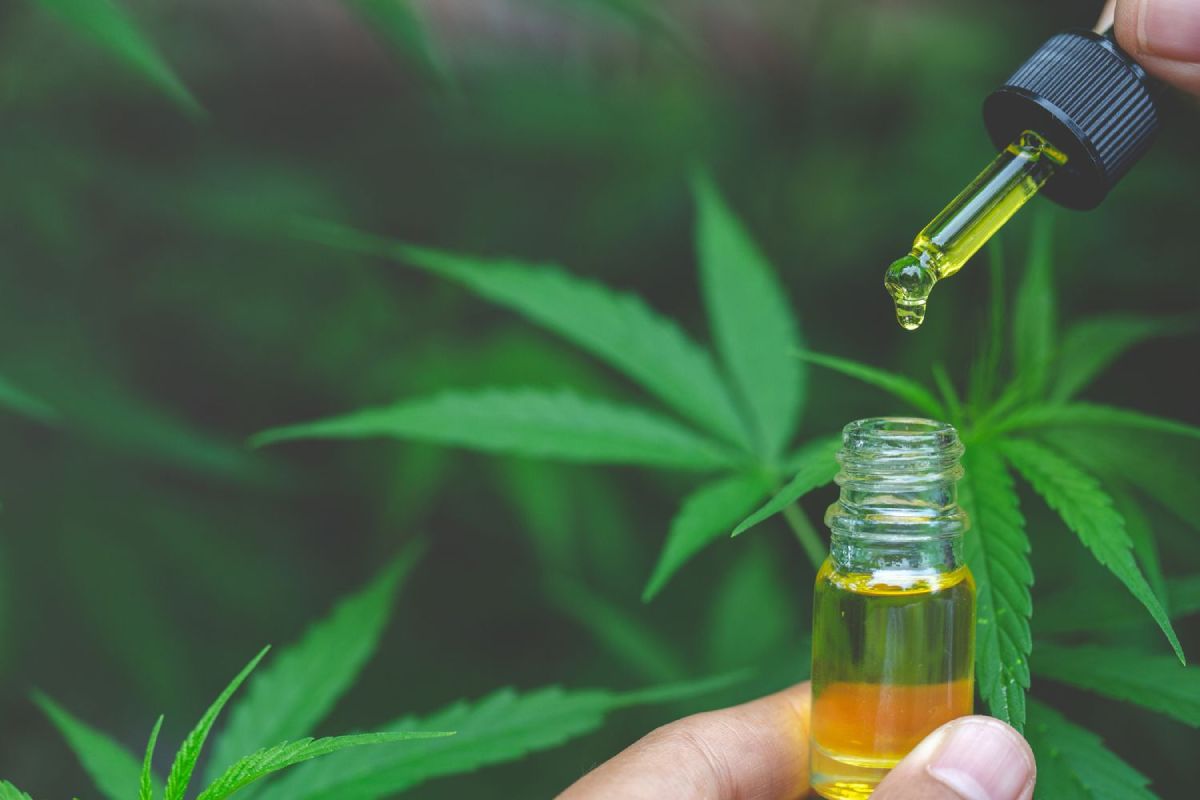
CBD can improve your well-being not by curing conditions, but by supporting balance in stress, sleep, pain perception, and emotional regulation when used realistically and responsibly.
The difference is important, as the biggest issue in the content of CBD nowadays is polarization. On the one hand, there is the sale of CBD as a magic potion against all diseases, including anxiety and chronic disease. The other throws it off as snake oil. The two perspectives bewilder and exasperate the readers.
The truth is more basic and effective: CBD does have an effect on the body which can be measured, however, its impact is delicate, accruing and very personal. CBD can be a wellness tool that is a practical use rather than a disappointment when you know what it can and cannot do.
Key Takeaways
- CBD supports balance; it does not “fix” health problems.
- Benefits are gradual, subtle, and dose-dependent.
- Evidence is strongest for stress modulation and physical comfort.
- Sleep benefits are indirect, not sedative.
- Product quality and expectations matter more than trends.
What CBD Is — and Why It’s Not THC
CBD (cannabidiol) is a non-intoxicating substance that is present in hemp plants and cannabis plants. It does not affect cognition, induce a high, and cause euphoria, unlike THC.
The relevance of CBD to well-being has to do with its association with the endocannabinoid system (ECS): a network of regulations that participates in:
- Stress response
- Sleep–wake cycles
- Pain perception
- Immune balance
- Emotional regulation
Here’s the key nuance many articles skip:
CBD works indirectly. It does not force change. It nudges systems that are already out of balance toward regulation. That indirect action explains both its potential and its limitations.
Official organizations such as the National Institutes of Health (NIH), and World Health Organization (WHO), accept CBD as a biologically active and usually well tolerated compound – but not a panacea.
How CBD May Improve Your Well-Being
Stress and Emotional Regulation
Here, CBD demonstrates the greatest wellness potential.
CBD seems to regulate serotonin receptors and stress-response mechanisms, which could contribute to the adaptation of the body to stress instead of the suppression of emotion.
What people typically notice:
- Reduced stress reactivity
- A calmer baseline under pressure
- Emotional steadiness without sedation
Illustrative scenario:
A high-stress professional doesn’t feel “drugged” after taking CBD. Instead, they report fewer stress spikes during the day and faster emotional recovery after tense situations.
This aligns with research summarized by institutions like Harvard Medical School, which notes CBD’s potential role in stress modulation.
Sleep Quality (Not Sleep Sedation)
CBD is often misunderstood as a sleep aid. It is not a sleeping pill.
CBD may improve sleep indirectly by addressing factors that disrupt it:
- Stress and mental overactivation
- Physical discomfort
- Circadian imbalance
What it may help with:
- Falling asleep more easily
- Fewer stress-related night awakenings
What it does not do:
- Knock you out
- Replace prescription sleep medication
This distinction matters. Sedatives force sleep. CBD supports conditions that allow sleep.
Physical Comfort and Recovery
CBD may influence inflammation and pain signaling, which makes it relevant for everyday physical discomfort rather than acute or severe pain.
Common wellness use cases include:
- Post-exercise soreness
- Joint stiffness
- Desk-job muscle tension
Failure pattern to watch:
People expecting CBD to work like a painkiller often feel disappointed. Those using it for baseline comfort over time are more likely to perceive benefits.
The European Medicines Agency (EMA) and similar regulators emphasize this difference between symptom management and disease treatment.
Mental Clarity and Daily Functioning
Unlike THC or sedative supplements, CBD is frequently described as mentally neutral — or even clarity-supporting.
Reported effects include:
- Less mental noise under stress
- Better focus during demanding tasks
- Improved emotional resilience
These effects are subjective but consistent across large user surveys and observational studies.
Evidence Snapshot
| Wellness Area | Evidence Strength |
| Stress modulation | Strong |
| Physical comfort | Moderate |
| Sleep support | Emerging |
| Cognitive enhancement | Limited |
What CBD Does Not Do (Critical for Trust)
CBD does not:
- Cure diseases
- Replace prescription medication
- Work instantly for everyone
- Eliminate anxiety or pain permanently
Being explicit about limitations is not a weakness. It’s what makes CBD guidance trustworthy — and safer for users.
CBD Product Types and Use Cases
| Product Type | Best For | Pros | Cons |
| Oils/Tinctures | Daily balance | Flexible dosing | Taste |
| Capsules | Consistency | Easy routine | Slower onset |
| Gummies | Beginners | Palatable | Added sugar |
| Topicals | Local relief | Targeted use | No systemic effect |
| Vapes | Rapid effect | Fast onset | Not beginner-friendly |
POV reinforcement:
The “best” product isn’t the strongest one. It’s the one that fits your routine and supports consistency.
Dosage, Safety, and Quality Signals
There is no universal CBD dose.
Beginner framework:
- Start with 5–10 mg per day
- Increase slowly every 3–5 days
- Track sleep, stress, and comfort
Quality checklist:
- Third-party lab reports (COA)
- Clearly stated CBD content in milligrams
- Transparent sourcing and manufacturing
CBD may interact with medications metabolized by liver enzymes (CYP450). Institutions like the FDA consistently advise caution and professional consultation when combining CBD with prescription drugs.
Pricing and Regional Snapshot
| Region | Typical Monthly Cost |
| US | $40–$90 |
| UK | £35–£80 |
| India | ₹2,000–₹6,000 |
| EU | €35–€85 |
Pricing varies widely based on potency, formulation, and quality standards. Cheaper is not always better — but expensive doesn’t guarantee effectiveness either.
CBD vs Common Wellness Alternatives
| Option | Best For | Limitation |
| CBD | Holistic balance | Variable response |
| Ashwagandha | Stress hormones | Sedation for some |
| Melatonin | Sleep onset | Dependency risk |
| NSAIDs | Pain relief | Long-term side effects |
| Mindfulness | Mental well-being | Requires consistency |
Is CBD Right for Your Well-Being Goals?
CBD tends to work best for people who:
- Want subtle, cumulative support
- Prefer non-intoxicating options
- Are willing to experiment responsibly
It may not be ideal if you:
- Expect instant, dramatic results
- Have unmanaged medical conditions
- Are replacing prescribed treatment without guidance
Final Take
CBD may lead to a better state of mind but not by correcting things, but by assisting the body to balance the systems constantly disturbed by modern life. It has the virtue of being balanced rather than being hyped.
CBD can be less of a trend and more of a tool when expectations are realistic and use conscious.