

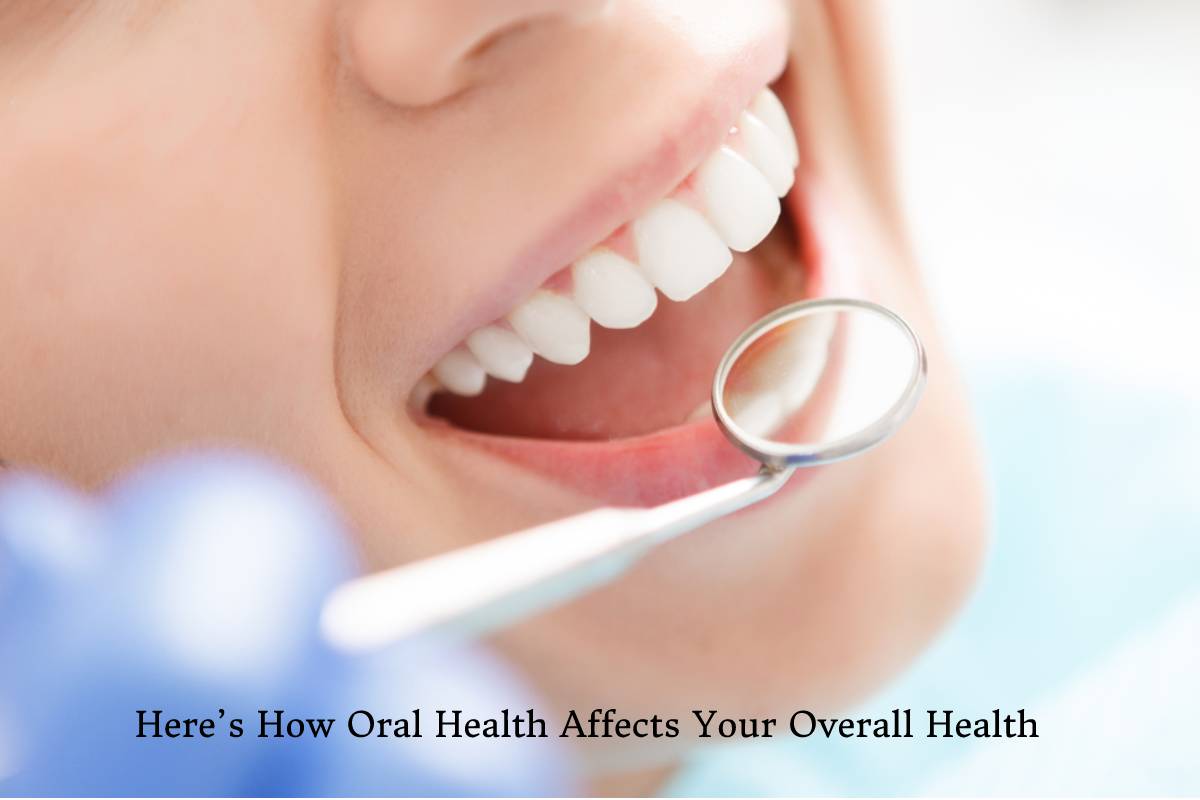
“You are what you eat” takes on a deeper meaning when considering the role oral health plays in overall physical well-being. The mouth is not an isolated system; it is a gateway to the rest of the body. Increasing scientific evidence suggests that oral health and general health are closely interconnected, with poor dental hygiene potentially influencing systemic conditions.
While many people are aware that excessive sugar intake, acidic foods, and inadequate brushing or flossing can lead to cavities and gum disease, fewer realize that these oral issues may also be associated with serious health outcomes beyond the mouth.
The Connection Between Oral Health and Overall Health
Good oral health involves more than having clean teeth or fresh breath. The mouth contains hundreds of species of bacteria, many of which are harmless when properly managed through regular oral hygiene. However, inadequate dental care can allow harmful bacteria to multiply, increasing inflammation and infection risk.
Research has shown that chronic oral infections, particularly gum disease, are associated with inflammatory responses that may affect other parts of the body. Although oral health problems do not directly cause systemic diseases in all cases, consistent evidence indicates a meaningful relationship between oral conditions and overall health outcomes.
Common Oral Health Issues
Oral health problems are widespread and affect people of all ages. Some of the most common conditions include:
Tooth Decay (Dental Cavities)
Dental cavities are among the most prevalent chronic conditions worldwide. While a single cavity is unlikely to lead to broader health concerns, untreated and recurrent decay may contribute to long-term inflammation and infection.
Gum Disease (Periodontal Disease)
Periodontal disease is a leading cause of tooth loss in adults. In its advanced stages, it involves chronic inflammation and bacterial infection of the gum tissue and supporting bone. Studies have linked periodontal disease to several systemic health conditions.
Oral Cancer
Oral cancer is a serious and potentially life-altering disease. Although survival rates have improved with early detection, treatment often requires aggressive medical intervention and can significantly impact quality of life.
Health Conditions Associated With Poor Oral Health
Poor oral health has been associated with a number of conditions affecting other systems of the body. These associations often develop gradually, sometimes after years of untreated oral disease.
Cardiovascular Disease
Studies suggest that bacteria associated with gum disease may enter the bloodstream, contributing to inflammation that increases the risk of heart disease, stroke, and other cardiovascular events.
Heart Inflammation
Certain oral bacteria have been linked to infections of the heart lining and valves, such as endocarditis. These conditions can be life-threatening and require immediate medical attention.
Pregnancy Complications
Gum disease has been associated with adverse pregnancy outcomes, including preterm birth and low birth weight. Maintaining good oral health during pregnancy is considered an important component of prenatal care.
Respiratory Infections
Oral bacteria can be inhaled into the lungs, particularly in older adults or individuals with compromised immune systems, potentially leading to respiratory infections such as pneumonia.
Health Conditions That Can Affect Oral Health
The relationship between oral health and overall health is bidirectional. In many cases, systemic conditions can increase the risk of oral disease, which may then worsen existing health problems.
Chronic conditions commonly associated with poor oral health include Type 2 diabetes, osteoporosis, autoimmune disorders, HIV/AIDS, and age-related cognitive conditions such as Alzheimer’s disease. These illnesses may reduce immune response, affect bone density, or limit an individual’s ability to maintain proper oral hygiene.
The Role of Daily Oral Hygiene in Long-Term Health
Regular brushing and flossing remain the foundation of good oral health. Brushing twice daily using proper technique and flossing several times a week help control plaque, reduce inflammation, and prevent infection.
While oral hygiene alone cannot prevent or treat systemic diseases, maintaining healthy teeth and gums supports overall well-being and may reduce the risk of complications associated with chronic inflammation. Long-term studies have shown that individuals who maintain consistent oral care routines tend to experience better oral and general health outcomes.
Sustainable Choices in Oral Care
As awareness of environmental impact grows, some individuals choose sustainable dental care options, such as biodegradable toothbrushes or low-waste floss alternatives. While sustainability choices primarily benefit the environment, they can complement a consistent oral hygiene routine when used correctly.
Summary
Oral health is an essential component of overall health, influencing more than just the condition of teeth and gums. Scientific research increasingly supports the connection between oral health and systemic conditions, highlighting the importance of preventive dental care.
By maintaining proper oral hygiene, addressing dental issues early, and understanding the broader health implications of oral disease, individuals can take meaningful steps toward improving both their oral and overall well-being. Small daily habits, practiced consistently, can have lasting health benefits over a lifetime.