

Introduction
Menopause affects women differently, influencing physical, mental, and emotional health in unique ways. Even when women educate themselves about menopause, the symptoms they experience often vary in intensity, frequency, and impact. Not all hot flashes feel the same, and not all emotional shifts are alike. Attempting to predict every symptom may be unrealistic; however, preparing to manage symptoms as they arise is essential for maintaining long-term health and quality of life.
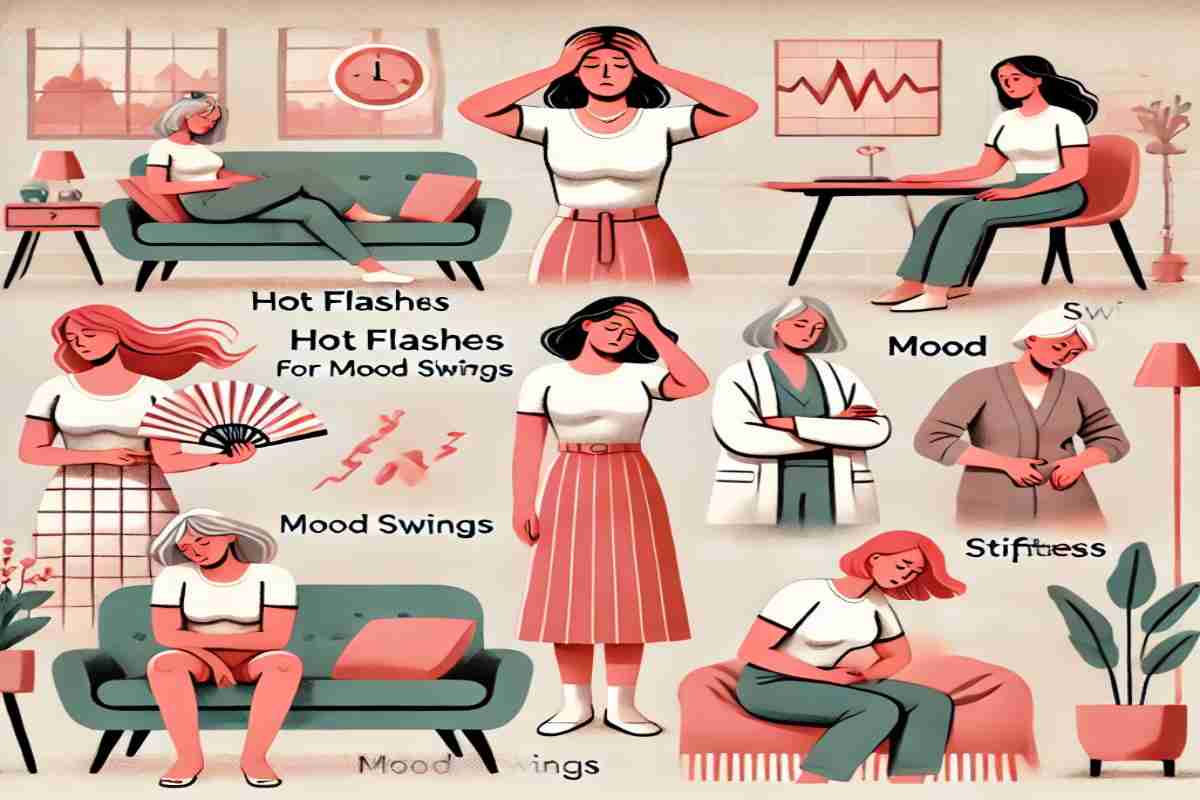
There are many potential symptoms of menopause. They can affect your physical, mental, and emotional health in a variety of ways. Even if you do your homework about menopause and its symptoms, what you experience will be unique. Not all hot flashes are alike. Not all mood swings are either.
Trying to expect the unexpected seems counterintuitive. Unexpected symptoms, by nature, may be impossible to anticipate. How you handle them when they occur is what’s important. Here are a few ways you can.
Crush Chronic UTIs
If you ever experienced a urinary tract infection, you know how painful, uncomfortable, and utterly inconvenient it is. Estrogen, the hormonal hallmark of women’s health, is one element that keeps the urinary tract healthy. Lose the estrogen and you lose that protection.
UTIs during menopause may not be a once-in-awhile occurrence. They can become chronic, and that means you’re constantly dealing with their unpleasant symptoms. As is true with any chronic condition, this can cause anxiety, depression, embarrassment, and even more serious health problems.
If chronic UTI shows up on your menopausal doorstep, try adding a UTI supplement to your daily regimen. Supplements are designed to keep bad bacteria from clinging to the bladder wall. That helps you flush harmful bacteria out of your system every time you urinate. And that can help keep you on the right track despite the estrogen loss.
Cool the Burn
Hot flashes may be the most infamous of all menopause symptoms. Turns out that estrogen is a major player in regulating body temperature. And when it’s gone, other hormones rush to the hypothalamus in its stead, ironically signaling the brain to raise the heat to lower it.
Hot flashes by day are night sweats by night. The latter usually involves more rampant sweating but even worse, they disrupt sleep. Those barriers to quality sleep lead to all kinds of symptoms, including depression, anxiety, and increased risk of cardiac problems, diabetes, and obesity.
Layering in breathable and moisture-wicking fabrics is a good strategy here. Once an episode passes, you could experience chills, so you’ll want to put some clothing back on. To help at night, layer the bed in cotton, silks, stain, and linen. And whatever time of day you heat up, have a fan at the ready to cool yourself down.
Change Your Diet
That old saying that you are what you eat is true, especially when what you are is menopausal. That’s why what you eat and drink can help you tackle more than one symptom you might encounter during this stage in life. Hot flashes, weight gain, sleep disturbances, and skin and vaginal dryness might all benefit from conscientious consumption.
Avoiding spicy, sugary, and high-fat foods at night could reduce the frequency and severity of night sweats. Adhering to a diet of whole grains, fresh vegetables and fruits, legumes, and leafy greens can help reduce the visceral fat that accumulates around the menopausal middle. Ramping up water consumption, along with a moisturizing regimen, can help reduce flaky skin, wrinkles, fine lines, and vaginal dryness.
No matter who you are, your body’s ability to process alcohol decreases with age, so cut back or avoid it altogether. Your sleep quality and depression might improve. Plus, you’ll be developing habits that contribute to overall healthy aging.
Exercise Differently
The aforementioned visceral fat around your middle is commonly referred to as “menopause belly.” Once it’s there, it can be extremely difficult to get rid of it. But it’s not impossible, especially if you understand some basic science.
Women and men both lose muscle mass as they age, which invites the formation of fat. For women, it’s often worse because their loss of estrogen is replaced by testosterone production, which deposits that fat in the midsection. Getting rid of it requires a different approach to an exercise routine that might have served you well for decades.
Cardio is still recommended for overall health, but during menopause, muscle-building exercise becomes as important. Incorporate high-intensity workouts into your routine, with plenty of weightlifting and calisthenics like pushups, sit-ups and squats. That’s what will attack the belly and boost that seemingly elusive metabolism.
The Role of Social Support
Social and emotional support plays a vital role in navigating menopause. Support groups, peer networks, and open discussions with healthcare providers allow women to share experiences, coping strategies, and evidence-based information. These connections foster a sense of validation and reduce feelings of isolation.
Engaging with others who are experiencing or have completed menopause can provide reassurance and practical guidance. Community-based support, whether in person or online, contributes to emotional resilience and improved mental well-being.
Beyond Hot Flashes: 3 Truly Unexpected Menopause Symptoms
While hot flashes dominate menopause discussions, many women experience symptoms they never associate with hormonal change.
1. Hormonal Migraines
Fluctuating estrogen levels can trigger new or worsening migraines, even in women without a prior history. These headaches are often resistant to standard pain relievers and may require hormonal or neurological evaluation.
2. Changes in Body Odor
Shifts in sweat composition and skin bacteria can alter natural body odor. This is a normal but often surprising symptom tied to hormonal and metabolic changes.
3. Gum and Oral Health Issues
Estrogen supports oral tissue integrity. Its decline can lead to gum inflammation, bleeding, dry mouth, and increased risk of periodontal disease.
These symptoms highlight the far-reaching effects of menopause beyond reproductive health.
When to See a Doctor During Menopause
While many menopause symptoms can be managed with lifestyle changes, some require professional medical evaluation.
| Symptom | Why It Matters | Recommended Action |
|---|---|---|
| Severe or persistent depression | May indicate clinical depression | Consult a healthcare provider |
| Heavy or prolonged bleeding | Not normal after perimenopause | Seek immediate gynecological care |
| Recurrent UTIs with fever | Risk of kidney infection | Medical evaluation required |
| Debilitating hot flashes | May require hormonal therapy | Discuss treatment options |
| Sudden weight loss or fatigue | Possible thyroid or metabolic issue | Blood work recommended |
Prompt medical care ensures serious conditions are not overlooked.
Expect the Unexpected—and Be Ready
Every woman’s menopause experience is unique. While you cannot predict every symptom, you can prepare your body and mind to respond effectively. With evidence-based strategies, community support, and proactive healthcare, menopause can become a phase of resilience, strength, and renewed self-care.
Conclusion
Menopause is a complex and individualized transition that extends beyond reproductive health. While it is impossible to anticipate every symptom, understanding the physiological changes that occur allows women to respond effectively when challenges arise. Through informed lifestyle choices, supportive communities, and proactive medical care, menopause can become a period of adaptation, resilience, and renewed focus on long-term well-being.