

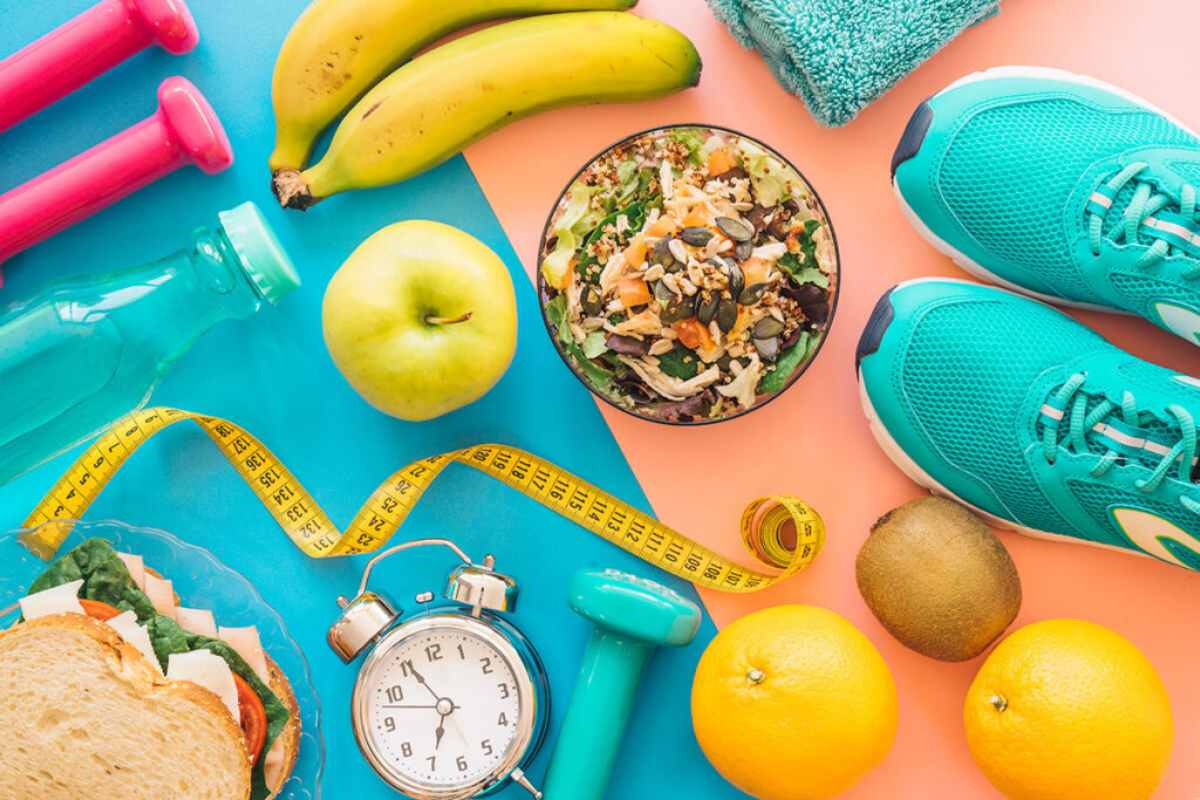
It is not a perfect lifestyle but a high-impact habits that accumulate over time in both physical and mental health, that make a healthy lifestyle.
It is not the issue of absence of information. The majority of the population are already aware that they need to eat healthier, exercise more, and have good sleep. The real issue is overload. Online health advice puts all habits as being equally important, and long checklists that are difficult to keep are pushed. This is frustrating, erratic and ultimately burnout.
The answer is more direct and efficient: focus on the small number of habits that become the basis of the majority of health outcomes, and shape the rest of it around them. This is the most significant answer to what habits make a healthy lifestyle important, and it is better to start with the first and the most obvious ones: sleep, exercise, the quality of nutrition, stress management, and interpersonal wellness.
Key Takeaways
- Not all healthy habits have the same impact.
- A small set of core habits drives most long-term health outcomes.
- Consistency matters more than intensity or perfection.
- Many popular “healthy habits” are supportive, not foundational.
- Sustainable systems beat short-term motivation every time.
Why Most Healthy Lifestyle Advice Fails
Most top-ranking articles follow the same pattern: a long list of habits with no hierarchy. Drinking water is treated as equally important as sleeping well. Meditation apps are presented as critical as physical activity.
The failure pattern looks like this:
- People try to change too many behaviours at once.
- Progress feels exhausting instead of empowering.
- One missed day feels like failure, so they quit entirely.
This, in terms of behavioural science, disregards the way habits are formed. Studies continuously mentioned by organisations like the World Health Organisation, and the Harvard T.H. Chan School of Public Health indicate that health risks caused by lifestyle fall into clusters. One high-impact habit can be fixed, and a number of others will automatically become better.
The 5 Most Important Habits for a Healthy Lifestyle
These habits are ranked by overall impact and spillover effect, not popularity.
| Core Habit | Why It Matters | What It Influences |
| Quality sleep | Biological foundation | Energy, immunity, appetite, mood |
| Regular movement | Disease prevention | Heart health, metabolism, mental health |
| Nutrient-dense eating | System regulation | Inflammation, gut health, energy |
| Stress management | Risk reduction | Hormones, sleep, mental resilience |
| Social connection | Longevity factor | Mental health, motivation, purpose |
1. Quality Sleep: The Non-Negotiable Foundation
Fix sleep, if you can repair nothing. Sleep deprivation interferes with hunger hormones, causes stress, lowers immune system, and decreases impulse control. It is in that way that sleep deprivation tends to cause overeating, low motivation and inability to control feelings.
What matters most:
- Consistent sleep and wake times
- A dark, quiet sleeping environment
- Reducing caffeine and screens late in the day
Institutions like the National Institutes of Health (NIH) consistently highlight sleep as a primary driver of long-term health, not a passive recovery tool.
2. Regular Movement
Movement has to do not with intensity, but with frequency. Most individuals are failing because they are trying to get ideal workouts as opposed to maintaining an activity.
Illustrative comparison:
- Person A walks 30 minutes daily on most of the days.
- Person B exercises once a week but remains inactive the rest of the time.
In the long term, Person A is likely to experience improved cardiovascular health, weight control, and mental health. This is consistent with the recommendations of the Centres for Disease Control and Prevention (CDC) that focuses on moderate exercise rather than the occasional intensity exercise.
3. Nutrient-Dense, Simple Eating
Healthy eating is not about following a named diet. It’s about food quality and consistency.
| Mostly Ultra-Processed Foods | Mostly Whole Foods |
| Energy spikes and crashes | Stable energy |
| Easy to overeat | Better satiety |
| Low micronutrient density | Nutrient-rich |
You don’t need perfection. You need fewer ultra-processed foods most of the time.
4. Stress Management Is a Health Skill, Not a Luxury
Stress lasting over time leads to inflammation, poor sleep patterns, and the deformation of the immune system. Pressure is a factor that should not be ignored in the attempt to eat clean or work out more.
Practical stress tools:
- Short daily walks without a phone
- Breathing pauses between tasks
- Clear boundaries around work and rest
The American Psychological Association regularly links unmanaged stress to both mental and physical health risks.
5. Social Connection and Purpose
One of the health habits that are not given much attention is social relationships. The positive correlation is often related to long-term population studies and increased life expectancy and reduced risk of disease.
This does not mean that they must constantly socialize. It even necessitates frequent, substantial contact, even in minimal amounts.
Secondary Habits That Support (But Don’t Replace) the Core
These habits help—but they don’t compensate for missing the fundamentals.
| Supportive Habit | Role |
| Hydration | Supports digestion and energy |
| Sunlight exposure | Helps regulate sleep cycles |
| Alcohol moderation | Protects sleep and liver health |
| Mobility work | Reduces pain and injury risk |
If your sleep and movement are poor, optimizing these won’t fix the core problem.
Daily vs Weekly vs Occasional Habits
A sustainable lifestyle separates habits by frequency:
- Daily: sleep, basic movement, regular meals
- Weekly: strength training, social activities
- Occasional: resets, challenges, deep clean-ups
This structure reduces guilt and improves adherence.
Common Beginner Mistakes That Block Progress
- Trying to overhaul everything at once
- Copying influencer routines that don’t match real life
- Ignoring recovery and mental load
These mistakes don’t indicate lack of discipline—they indicate poor prioritization.
How to Build Healthy Habits That Actually Stick
What works long term:
- Start with the minimum effective dose
- Attach new habits to existing routines
- Design your environment to make healthy choices easier
Motivation fades. Systems don’t.
A Simple 30-Day Healthy Lifestyle Starter Framework
- Week 1: Fix sleep timing
- Week 2: Add daily walking
- Week 3: Improve food quality (one meal at a time)
- Week 4: Add one stress-reduction ritual
This staged approach lowers friction and builds confidence.
Healthy Lifestyle Myths That Need to Go
- “Healthy living is expensive.”
- “Missing one day ruins progress.”
- “You need extreme discipline to be healthy.”
None of these is supported by long-term evidence.
Final Takeaway
The glamorous habits of healthy living are not the most crucial ones. They are straightforward, recurrent and profoundly moving. Get sleep, exercise, eat, mostly real, cope with stress, and be sociable. All other optimisation is optional.
One does not construct health in a weekend test. It is built without any commotion, through a series of habits that grow over time.