

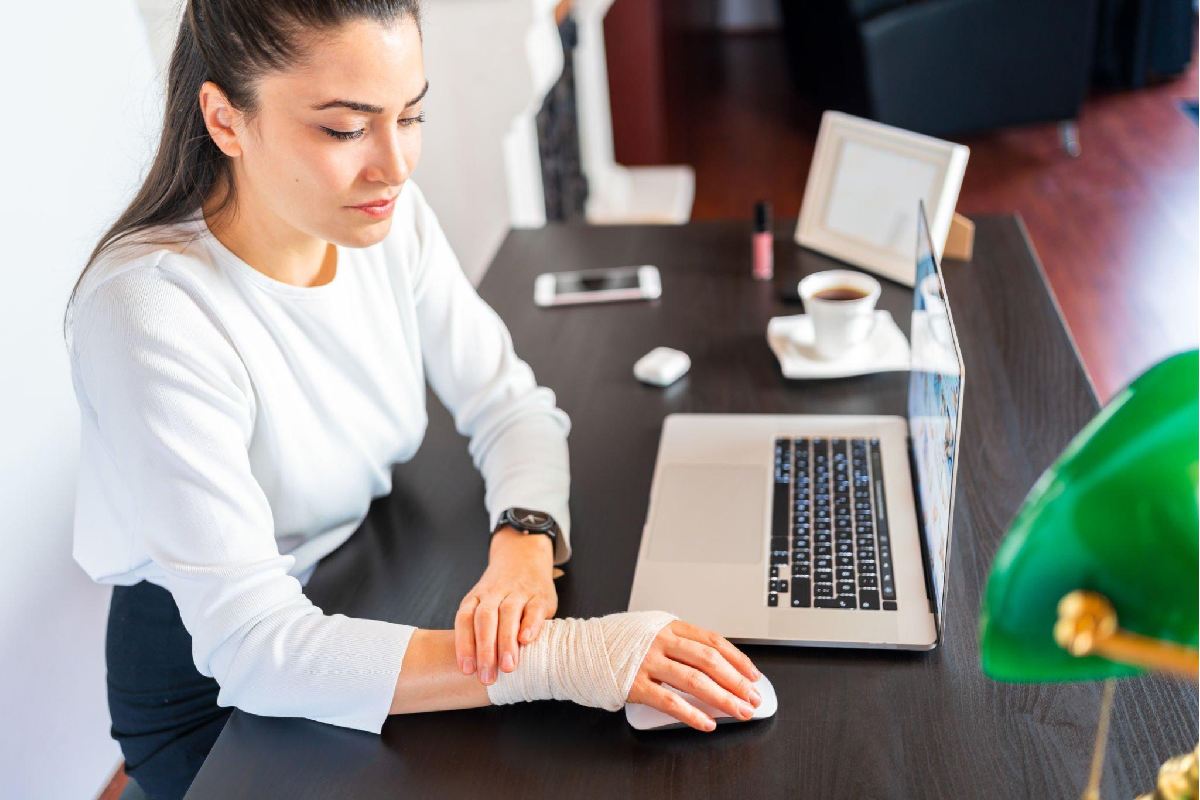
Major injury recovery is not simply healing damaged tissue — it is a staged rebuilding of physical capacity, independence, and resilience across the entire body and mind.
A major injury can instantly divide life into “before” and “after.” One day you are functioning independently; the next, you may need help standing, bathing, or even sleeping comfortably. Doctors repair bones, ligaments, or wounds — but they do not rebuild your daily life for you. That responsibility falls partly on rehabilitation and largely on structured self-care.
Taking care of yourself after a major injury means managing recovery in deliberate phases — protect early healing, restore safe movement, rebuild strength and function, support nutrition and sleep, stabilize mental health, and prevent long-term decline. If you skip any layer, recovery becomes fragile.
This guide explains how to do that step by step — in plain language — while integrating principles commonly reflected in rehabilitation frameworks from bodies such as the World Health Organization and clinical rehabilitation standards used by the American Physical Therapy Association.
Phase 1: Protect and Stabilize Days to Weeks
In the early phase, your body is inflamed and vulnerable. The main goal is biological protection. This is when swelling, pain, and fatigue peak. Rest is important — but total immobility is not.
During this phase, think of your body as a construction site. Too much disturbance can damage fresh repairs. But abandoning the site completely leads to deterioration.
Core Objectives in Phase 1
| Priority | What It Means | Why It Matters |
| Immobilize correctly | Use casts, braces, slings as prescribed | Prevents structural failure |
| Control swelling | Elevation + cold therapy if advised | Reduces pressure and pain |
| Protect wounds | Clean, dry, monitored | Prevents infection |
| Take medication properly | Follow dosage schedule | Controls inflammation safely |
| Gentle approved movement | Move unaffected areas | Maintains circulation |
The Hidden Risk: Over-Resting
Many patients assume complete stillness equals faster healing. In reality, muscle loss begins quickly.
| Consequence of Over-Resting | Long-Term Impact |
| Muscle atrophy | Slower rehab later |
| Joint stiffness | Reduced range of motion |
| Poor circulation | Clot risk |
| Loss of confidence | Fear of movement |
Even during strict immobilization of one limb, the rest of the body should remain as active as safely possible.
Preventing Complications During Immobilization
Major injuries don’t just affect the injured area — they stress your entire system.
The National Institutes of Health and rehabilitation literature consistently warn about secondary complications during prolonged bed rest.
Common Risks and Prevention
| Risk | Early Signs | Prevention Strategy |
| Blood clots | Swelling, warmth in limb | Movement, hydration, compression if prescribed |
| Pressure sores | Redness on skin | Frequent position changes |
| Lung issues | Shortness of breath | Deep breathing exercises |
| Constipation | Discomfort, bloating | Fiber + fluids |
| Depression | Low mood | Social engagement |
Preventive habits during this stage often determine whether recovery stays smooth or becomes medically complicated.
Phase 2: Restore Movement Safely Weeks to Months
Once tissues stabilize, your priority shifts from protection to restoration.
This is the phase where many people make mistakes:
- Some avoid movement out of fear.
- Others rush too aggressively.
Rehabilitation science shows that controlled movement stimulates circulation, strengthens tissue alignment, and retrains nerves.
Movement Progression Framework
| Stage | Description | Example |
| Passive | Therapist moves limb | Assisted knee bending |
| Active-assisted | You help movement | Using other hand to lift arm |
| Active | Independent movement | Controlled squats |
| Strength | Resistance added | Light weights or bands |
| Functional | Real-world tasks | Stair climbing |
This structured progression prevents overload while encouraging adaptation.
Understanding Pain During Rehab
Pain is not always a stop signal — but it must be interpreted correctly.
| Pain Pattern | Interpretation | Response |
| Mild soreness | Adaptation | Continue |
| Moderate discomfort resolving in 24h | Acceptable strain | Adjust intensity |
| Sharp or worsening pain | Potential damage | Stop and consult |
Fear-based avoidance can prolong disability. Blind pushing can cause setbacks. Balance is everything.
Nutrition: The Fuel for Reconstruction
Healing increases metabolic demand. Many people unintentionally under-eat after injury.
Your body needs building materials.
Key Nutrients for Recovery
| Nutrient | Role | Food Sources |
| Protein | Tissue repair | Eggs, legumes, dairy, fish |
| Vitamin C | Collagen formation | Citrus, berries |
| Vitamin D | Bone healing | Sunlight, fortified foods |
| Calcium | Structural support | Dairy, greens |
| Zinc | Immune function | Nuts, seeds |
| Omega-3 | Inflammation regulation | Fatty fish |
Common Recovery Nutrition Errors
| Mistake | Why It Slows Recovery |
| Skipping meals | Reduces protein availability |
| Low protein intake | Increases muscle loss |
| Poor hydration | Impairs circulation |
| Crash dieting | Compromises healing |
Think of food as part of treatment — not optional.
Sleep and Hormonal Repair
Deep sleep drives tissue repair.
Growth hormone, immune regulation, and neural recovery peak during uninterrupted sleep cycles.
Sleep Optimization Checklist
| Problem | Adjustment |
| Pain at night | Time medication properly |
| Uncomfortable positioning | Use supportive pillows |
| Irregular schedule | Fixed sleep time |
| Screen exposure | Reduce before bed |
Persistent fatigue does not mean laziness — it means your body is rebuilding.
Mental and Emotional Recovery
Major injury affects identity. You may feel dependent, frustrated, or anxious.
This is normal — but ignoring it can slow healing.
Stress hormones like cortisol can interfere with immune function and increase pain sensitivity.
Psychological Risk vs Protective Factors
| Risk Factor | Protective Strategy |
| Isolation | Regular contact with friends |
| Fear of reinjury | Gradual exposure to activity |
| Loss of purpose | Small daily goals |
| Negative thinking | Cognitive therapy |
Mental health support is not weakness — it is biological optimization.
Returning to Work and Daily Function
Pain improvement is not equal to readiness.
Functional recovery depends on coordination, strength, endurance, and confidence.
Activity Reintegration
| Activity | Risk If Too Early | Safer Approach |
| Driving | Slow reaction | Resume when cleared |
| Heavy lifting | Reinjury | Gradual load increase |
| Sports | Tissue overload | Sport-specific rehab |
| Desk work | Posture strain | Ergonomic setup |
Return gradually. Sudden full return often causes relapse.
Long-Term Consequences and Prevention
Some injuries permanently change biomechanics. Without maintenance, new problems emerge.
Possible Long-Term Effects
| Condition | Why It Happens |
| Post-traumatic arthritis | Joint surface damage |
| Chronic pain | Nerve sensitization |
| Muscle imbalance | Compensation patterns |
| Reinjury | Weakness + overconfidence |
Future-Proofing Plan
| Habit | Benefit |
| Regular strength training | Maintains stability |
| Mobility exercises | Preserves range |
| Healthy weight | Reduces joint load |
| Periodic medical review | Detects early decline |
Rehabilitation does not end when therapy ends.
Common Recovery Mistakes
| Mistake | Consequence |
| Total inactivity | Severe deconditioning |
| Overtraining early | Tissue damage |
| Ignoring nutrition | Slow repair |
| Neglecting mental health | Prolonged disability |
| Stopping rehab once pain drops | Functional deficits remain |
Recovery requires consistency — not bursts of motivation.
Warning Signs That Require Medical Attention
| Symptom | Possible Concern |
| Increasing redness/swelling | Infection |
| Fever | Systemic response |
| Sudden limb swelling | Clot risk |
| Chest pain | Emergency |
| New numbness | Nerve issue |
Seek immediate care if these occur.
Caregiver Guidance
Support should promote independence — not create dependency.
Helpful vs Harmful Support
| Helpful | Harmful |
| Encouraging safe movement | Doing everything for patient |
| Monitoring health | Overprotecting |
| Providing emotional support | Dismissing frustration |
Caregivers also need rest and boundaries.
The Functional Reconstruction Model
Recovery follows five layers:
| Phase | Focus |
| Protect | Stabilize tissue |
| Restore | Regain motion |
| Rebuild | Strengthen |
| Reintegrate | Return to life |
| Future-proof | Prevent recurrence |
Final Perspective
A major injury is not just something to “heal from.” It is something to rebuild through.
The people who recover strongest do not simply wait. They participate actively — protecting early healing, restoring motion methodically, fueling the body correctly, stabilizing mental health, and committing to long-term maintenance.