

Introduction
In today’s fast-paced fitness world, pre-workout supplements have become a go-to solution for people looking to boost energy, enhance endurance, and maximize workout performance. Whether you’re a beginner stepping into the gym or an experienced athlete aiming for peak performance, these supplements promise to take your training to the next level.
However, with growing popularity comes confusion—what exactly are pre-workout supplements? Are they safe? Which brands should you trust? And how much do they cost in India and the USA?
This comprehensive guide answers all your questions with detailed explanations, comparisons, and practical insights.
What are Pre-Workout Supplements?
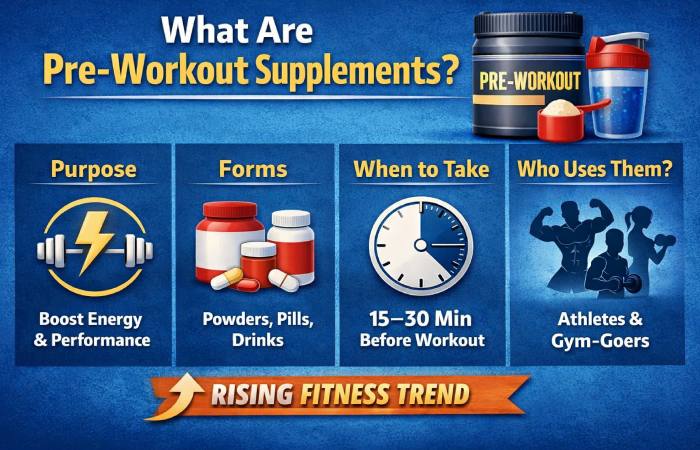
Pre-workout supplements are multi-ingredient dietary formulas designed to be consumed before exercise to improve performance, energy, and focus. They are available in different forms such as powders, capsules, and ready-to-drink liquids.
Most commonly, these supplements are taken in powder form mixed with water around 15–30 minutes before a workout.
Key Features of Pre-Workout Supplements
| Feature | Description |
|---|---|
| Purpose | Boost energy and performance |
| Form | Powder, capsules, drinks |
| Timing | Before workout |
| Users | Athletes, bodybuilders, gym-goers |
| Popularity | Increasing due to fitness trends |
What Is in Pre-Workout Powder?
Pre-workout powders contain a combination of scientifically backed ingredients that enhance physical and mental performance.
Common Ingredients and Their Functions
| Ingredient | Function | Typical Dose |
|---|---|---|
| Caffeine | Increases energy and alertness | 150–300 mg |
| Creatine | Improves strength and muscle power | 3–5 g |
| Beta-Alanine | Reduces fatigue and muscle burn | 2–4 g |
| Citrulline Malate | Improves blood flow (“pump”) | 6–8 g |
| BCAAs | Supports muscle recovery | 5–10 g |
| L-Tyrosine | Enhances focus and mental clarity | 500–2000 mg |
Caffeine is the primary active ingredient responsible for increased energy and endurance during workouts.
Ingredient Categories Explained
| Category | Examples | Benefits |
|---|---|---|
| Stimulants | Caffeine | Energy, focus |
| Performance boosters | Creatine, Beta-alanine | Strength, endurance |
| Pump enhancers | Citrulline | Blood flow |
| Recovery aids | BCAAs | Muscle repair |
| Cognitive enhancers | Tyrosine | Mental focus |
When Should You Take Pre-Workout Powder?
Timing plays a crucial role in maximizing the effectiveness of pre-workout supplements.
Ideal Timing Guide
| Time Before Workout | Effect |
|---|---|
| 15 minutes | Initial energy boost |
| 30 minutes | Peak performance |
| 60 minutes | Sustained energy |
Most experts recommend taking pre-workout 30 minutes before exercise for optimal results.
Timing Tips
- Avoid taking it late evening (can disrupt sleep)
- Take on an empty or light stomach for faster absorption
- Stay hydrated for better results
How Can Taking Pre-Workout Supplements Help You?
Pre-workout supplements offer multiple benefits, especially when used correctly.
Key Benefits
| Benefit | Explanation |
|---|---|
| Increased Energy | Caffeine stimulates the nervous system |
| Better Endurance | Delays fatigue during workouts |
| Improved Strength | Creatine enhances power output |
| Enhanced Focus | Helps maintain mental clarity |
| Muscle Pump | Improved blood circulation |
These supplements can significantly improve endurance, strength, and workout intensity when taken properly.
Scientific Benefits Explained
- Energy Boost: Caffeine blocks fatigue signals in the brain
- Muscle Performance: Creatine increases ATP production
- Reduced Fatigue: Beta-alanine delays muscle acid buildup
- Better Blood Flow: Citrulline enhances oxygen delivery
What to Look for When Buying Pre-Workout Powders
Choosing the right pre-workout supplement is essential for safety and effectiveness.
Buying Checklist
| Factor | What to Check |
|---|---|
| Ingredient Transparency | Avoid proprietary blends |
| Caffeine Content | Stay within safe limits |
| Certifications | NSF, Informed Choice |
| Brand Reputation | Trusted manufacturers |
| Reviews | Real user feedback |
Important Considerations
- Supplements are not strictly regulated, so quality can vary widely
- Always check labels for ingredient dosage
- Avoid products with banned or harmful substances
Best Brands of Pre-Workout Supplements
Here are some of the most popular and trusted pre-workout supplement brands in India and globally.
Top Brands Comparison
| Brand | Popular Product | Key Feature | Country |
|---|---|---|---|
| MuscleBlaze | Pre Workout 300 | High caffeine formula | India |
| GAT | Nitraflex | Strength & endurance | USA |
| BSN | N.O.-Xplode | Long-lasting energy | USA |
| MuscleTech | Vapor X5 | Balanced formula | USA |
| BigMuscles | Real Pump | Affordable option | India |
Popular Picks in India (2025)
| Product | Price | Key Highlight |
|---|---|---|
| WrathX Pre-Workout | ₹1,399 | Balanced performance |
| MuscleBlaze Pre Workout 300 | ₹1,799 | Strong energy boost |
| GAT Nitraflex | ₹2,999 | Premium quality |
Prices of Pre-Workout Supplements in India and USA
Prices vary depending on brand, ingredients, and serving size.
Price Comparison Table
| Country | Average Price | Premium Range |
|---|---|---|
| India | ₹1,200 – ₹2,500 | ₹3,000+ |
| USA | $20 – $40 | $50+ |
Price Factors
| Factor | Impact on Price |
|---|---|
| Ingredient Quality | Higher = expensive |
| Brand Reputation | Premium brands cost more |
| Import Duties | Higher in India |
| Serving Size | More servings = better value |
Reviews User & Community Insights
Review Summary Table
| Aspect | Positive Feedback | Negative Feedback |
|---|---|---|
| Energy Boost | Strong and immediate | Can cause jitters |
| Performance | Improved endurance | Not always consistent |
| Taste | Good flavors | Artificial sweeteners |
| Side Effects | Tingling (normal) | Sleep disturbance |
High caffeine content may cause side effects like anxiety, insomnia, or heart palpitations in some users.
Country-Wise Availability
Availability Overview
| Country | Availability | Popular Platforms |
|---|---|---|
| India | Widely available | Amazon, Flipkart, HealthKart |
| USA | Highly available | Amazon, GNC, Walmart |
| UK | Moderate | MyProtein, Amazon |
| Australia | Growing market | Chemist Warehouse |
Store Locations Online and Offline
Online Stores
| Platform | Region | Features |
|---|---|---|
| Amazon | Global | Wide variety |
| Flipkart | India | Budget options |
| HealthKart | India | Authentic products |
| GNC | USA/India | Premium supplements |
Offline Stores
| Store Type | Examples |
|---|---|
| Supplement Stores | GNC outlets |
| Pharmacies | Apollo Pharmacy |
| Gyms | Local fitness centers |
| Health Stores | Organic & nutrition shops |
Conclusion
Pre-workout supplements are powerful tools that can enhance your workout performance when used correctly, helping improve energy, focus, endurance, and strength. This is why they have become increasingly popular among athletes and gym-goers worldwide. However, they are not a magic solution, and their effectiveness depends on several key factors, including proper dosage, the quality of ingredients, your specific fitness goals, and your body’s individual tolerance.