

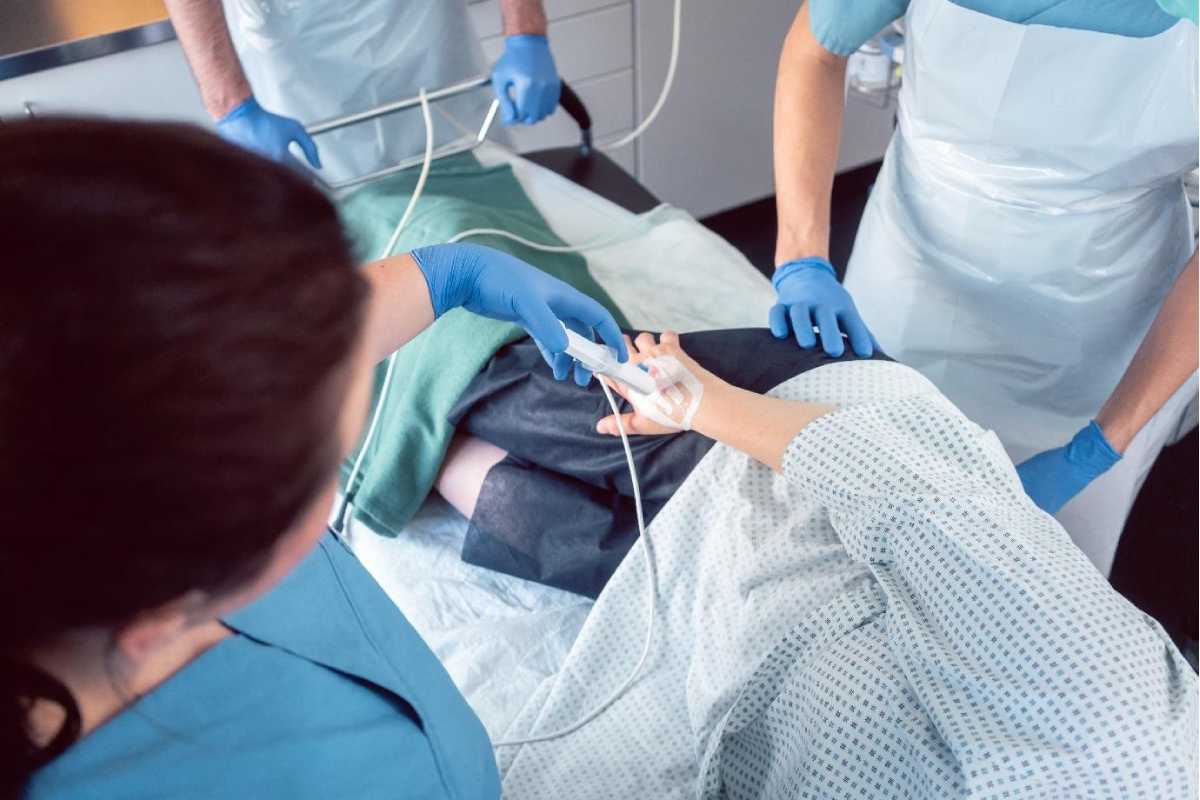
Colonoscopy is one of the most important diagnostic and preventive procedures in modern gastrointestinal medicine. While it is most commonly associated with colorectal cancer screening, colonoscopy also plays a broader role in evaluating digestive symptoms, identifying inflammatory disease, and detecting precancerous changes before they progress into malignancy.
For many adults, the decision to undergo colonoscopy often arises around midlife, when colorectal cancer risk begins to increase and screening becomes medically recommended. At the same time, patients frequently have questions about preparation, comfort, safety, and what the procedure can realistically reveal. For individuals seeking care from a colonoscopy specialist Singapore, understanding what to expect from colonoscopy care can help reduce uncertainty and support informed participation in preventive health planning.
Why Colonoscopy Becomes More Relevant With Age
Age is one of the strongest predictors of colorectal cancer risk. The majority of colorectal cancers occur after age 50, although incidence has been rising in younger adults globally. This has led many professional organizations to recommend beginning screening around age 45–50 for average-risk individuals.
Colorectal cancer often develops through the adenoma-to-carcinoma sequence. In this process, benign adenomatous polyps gradually accumulate genetic mutations over time, progressing toward dysplasia and eventually invasive cancer. This transformation often takes 10 years or longer, providing an important opportunity for early detection and prevention.
Because early colorectal cancer frequently causes no symptoms, colonoscopy becomes increasingly valuable as a proactive rather than reactive medical intervention.
Screening, Prevention, and Early Detection Through Colonoscopy
Colonoscopy is considered the most comprehensive colorectal screening method because it allows direct visualization of the colon and rectum. A flexible endoscope equipped with a camera is advanced through the bowel, enabling clinicians to identify:
- Adenomatous polyps
- Serrated lesions
- Early-stage colorectal cancers
- Inflammatory changes consistent with colitis
- Vascular abnormalities that may cause bleeding
A major preventive advantage is that polyps can often be removed during the same procedure through polypectomy. This interrupts the progression from precancerous lesion to malignancy.
Screening intervals depend on individual risk and findings:
- Average-risk adults with normal results may repeat colonoscopy every 10 years
- Patients with adenomas often require surveillance in 3–5 years
- Individuals with strong family history or inflammatory bowel disease may need earlier and more frequent exams
Early-stage detection is associated with significantly better outcomes than cancers diagnosed after symptoms develop.
Daily Lifestyle Factors That Influence Colorectal Health
Colonoscopy findings often reflect long-term lifestyle influences on gastrointestinal health. Diets high in processed meats and low in dietary fiber have been linked to increased colorectal cancer risk, possibly through altered gut microbiota and carcinogenic metabolites.
Key lifestyle factors that may increase risk include:
- Sedentary behavior and obesity
- Smoking
- Heavy alcohol consumption
- Chronic metabolic inflammation
Conversely, regular physical activity, maintaining a healthy weight, and consuming fruits, vegetables, and whole grains may reduce baseline risk and support bowel regularity.
Lifestyle modification does not replace screening, but it can complement preventive strategies and improve long-term digestive resilience.
Age-Related and Chronic Conditions Evaluated Through Colonoscopy
Several chronic and age-related colorectal conditions become more common after midlife and may be identified through colonoscopy.
Diverticulosis is frequently seen in older adults and involves small outpouchings in the colon wall. While often asymptomatic, diverticulosis may predispose to diverticulitis or bleeding.
Inflammatory bowel diseases such as ulcerative colitis and Crohn’s disease are also evaluated through colonoscopy. Chronic mucosal inflammation increases dysplasia risk, making surveillance particularly important.
Colonoscopy may also help diagnose ischemic colitis, strictures, or unexplained bleeding sources. These findings guide further management and help prevent complications.
Prescription Versus Over-the-Counter Approaches to Prevention
Unlike dermatologic care, colorectal cancer prevention is not primarily managed through over-the-counter products. However, certain medications have been studied for their potential protective effects.
Aspirin and other nonsteroidal anti-inflammatory drugs have been associated with reduced colorectal cancer incidence in some studies, likely through cyclooxygenase inhibition and reduced inflammatory signaling. These medications carry bleeding risks and should only be considered under medical supervision.
Fiber supplements may improve bowel regularity but do not substitute for colonoscopic screening or polyp removal. Probiotics may support microbiome balance but have limited evidence for structural disease prevention.
The most effective preventive approach remains colonoscopy-based detection and removal of precancerous lesions.
In-Clinic Procedure Experience: What Patients Can Expect
Patients often wonder what the colonoscopy process involves. Colonoscopy care typically includes several structured steps:
Preparation:
Bowel preparation is essential for accurate visualization. Patients are usually prescribed a laxative regimen the day before the procedure. Clear-liquid diets are often required for a defined period. Inadequate preparation may reduce detection accuracy and require repeat examination.
Sedation and Comfort:
Most colonoscopies are performed under sedation, meaning patients typically experience minimal discomfort and often have little memory of the procedure.
Procedure Duration:
The examination usually lasts 20–45 minutes, depending on findings and whether polyp removal is required.
Interventions During Colonoscopy:
Clinicians may perform biopsies, remove polyps, or treat bleeding lesions during the same session.
Recovery:
Patients are monitored briefly after sedation and typically return home the same day, although driving is not advised immediately afterward.
Complications such as bleeding or perforation are uncommon, particularly in routine screening, but risks are discussed beforehand.
What Our Colorectal Surgeon Says
In my clinical practice, I often reassure patients that colonoscopy is one of the most effective preventive procedures we have.
Many people feel anxious about preparation or discomfort, but the procedure itself is usually well tolerated with sedation. The greatest value of colonoscopy lies in its ability to detect polyps early and remove them before cancer develops. Adults who undergo screening at appropriate intervals often benefit from reduced colorectal cancer risk and greater reassurance about their digestive health.
Putting This Into Practice
- Discuss screening with your healthcare provider starting around age 45–50
- Consider earlier colonoscopy if you have family history or inflammatory bowel disease
- Follow bowel preparation instructions carefully for accurate results
- Maintain a diet higher in fiber and lower in processed meats
- Engage in regular physical activity to support bowel health
When to Seek Professional Help
- Blood in the stool or unexplained rectal bleeding
- Persistent change in bowel habits lasting more than several weeks
- Unexplained weight loss or fatigue
- Iron-deficiency anemia without clear cause
- Strong family history of colorectal cancer or polyps
- Diagnosis of inflammatory bowel disease requiring surveillance
Commonly Asked Questions
Is colonoscopy painful?
Most patients undergo sedation and experience minimal discomfort during the procedure.
How long does colonoscopy take?
The procedure typically lasts 20–45 minutes, depending on whether interventions such as polyp removal are needed.
Why is bowel preparation so important?
Clear visualization of the colon lining is essential for detecting small polyps or early cancers. Poor preparation reduces accuracy.
How often do I need a colonoscopy?
Average-risk adults with normal results often repeat screening every 10 years. Higher-risk patients may need shorter intervals.
What happens if a polyp is found?
Most polyps can be removed during the procedure. Pathology results determine whether surveillance intervals should change.
Next Steps
Colonoscopy is a central tool for colorectal cancer prevention and broader digestive health evaluation. Understanding what to expect from preparation and sedation to potential findings can help patients approach screening with greater confidence. If you are approaching screening age or have symptoms or risk factors, consultation with a colorectal specialist can help determine the most appropriate colonoscopy plan for long-term health protection.