

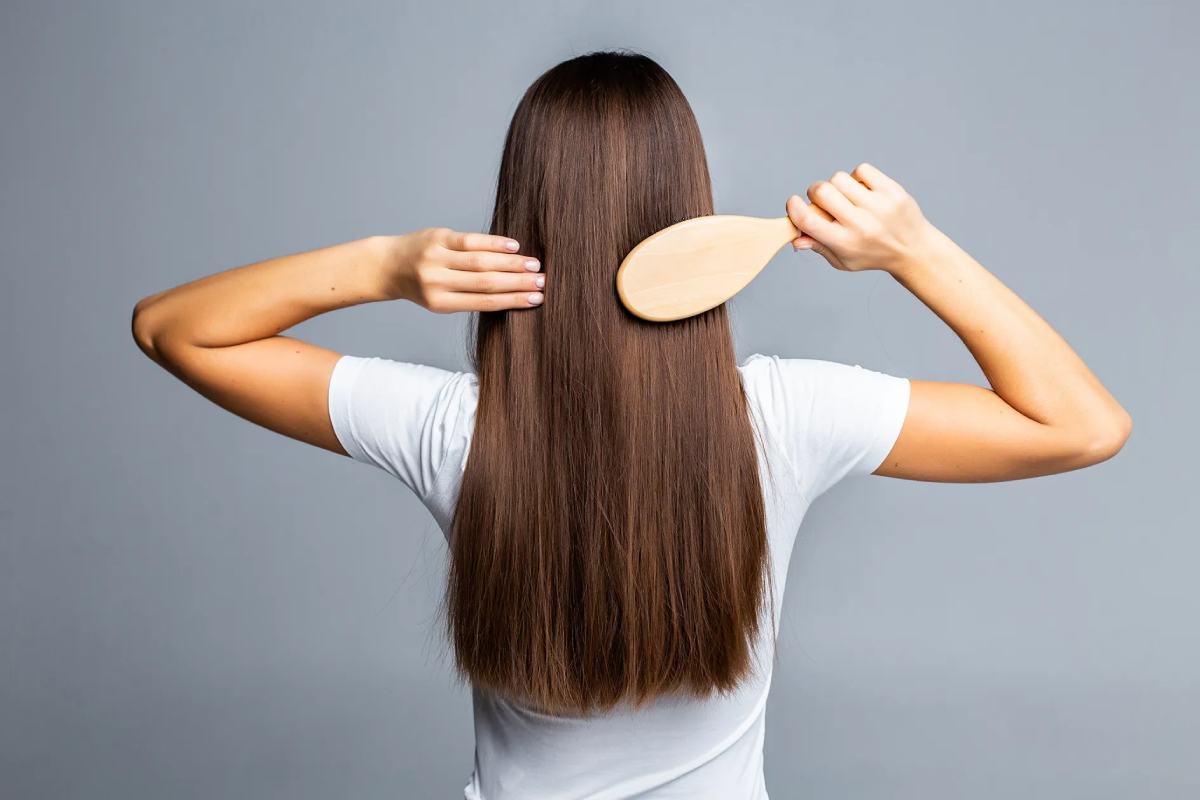
Hair length is determined less by how fast hair grows and more by how much survives. By maximizing scalp health, nutrition, and damage control, most people can achieve their natural maximum length without relying on miracle products.
Most people don’t have a growth problem — they have a retention problem. Your hair is likely growing right now, but breakage, shedding, and damage erase the evidence before you see progress. That’s why expensive products, oils, and “growth hacks” often fail: they target the wrong bottleneck.
Long, healthy hair comes from protecting the hair you already grow while maintaining a healthy scalp and body. Speeding growth is limited; preventing loss is powerful.
If your hair has been stuck at the same length for years, the solution isn’t a magic serum. It’s a retention-first strategy grounded in biology, dermatology, and consistent habits — not viral trends.
Who This Guide Is For
Ideal readers
- Beginners frustrated by stagnant hair length
- People recovering from damage or hair loss
- Anyone seeking science-backed guidance
Not ideal for
- Those expecting dramatic results in weeks
- Severe medical hair loss cases without professional care
The Biology of Hair Length: Growth Rate vs. Growth Potential
Hair grows in cycles governed largely by genetics and physiology. The growth phase (anagen) determines how long a strand can become before shedding.
Most healthy adults grow about 1–1.5 cm per month. Even perfect care cannot transform that into instant waist-length hair. However, poor care can reduce visible progress to zero.
Hair Growth Cycle Overview
| Phase | What Happens | Duration | Impact on Length |
| Anagen | Active growth | 2–7 years | Determines max length |
| Catagen | Transition | ~2 weeks | Growth stops |
| Telogen | Rest & shed | 2–4 months | Old hair falls |
Why “Slow Growth” Is Usually Misdiagnosed
| Situation | What’s Actually Happening |
| Frequent trims | Removing new growth |
| Heat damage | Ends snapping off |
| Stress shedding | Increased telogen phase |
| Chemical damage | Structural weakening |
Organizations like the American Academy of Dermatology emphasize that visible length depends on both growth and breakage rates.
The Retention Equation: Why Hair Stops at a Certain Length
Visible length = Growth − Breakage − Shedding
Hair becomes older and weaker toward the ends. Without protection, it breaks before reaching longer milestones.
Major Sources of Breakage
| Type | Examples | Long-Term Effect |
| Mechanical | Brushing, tight styles | Micro-fractures |
| Thermal | Flat irons, blow dryers | Cuticle loss |
| Chemical | Bleach, relaxers | Structural damage |
| Environmental | Sun, pollution | Dryness & brittleness |
Signs Your Hair Is Losing Length
| Sign | What It Indicates |
| See-through ends | Progressive breakage |
| Persistent tangles | Cuticle damage |
| Uneven hemline | Breakage at different points |
| No net growth | Loss equals gain |
Scalp Health: The Growth Foundation Most Guides Ignore
Hair quality begins at the follicle. Inflammation, fungal imbalance, or buildup can impair normal growth cycles.
Common Scalp Problems
| Condition | Symptoms | Effect on Hair |
| Dandruff | Flaking, itching | Inflammation |
| Seborrheic dermatitis | Oily scales | Increased shedding |
| Dry scalp | Tightness, flakes | Fragile roots |
| Buildup | Greasy film | Follicle blockage |
Dermatologists and trichologists frequently treat scalp conditions before addressing hair shaft issues because follicles need a stable environment to function properly.
Nutrition & Internal Factors That Control Hair Output
Hair production requires protein, oxygen delivery, and micronutrients. When the body lacks resources, hair growth slows or shedding increases.
Key Nutrients for Hair
| Nutrient | Role | Common Sources |
| Protein | Keratin formation | Eggs, legumes, meat |
| Iron | Oxygen transport | Spinach, red meat |
| Zinc | Cell division | Nuts, seeds |
| Vitamin D | Follicle cycling | Sunlight, fortified foods |
| B Vitamins | Energy metabolism | Whole grains |
Lifestyle Triggers for Hair Loss
| Trigger | Typical Delay Before Shedding |
| Crash dieting | 2–4 months |
| Major illness | 2–3 months |
| Severe stress | 2–5 months |
| Hormonal shifts | Variable |
Institutions like the National Institutes of Health link iron deficiency and low vitamin D levels to increased hair shedding.
Damage Control: Daily Habits That Preserve Length
Small daily behaviors compound into major differences over years.
High-Impact Protective Habits
| Habit | Why It Works |
| Heat protectant | Reduces thermal damage |
| Loose styles | Prevents tension breakage |
| Microfiber towel | Minimizes friction |
| Silk/satin sleep | Reduces nighttime damage |
| Gentle detangling | Prevents snapping |
The Trim Strategy Comparison
| Approach | Short-Term Result | Long-Term Result |
| No trims | Looks longer now | Severe breakage later |
| Frequent large trims | Slow visible growth | Healthy ends |
| Micro-trims | Balanced approach | Maximum retention |
Oils, Serums, and Treatments: Reality vs. Marketing
Topical products mainly protect existing hair rather than increasing follicle output.
Popular Oils Compared
| Oil | Benefits | Limitations |
| Coconut | Reduces protein loss | Heavy for fine hair |
| Argan | Shine & softness | Surface effect |
| Castor | Thick occlusive | Limited growth evidence |
| Rosemary | Possible stimulation | Mild results |
Use oils as maintenance tools, not miracle cures.
Supplements & Medical Options: Evidence vs. Hype
Supplements can help when deficiencies exist — otherwise benefits are limited.
Common Supplements
| Supplement | Helps When | Risks |
| Biotin | Deficiency present | Acne, lab interference |
| Iron | Low ferritin | Toxic if excessive |
| Vitamin D | Deficient | Needs monitoring |
| Collagen | Structural support | Modest evidence |
Medical treatments like minoxidil have stronger research backing but require long-term use and professional guidance.
Specialist Options, Pricing & Locations
| Specialist Type | What They Do | Typical Price | Countries Available |
| Dermatologist | Diagnose medical causes | $50–$300/visit | Global |
| Trichologist | Hair & scalp analysis | $40–$200 | US, UK, India, AU |
| Nutritionist | Diet optimization | $30–$150 | Global |
| Endocrinologist | Hormonal evaluation | $80–$400 | Global |
Illustrative India pricing: ₹500–₹2,500 per consultation
US/UK private clinics: Higher due to insurance differences
Professional Treatments: Cost vs. Benefit
| Treatment | Purpose | Price Range | Evidence Strength |
| PRP therapy | Stimulate follicles | $300–$1,500/session | Moderate |
| Low-level laser therapy | Improve density | $200–$1,000 device | Moderate |
| Prescription treatments | Reduce shedding | Varies | Strong |
Availability varies by country and clinic regulation.
Realistic Timelines: How Long Long Hair Takes
Hair growth requires patience measured in years.
Length Progression Estimates
| From → To | Typical Time |
| Short → Shoulder | 1–2 years |
| Shoulder → Mid-back | 1–2 years |
| Mid-back → Waist | 1–2 years |
| Pixie → Waist | 4–6 years |
Consistency matters more than intensity.
Red Flags That Require Medical Attention
| Symptom | Possible Cause |
| Sudden heavy shedding | Telogen effluvium |
| Patchy loss | Alopecia areata |
| Progressive thinning | Androgenetic alopecia |
| Pain or lesions | Infection/inflammation |
Early diagnosis improves outcomes.
Country-Wise Access to Care & Products
| Region | Accessibility | Notes |
| US | High | Expensive private care |
| UK | Moderate | NHS + private options |
| India | High | Affordable specialists |
| Australia | Moderate | Urban access better |
| EU | High | Regulated treatments |
Reviews & User Satisfaction Patterns
Across clinics and products, consistent themes emerge:
| Factor | Positive Reviews Mention | Negative Reviews Mention |
| Medical treatment | Reduced shedding | Cost, time |
| Professional care | Accurate diagnosis | Multiple visits |
| DIY routines | Low cost | Slow results |
| Supplements | Convenience | Inconsistent outcomes |
A Practical Growth Strategy: Beginner → Advanced
Essential (Highest ROI)
- Adequate nutrition
- Gentle handling
- Scalp care
- Reduced heat damage
Optimization
- Protective styling
- Tailored products
- Sleep protection
- Routine consistency
Medical Level
- Professional diagnosis
- Targeted treatments
- Hormonal evaluation
The Non-Marketing Truth About Long Hair
Long hair is not built by intensity or expensive products. It is built by consistency and preservation. Your body already knows how to grow hair. Your job is to stop losing it faster than it grows. When retention improves, length becomes inevitable — not fast, not flashy, but real and lasting.
Grow normally. Lose less. Stay consistent.
That is the truth about growing long, healthy hair.