

Key Takeaways
- Fatigue, low mood, poor sleep, reduced strength, and sexual health changes can have many causes.
- Symptoms alone cannot confirm low testosterone.
- Testing commonly involves early-morning blood work and may require repeat testing.
- Sleep, medications, weight changes, chronic conditions, and fertility plans all matter when evaluating hormone health.
- Testosterone therapy requires individualized medical oversight and ongoing follow-up.
In the Seattle area, a full calendar, long commutes, changing daylight, family responsibilities, and demanding work can all make persistent fatigue feel normal. Still, when low energy, diminished motivation, reduced sex drive, or changes in strength continue, it may be worth looking beyond a quick explanation. A provider-led evaluation at a TRT clinic can help determine whether testosterone is part of the picture or whether another health concern needs attention first. Low testosterone is one possible contributor to these symptoms, but it is not the only one. A useful assessment connects laboratory findings with a person’s symptoms, medical history, medications, sleep quality, and goals. That careful approach can help men in Seattle, Des Moines, and nearby Washington communities avoid treating a single number while overlooking the underlying cause.
Why Fatigue Deserves More Than a Quick Guess
Feeling tired does not automatically point to a hormone problem. Poor sleep, chronic stress, depression, thyroid conditions, anemia, diabetes, medication effects, alcohol use, and obstructive sleep apnea can overlap with symptoms often associated with low testosterone. Snoring, waking unrefreshed, and daytime drowsiness deserve particular attention because disrupted breathing during sleep can affect energy, mood, and overall health. A testosterone blood test can provide valuable information, but it cannot diagnose a condition on its own. The details of a testosterone levels test show why results need to be interpreted alongside symptoms and other clinical information. A low result from one test may reflect timing, illness, laboratory variation, or a temporary change rather than a lasting deficiency.
Common Signs That May Lead to Testing
The following concerns may justify a conversation with a qualified healthcare professional. They are not proof of low testosterone, and each can have other explanations.
- Persistent low energy or reduced exercise tolerance
- Reduced interest in sex or changes in erections
- Lower muscle strength or difficulty maintaining muscle mass
- Low mood, irritability, or trouble concentrating
- Nonrestorative sleep or frequent sleep disruption
- Unexplained anemia or reduced bone density identified during prior care
How Testosterone Testing Works
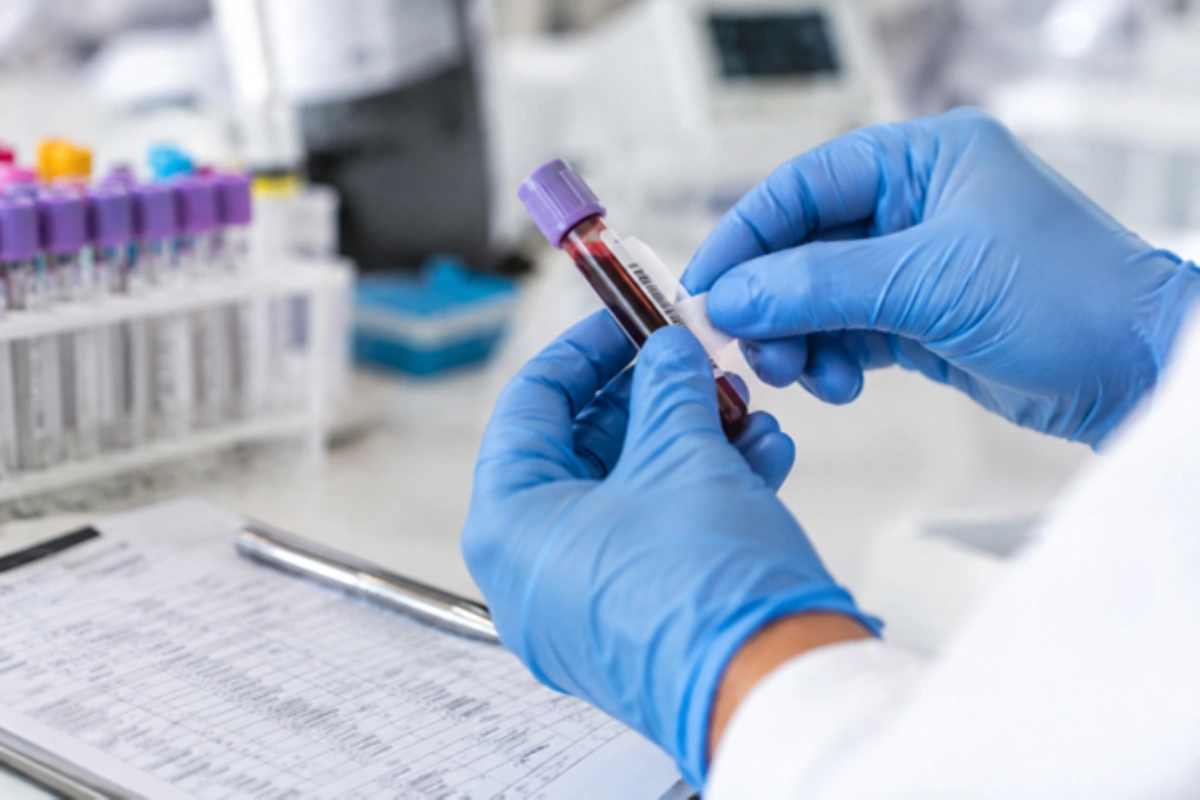
Testosterone levels usually vary over the course of the day, which is why clinicians commonly order total testosterone testing in the early morning. If the result is low or unclear, repeat morning testing may be needed before a diagnosis is considered. Testing while someone is acutely ill can also make interpretation more difficult.
What a Thorough Evaluation May Include
- A review of symptoms, sleep, medical history, exercise, nutrition, alcohol use, and medications.
- An early-morning total testosterone blood test.
- Repeat testing if the first result is low or does not match the clinical picture.
- Additional tests when appropriate, such as free testosterone, sex hormone-binding globulin, thyroid markers, blood counts, LH, FSH, or prolactin.
- A discussion of possible causes before treatment decisions are made.
Total Testosterone, Free Testosterone, and SHBG
Total testosterone measures the overall amount of testosterone in the bloodstream. Free testosterone refers to the smaller portion that is not tightly bound to proteins. Sex hormone-binding globulin, often abbreviated as SHBG, is one such protein and can influence how total testosterone results are interpreted. Age, body composition, medications, certain medical conditions, and laboratory methods can affect these values. The right tests depend on the individual, not on a one-size-fits-all panel.
Lifestyle Factors That Can Affect Hormone Health
Healthy habits do not replace medical evaluation when symptoms are persistent, but they can support energy, sleep, metabolic health, and overall well-being. For many men, the first useful steps are practical and sustainable rather than extreme.
- Keep a consistent sleep and wake schedule, including on weekends when possible.
- Address loud snoring, witnessed pauses in breathing, or excessive daytime sleepiness.
- Include resistance training and regular moderate aerobic activity as health permits.
- Choose meals with adequate protein, fiber, fruits, vegetables, and healthy fats.
- Limit heavy alcohol use and avoid restrictive dieting without professional guidance.
- Use realistic stress-management tools, such as walking, counseling, social support, or relaxation practices.
When Testosterone Treatment May Be Considered
Testosterone therapy is generally considered only when consistent symptoms align with reliably low testosterone results and other explanations have been reviewed. The clinical guidance for testosterone therapy emphasizes diagnosing hypogonadism only in men with symptoms and consistently low serum testosterone concentrations. If treatment is appropriate, the conversation should cover the delivery method, expected monitoring, possible benefits, limitations, and potential risks. Injections, topical products, and pellets have different routines and practical considerations. No approach should promise a specific result or timeline, because responses vary from person to person.
Fertility, Safety Checks, and Follow-Up
Fertility should be discussed before starting treatment. Testosterone therapy can suppress sperm production, so men who want children now or in the future should tell their provider before any hormone plan begins. That goal may change which options are appropriate. Ongoing medical supervision matters after treatment starts. Follow-up may include symptom reviews, repeat testosterone testing, blood counts, blood pressure checks, and other assessments based on age and health history. Monitoring helps a clinician determine whether a dose needs adjustment, whether side effects are developing, or whether symptoms may be related to a different condition.
Red Flags That Need Prompt Care
Do not assume urgent symptoms are hormone-related. Seek prompt medical attention for chest pain, sudden shortness of breath, one-sided weakness, difficulty speaking, severe headache with vision changes, sudden testicular pain or swelling, blood in the urine, or thoughts of self-harm.
Questions to Ask at a Medical Appointment
- Could another condition or medication explain these symptoms?
- Do I need to repeat early-morning testing?
- Would free testosterone or SHBG testing help clarify my results?
- How could treatment affect fertility, blood counts, or prostate monitoring?
- Which lifestyle changes may help alongside medical care?
- What follow-up testing would be needed if treatment begins?
Take a Step-by-Step Approach
Persistent fatigue and related symptoms deserve attention and a careful evaluation. For men throughout Seattle and South King County, the most useful next step is not to guess. It involves reviewing symptoms, confirming results with appropriate testing, considering sleep and other health factors, and making decisions that align with long-term health goals.
Conclusion
Persistent fatigue, low mood, reduced sex drive, changes in strength, and sleep problems can be frustrating, but they do not automatically mean low testosterone. A proper evaluation should look at symptoms alongside early-morning blood tests, medical history, medications, sleep quality, lifestyle factors, and other possible health conditions. When testosterone levels are consistently low and symptoms support the diagnosis, treatment may be considered with appropriate medical supervision. Men should also discuss fertility plans and understand the need for ongoing monitoring before starting therapy. For those in Seattle and nearby Washington communities, taking a step-by-step approach can help avoid treating symptoms based on assumptions or a single test result. The goal is to identify the underlying cause and choose a treatment plan that supports individual health needs and long-term goals.