

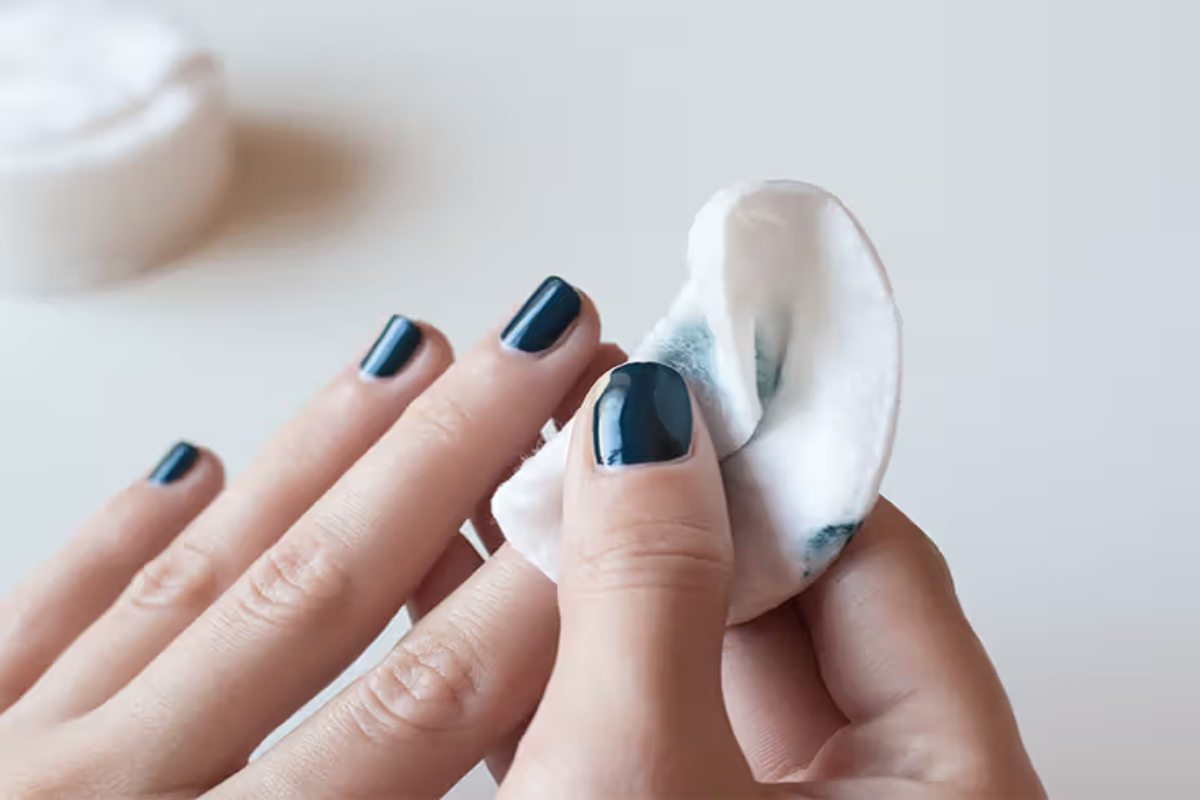
Nail polish is a cosmetic lacquer that comes in a variety of colours, but it’s more than just a dye stain. Since it’s made up of various chemicals, nail varnish hardens into the fibres of the fabric when it dries, making it difficult to remove when you spill it on your clothes. If you think you need to throw out that much-loved shirt or get heavy-duty solvents to dissolve the nail polish embedded in your garment, we’re here to help. Follow Ariel’s tips on how to remove nail polish stains safely by reading our instructions about removing nail polish stains from clothes or carpets below.
Why Nail Polish Removal Matters More Than You Think
The nail plate is made primarily of keratin layers held together by natural lipids. Aggressive scraping, prolonged dehydration, or repeated chemical exposure strips these lipids, weakening the nail structure over time.
Improper removal is today documented as one of the most common non-medical causes of nail damage, even extra than polish the situation.
How Nail Polish Bonds to the Nail Plate
Nail polish adheres through:
- Solvent evaporation that leaves pigment bound to keratin
- Plasticizers that increase flexibility
- Resins that strengthen surface grip
Darker, glitter, or layered polishes contain higher pigment and particle density, making them harder to dissolve and easier to damage nails during removal.
Acetone vs Non-Acetone Removers: What Science Says
Before choosing a remover, it’s important to understand how each option affects both effectiveness and nail health.
Comparison Table: Acetone vs Non-Acetone Removers
| Factor | Acetone | Non-Acetone |
| Removal speed | Very fast | Slow |
| Scrubbing required | Minimal | Moderate to high |
| Nail dehydration | Temporary | Mild |
| Risk of peeling | Low (when soaked) | Higher (due to friction) |
| Best use case | All polish types | Light, frequent polish |
Evidence-based conclusion:
Acetone is less damaging than non-acetone removers when used correctly, because it minimizes rubbing and mechanical stress on the nail plate.
Safest Way to Remove Nail Polish at Home (Step-by-Step)
The safest removal method prioritizes chemical dissolution over physical force.
- Soak a cotton pad with remover
- Press it firmly onto the nail
- Hold for 10–15 seconds
- Slide polish off gently in one direction
- Repeat only if residue remains
This technique preserves nail layers and prevents surface splitting.
Removing Stubborn Nail Polish (Glitter, Dark, Layered Shades)
Glitter and dark polishes resist removal due to dense pigments and embedded particles. Scraping these off is one of the fastest ways to damage nails.
Effectiveness of Removal Methods for Stubborn Polish
| Method | Effectiveness | Nail Damage Risk |
| Acetone soak | Very high | Low |
| Non-acetone remover | Medium | Medium |
| Alcohol-based products | Medium | Medium |
| Scraping tools | Low | High (not recommended) |
Key insight:
The more stubborn the polish, the more important soaking becomes.
Removing Nail Polish Without Remover: Fact vs Myth
Many users search for alternatives when remover isn’t available. Not all substitutes are equally safe or effective.
Table: DIY Nail Polish Removal Methods Compared
| Method | Works? | Why |
| Rubbing alcohol | Yes (moderate) | Dissolves polish bonds |
| Hand sanitizer | Yes (limited) | Alcohol content |
| Lemon + vinegar | Minimal | Weak chemical action |
| Toothpaste | No | Abrasive, not dissolving |
| Warm water soak | No | No solvent action |
Bottom line:
Alcohol-based products exertion in disasters. Rough or acidic methods cause more harm than benefit.
Nail Recovery After Polish Removal
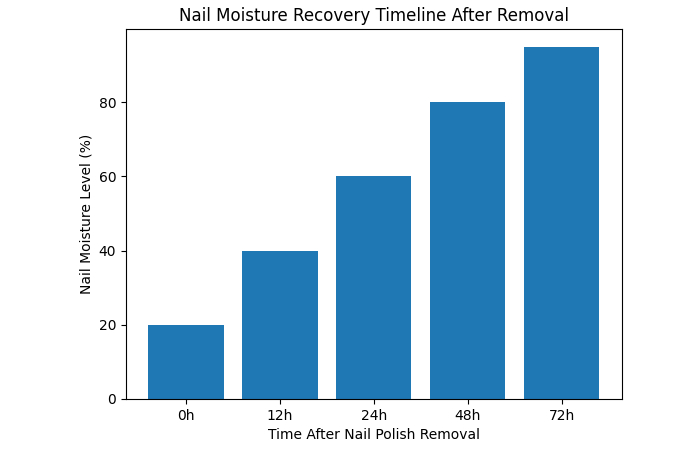
Immediately after removal, nails experience temporary dehydration, not permanent damage.
Graph: Nail Moisture Recovery Timeline After Removal
With proper hydration:
- Moisture levels normalize within 24–48 hours
- Cuticle oil accelerates recovery
- Damage occurs mainly when polish is scraped, not soaked
2026 Nail Care Insights & Statistics
To place removal methods in context, here’s what current data shows:
Nail Care & Consumer Trends (2026)
| Metric | 2026 Insight |
| At-home polish removal | Over 55% of users |
| Nail care market growth | ~5% CAGR |
| Demand for gentle removers | Increasing yearly |
| Common cause of nail peeling | Improper removal |
These trends explain why safe removal education is now more important than ever.
Case Example: Frequent DIY Manicure User
A user removing polish twice weekly using aggressive rubbing experienced:
- Nail peeling
- Surface thinning
- Increased breakage
After switching to a soak-and-slide method and adding post-removal oil:
- Nail texture improved within 3 weeks
- Breakage reduced significantly
- Polish removal became faster and easier