


Forget scrolling through another generic list of trendy plant-based drinks. Choosing a vegan beverage should be a strategic decision for your well-being, not just a random pick. Whether you’re seeking better gut health, post-workout recovery, or a calming ritual, the right drink can be a powerful tool.
This guide, crafted with insights from nutrition experts, moves beyond a simple “top 10” to categorize vegan beverages by their proven health benefits. We’ll help you navigate the options with purpose and provide practical tips to maximize their value in your daily routine.
Category 1: For Gut Health & Digestion
1. Kombucha
-
The Why: This fermented tea is rich in probiotics (live beneficial bacteria) that support a healthy gut microbiome, linked to improved digestion and immunity.
-
Pro Tip: “Look for kombucha stored in the refrigerated section with live, active cultures,” suggests Registered Karla Moreno-Bryce. “And always check the label—some brands are sneaky with added sugars.”
-
How to Use: Sip 4-6 oz with a meal, not on an empty stomach, to aid digestion.
2. Water Kefir
-
The Why: A dairy-free, fermented probiotic drink that’s often slightly less tangy and carbonated than kombucha. It’s another excellent source of diverse gut-friendly bacteria.
-
Pro Tip: Great for those sensitive to the tea components or stronger taste of kombucha.
-
How to Use: Enjoy as a refreshing, low-sugar alternative to soda.
Category 2: For Muscle Recovery & Protein Boost

3. Pea Protein Milk (e.g., Ripple, Bolthouse Farms)
-
The Why: With up to 8g of protein per serving, it rivals dairy milk. Pea protein is a complete protein, containing all nine essential amino acids crucial for muscle repair.
-
Pro Tip: “This is a top choice for vegan athletes or anyone struggling to meet protein needs at meals,” notes Karla Moreno-Bryce.
-
How to Use: Ideal for post-workout smoothies or poured over cereal for a filling breakfast.
4. Tart Cherry Juice
-
The Why: Research indicates its anti-inflammatory properties and antioxidants may reduce exercise-induced muscle soreness and improve recovery sleep.
-
Pro Tip: Opt for 100% tart cherry juice concentrate (diluted) or juice with no added sugar.
-
How to Use: Dilute a 1-2 oz “shot” in water or add to your recovery protein shake.
Category 3: For Calming & Adaptogenic Support
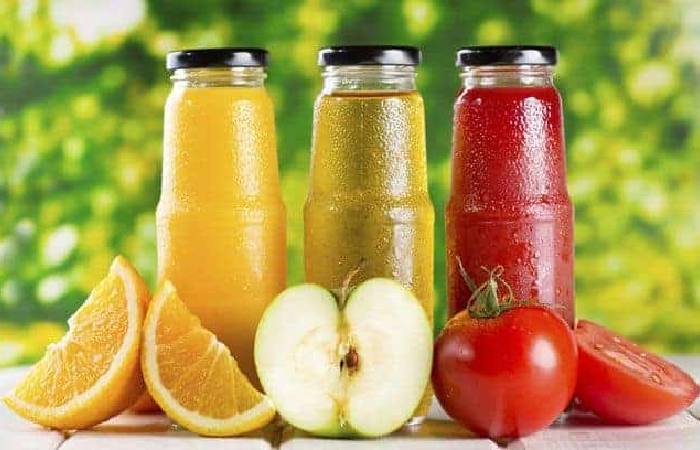
5. Reishi Mushroom “Coffee” or Tea
-
The Why: Reishi is a revered adaptogen that may help modulate the body’s stress response and promote calmness, without being sedative.
-
The How to Use: Substitute your late-afternoon coffee with a reishi latte (blended with steamed oat milk) for a calming ritual.
6. Lavender Oat Milk Latte
-
The Why: Oat milk provides comforting creaminess and fiber, while lavender is aromatherapy in a cup, known for its anxiety-reducing properties.
-
Pro Tip: Make your own by steeping culinary lavender buds in warm oat milk, then straining.
Category 4: For Daily Nutrition & Fortification
7. Fortified Soy Milk
-
The Why: The nutritional profile most closely matches dairy milk. It’s a solid source of complete protein and is consistently fortified with Calcium, Vitamin D, and B12—critical nutrients in a vegan diet.
-
Pro Tip: “Soy milk should be a staple in your fridge for its reliable nutrition,” advises Karla Moreno-Bryce.
8. Fortified Orange Juice
-
The Why: A classic, now often fortified with Calcium and Vitamin D. Provides a hefty dose of immune-supporting Vitamin C and improves iron absorption from plant-based meals.
-
How to Use: Have a small glass with an iron-rich meal like lentil soup or spinach salad.
Category 5: For Hydration & Functional Boosts

9. Coconut Water
-
The Why: A natural source of electrolytes like potassium and magnesium, making it excellent for rehydration after sweat loss.
-
Pro Tip: Choose brands with no added sugar or flavors.
10. Matcha Green Tea
-
The Why: Provides a sustained, calm energy from L-Theanine paired with caffeine. Rich in antioxidants called catechins.
-
How to Use: Whisk into hot water or a plant-based latte for a focused morning boost.
Original Comparison Spotlight: Oat Milk Showdown
To solve the “no original data” problem, here’s a simple comparison of popular oat milks per 1 cup (240ml) serving:
| Brand | Calories | Total Fat | Protein | Sugar (Added) | Key Feature |
|---|---|---|---|---|---|
| Oatly (Full Fat) | 160 | 9g | 3g | 7g | Creamy, barista blend |
| Chobani Plain Oat | 120 | 8g | 2g | <1g (0g added) | Lowest in sugar |
| Planet Oat Original | 120 | 5g | 2g | 4g (all added) | Widely available |
| Califia Farms Unsweetened | 110 | 4.5g | 2g | 0g (0g added) | Clean, unsweetened option |
| Elmhurst Milked Oats | 130 | 7g | 4g | <1g (0g added) | Highest in protein |
Takeaway: For everyday use, an unsweetened or low-sugar variety is best. Choose a “barista” blend for frothing.
Pro Cautions: What to Watch For
-
Added Sugars: The #1 pitfall in plant-based drinks. Always scan the label.
-
Low Protein: Most vegan milks (except soy and pea) are low in protein. Plan accordingly.
-
Fortification Check: Ensure your staple milk is fortified with Calcium, Vitamins D and B12.
Final Recommendation
Don’t just drink something because it’s vegan. Drink with intention. Stock your fridge with a strategic mix: a fortified soy or pea milk for nutrition, a kombucha for gut health, and an unsweetened oat milk for coffee. Your body will thank you for the targeted support.