

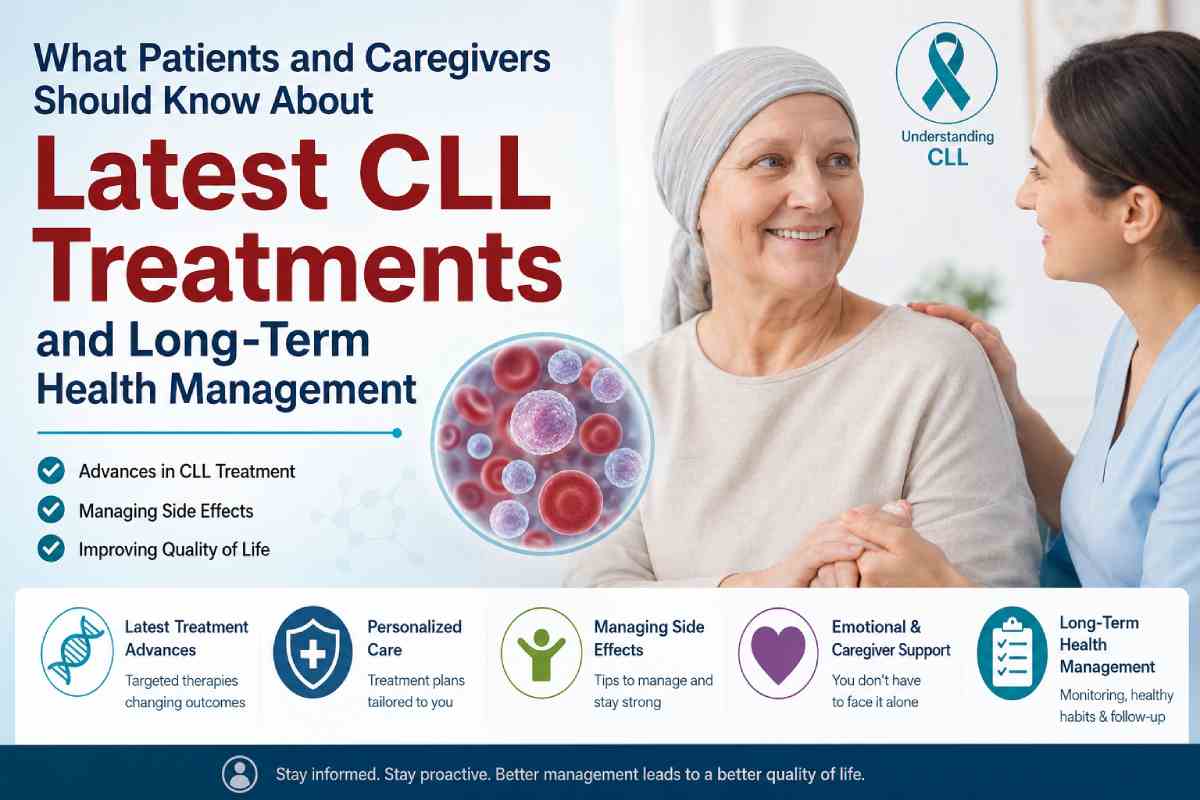
Chronic Lymphocytic Leukemia – also known as CLL – is one of the most prevalent types of adult leukemia. Until now, the treatment of this slow-growing blood and bone marrow cancer has been largely based on traditional chemotherapy protocols, but these can have serious side effects, particularly in older and frailer patients. But, over the last decade, medical research and clinical breakthroughs have changed the way healthcare providers treat this disease.
In the modern era, therapeutic strategies have become more focused and specific, using therapeutic agents, which don’t contain the word “chemotherapy,” and target specific molecular pathways that are essential for the survival of cancer cells and offer more targeted disease management and longer progression-free benefit.
Patients, family members, and primary care providers need to understand how these options work when they are faced with a new diagnosis or in the progression of their disease. By researching information about the latest cll treatments, individuals may be able to find out about targeted treatments like Bruton’s tyrosine kinase (BTK) inhibitors and B-cell lymphoma 2 (BCL-2) inhibitors.
These developments can enable oncology teams to personalise their approach to treatment, taking into account genetic markers, general health and previous treatment experiences. Keeping informed of new clinical data, families can be engaged in shared decision making with their hematologist-oncologist to decide the better course of action.
Targeted Medical Interventions (TMIs) have been evolving over time.
The CLL treatment paradigm has changed dramatically over the past few years from traditional multi-agent cytotoxic chemotherapy to more targeted medications, including oral agents and monoclonal antibodies. The drugs called Bruton’s tyrosine kinases are important to preventing the biochemical communication that leukaemia cells need to multiply and survive. These targeted oral medications do not blanketly impact all rapidly dividing healthy cells in the body.
These have become well established in first-line and relapsed treatment guidelines as continued clinical trials have shown good rates of response and prolonged duration of response. As a result, patients commonly have sustained disease control, with manageable side-effect profiles, as opposed to standard intravenous chemotherapy regimens.
Putting Effective Long-Term Health Strategies into practice
Routine clinical monitoring is the foundation of disease management, as CLL is usually a chronic condition, and needs regular checkup. Periodic complete blood counts and physical exams, along with periodic blood tests, help health care providers track disease activity and treatment results over time. Besides the management of the disease, long-term health planning should also consider secondary health risks in connection with CLL.
People with CLL are at a higher risk of developing other cancers and infections because of the defects in their immune system that result from the disease itself and from their cancer treatment. Optimal therapeutic benefit and long-term stability are obtained by prioritizing routine non-live vaccinations, regular dermatological screening, strict interventions to avoid infection and strict procedures for daily administration.
The importance of caregivers and support systems.The significance of caregivers and support systems.
Caregivers are essential partners along the entire continuum of care, helping to manage medication routines, monitor symptoms and support emotional stabilization. Living with a chronic hematologic disorder demands ongoing surveillance, and it is important to have systems in place to manage it and ensure one is physically and mentally healthy. Patients should be monitored closely for any unusual or concerning symptoms or signs, such as fatigue or night sweats, loss of weight or continuing signs of infection, and these should be reported to the care team as soon as they are noticed.
In addition, open communication about adherence to daily routine and management of side effects helps to avoid unnecessary delays in treatment. Having access to education, patient organizations and disease-specific support groups gives both patients and caregivers a sense of confidence and clarity in managing their chronic disease.
Final Thoughts
Chronic Lymphocytic Leukemia (CLL) management is an ongoing process of patient education, proactive medical monitoring, and collaborative care. With advances in science, targeted therapies provide enhanced results and streamlined disease management for CLL patients.
Close collaboration with specialist oncology practitioners, regular monitoring of clinical progress and adherence to a long-term health plan are important for optimal results for patients and their families. With regular monitoring, timely medical advice and a complete daily care plan, families can look forward with a sense of confidence.
Frequently Asked Questions (FAQs)
Q1: What are the BTK inhibitors and how do they affect the treatment of CLL?
Targeted oral drugs that inhibit Bruton’s tyrosine kinase, a particular enzyme that’s vital for the survival, growth and travel of abnormal B-cells in CLL.
Q2: Even if a patient feels healthy, why should it be important to monitor them continuously in the long-term?
With regular monitoring, oncologists can more easily notice any changes in blood counts, identify the early signs of disease progression and control any secondary complications or side effects that may occur before they get out of hand.
Q3: May routine vaccines be given to CLL patients?
Yes, but it is advisable to see the oncologist first. Non-live vaccines, like the annual flu shot or pneumonia vaccines, are usually recommended and live attenuated vaccines should be avoided.
Q4: What are some of the side effects to look for in targeted therapies?
Typical side effects include slight tiredness, bruising, joint pain, changes in digestion, or an increased risk of infection. If the symptom worsens or appears for the first time, it should be communicated immediately to the care staff.
Q5: How can caregivers better support a loved one diagnosed with CLL?
The better way to help a loved one with CLL is to be prepared to support them. Caregivers can help by organizing appointments, assisting with daily medication, keeping track of symptoms, and offering emotional support during care discussions.