


For decades, Vitamin C has been a cornerstone of effective skincare, backed by extensive scientific research. As a potent antioxidant, it offers proven benefits, but its effectiveness hinges on choosing the right formulation and using it correctly. This guide will help you navigate the science, avoid common pitfalls, and select a serum that truly works for your skin’s needs.
What is Vitamin C Serum?
Vitamin C serum is a popular skincare product made with concentrated Vitamin C, a powerful antioxidant. It is usually applied to the face to brighten skin, reduce signs of aging, and protect against environmental damage. Available in different strengths and forms, it can be a vital step in both morning and evening skincare routines.
Uses Of Vitamin C Serum
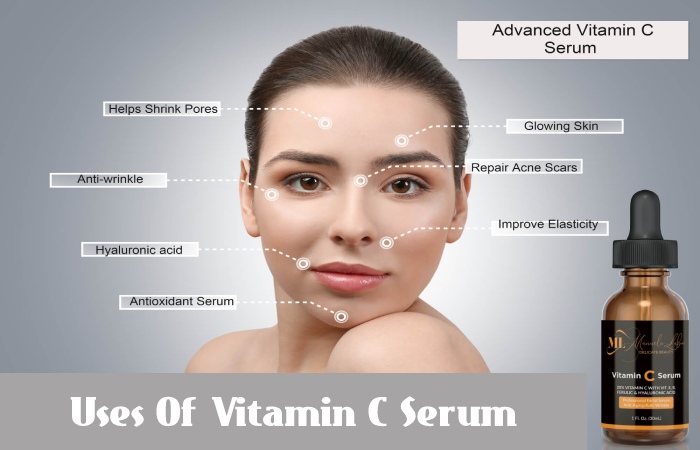
Vitamin C serum is a powerful skincare ingredient that can make skin look brighter, smoother, and glowing. Vitamin C is one of the most sturdy antioxidants for the skin. Current vitamin C, also known as vitamin C serum, has been shown in studies to fight free radicals, prevent sun damage and environmental pollution, lighten the skin and stimulate collagen production, said Dr. Y. Claire Chang, a board-certified cosmetic dermatologist at Union Square Laser Dermatology.
I recommend daily or twice-daily use of topical [vitamin C] to help protect your skin throughout the day. Regular use of [vitamin C] is effective in combating ageing and helping to restore skin luminosity. Once a person starts using vitamin C regularly, they should see the results in a few weeks.
It is a powerful skincare ingredient that can make skin look brighter, smoother, and glowing. Vitamin C is one of the most sturdy antioxidants for the skin. Current vitamin C, also known as vitamin C serum, has been shown in studies to fight free radicals, prevent sun damage and environmental pollution, lighten the skin and stimulate collagen production, said Dr. Y. Claire Chang, a board-certified cosmetic dermatologist at Union Square Laser Dermatology.
I recommend daily or twice-daily use of topical vitamin C to help protect your skin throughout the day. Regular use of vitamin C is effective in combating ageing and helping to restore skin luminosity. Once a person starts using vitamin C
regularly, they should see the results in a few weeks.
The Science of Topical Vitamin C: Core Benefits
Vitamin C (L-ascorbic acid) is a multi-tasking powerhouse when formulated correctly for the skin. Its primary, evidence-based benefits include:
-
Antioxidant Protection: It neutralizes free radicals generated by UV exposure and pollution, which cause premature aging. Think of it as a shield that complements your sunscreen.
-
Collagen Synthesis: It is a necessary co-factor for the enzymes that produce collagen, helping to improve skin firmness and reduce the appearance of fine lines.
-
Brightening and Even Tone: It inhibits the enzyme tyrosinase, which is involved in melanin production, helping to fade post-inflammatory hyperpigmentation (acne marks) and sun spots.
Navigating Different Forms of Vitamin C
Not all Vitamin C serums are created equal. The form used determines its stability, potency, and suitability for your skin type.
| Form of Vitamin C | Key Characteristics | Best For |
|---|---|---|
| L-Ascorbic Acid (LAA) | The most researched, pure form. Highly effective but can be unstable and potentially irritating at high concentrations. Requires a low pH (<3.5) to penetrate. | Normal, oily, or resilient skin seeking maximum antioxidant and anti-aging effects. |
| Magnesium Ascorbyl Phosphate (MAP) | A stable, water-soluble derivative. Converts to LAA in the skin. Gentle and effective for brightening. | Sensitive skin, those new to Vitamin C, or targeting hyperpigmentation. |
| Sodium Ascorbyl Phosphate (SAP) | Another stable, gentle derivative with antioxidant and brightening properties. Some studies show it has anti-acne benefits. | Acne-prone or sensitive skin. |
| Tetrahexyldecyl Ascorbate | An oil-soluble, highly stable ester that penetrates deeply into the skin’s lipid layers. Extremely gentle and effective. | All skin types, including very sensitive or dry skin. |
How to Choose a High-Quality Serum: A Checklist
Look beyond marketing claims. Use this checklist to identify a well-formulated product:
-
Stable Packaging: The serum should be in an opaque, airless pump or tinted bottle. Clear dropper bottles expose light- and air-sensitive Vitamin C to degradation.
-
Supporting Antioxidants: The formula should include Vitamin E (tocopherol) and Ferulic Acid. Research shows this combination boosts Vitamin C’s photoprotective power by up to eight times and enhances its stability.
-
Appropriate Concentration: For L-ascorbic acid, 10-20% is the effective range. Higher than 20% does not increase benefits and significantly raises irritation risk. Derivatives have different effective ranges.
-
pH Level: If using pure L-ascorbic acid, the product pH should be between 2.5 and 3.5 to allow for skin penetration.
Best Vitamin C Serums For The Face.
1. The Best Fragrance-Free Vitamin C Serum; Cerave Skin Renewing
Luminous skin has to be necessarily hydrated skin so that it can be genuinely revived. If that’s what you are looking for in your skin,
The top serum for your face rests on your different needs, and there are a few things to look for in a top-tier vitamin C serum. For best results, you’ll want to look for a concentration of between 10 and 20%. It’s a decent idea to look for it with L-ascorbic acid, an antioxidant, and a high-quality form of it. The price point doesn’t always reflect quality, so opt for the best suits your budget.
2. The Best Dermatological: [Vitamin C Serum] La Roche Posay
At the ages of 25 and 30, the years begin to wreak havoc on our skin, and the famous crow’s feet and other wrinkles start to appear. , it’s good to use this vitamin c serum. This formula is quite powerful, especially in grown-up skin. It applies vitamin C of 10%, more than the minimum and less than the maximum, which avoids the risk of irritation.
3. Best for Oily Skin: [Vitamin C Serum] Poppy Austin
The truth is that vitamin C is an excellent supporter of oily skin. If this is your skin kind or even regular or mixed, check out this vegan from Poppy Austin.
Why is it suitable for these skins? Well, because it is accompanied by vitamin E and jojoba oil.
Jojoba oil provides hydration and moisturizing while helping to regulate sebum production. At the same time, vitamin E enhances the antioxidant effect of vitamin C, which increases protection against free radicals.
4. The Best Value For Money: [Vitamin C Serum] Babas
Some think that skincare requires a lot of saving. You have to see this serum that is genuinely affordable and offers actual results.
We are talking about the best value for money which is already an enormous advantage. But what can it do? By having vitamin E, an antioxidant, like vitamin C, the protection is more excellent against pollution and blue light than the mobile and the computer.
5. Best Cruelty-Free: [Vitamin C Serum] Mad Hippie
Those who love nature know that not always making mixtures at home is a harmless thing to do. Fortunately, some brands do much healthier with natural ingredients.
Mad Hippie does it with this vegan, cruelty, and GMO-free serum that is not only safe but quite beneficial for the health and appearance of the face.
In addition to vitamin C includes eight natural actives, such as konjac root, ferulic acid, and hyaluronic acid. Together they manage to shine and tighten and firm the skin; that is why it can leave a slight tight effect.
Application Guidelines and Important Safety Notes
How to Apply:
-
Apply to clean, dry skin in the morning.
-
Use 4-5 drops for the entire face and neck.
-
Follow with a moisturizer and, most crucially, a broad-spectrum sunscreen with SPF 30 or higher. Vitamin C boosts sun protection but does not replace it.
Important Warnings & Patch Testing:
-
Start Low and Slow: If new to Vitamin C, begin with a lower concentration (10% or a gentle derivative) and use it every other day to assess tolerance.
-
Always Patch Test: Apply a small amount to your inner forearm or behind the ear for several days to check for redness, itching, or irritation.
-
Discontinue if Irritated: Some tingling is common, but persistent stinging or redness means the formula or concentration is not right for you.
-
Consult a Professional: If you have rosacea, eczema, or highly reactive skin, consult a board-certified dermatologist before starting.
Conclusion: An Investment in Skin Health
A well-formulated Vitamin C serum is one of the strongest investments you can make in your long-term skin health. By understanding the different forms, selecting a product with stable packaging and supporting ingredients, and integrating it properly into your morning routine with sunscreen, you can reliably harness its antioxidant and brightening benefits.