

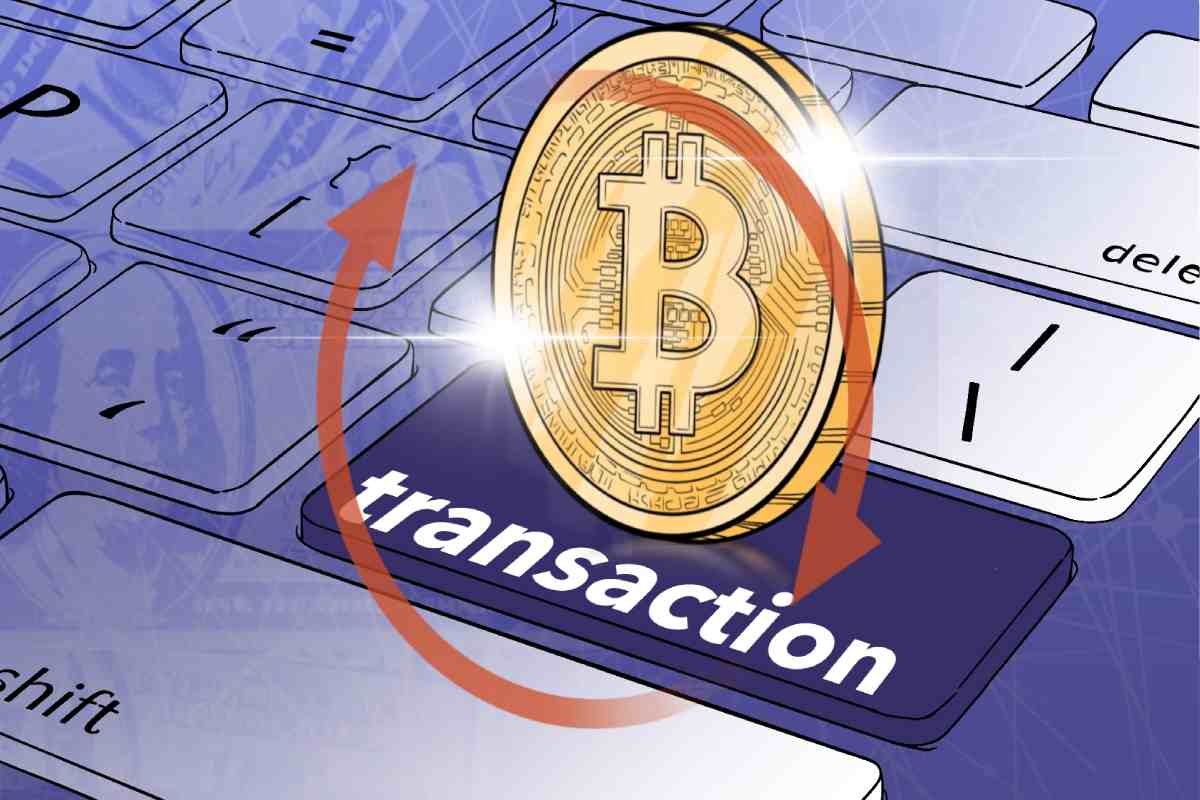
You click Buy. Then comes the awkward part: staring at the screen and wondering whether your crypto is actually on its way or whether it has wandered into some digital waiting room.
Instant crypto transactions are built to remove much of that uncertainty. If you want to buy crypto with debit card, the process can be surprisingly quick, but speed does not mean there is no process behind it. There are several steps between your card and your wallet, and understanding them makes the whole experience easier to navigate.
First, Get Through The Front Door
Before you can buy crypto with debit card, you generally need a verified account. That means creating an account and completing whatever identity checks the platform requires. The exact requirements can vary by provider and location, but verification can determine which services and transaction limits are available to you.
It is not glamorous. It is necessary. Think of it as the security checkpoint before the interesting part begins.
Next: Connect The Card
Once your account is ready, you can add an eligible debit card as a payment method. You will typically enter the required card information and billing details. Depending on the card issuer and platform, you may also need to complete an additional authentication step.
A text message. A banking-app notification. A confirmation screen. So yes, “instant” may still involve a few taps.
Now Pick Your Crypto
This is where the transaction starts to feel straightforward. Choose the cryptocurrency you want to purchase, then enter either how much you want to spend or how much crypto you want to receive. Before confirming, review the quoted exchange rate, transaction amount, and applicable fees.
Do not skip this screen. Crypto prices can move quickly, while fees can vary depending on the provider and payment method. A transaction that looks simple at first glance may have more than one cost attached to it. Five seconds of checking beats five minutes of regret.
Then Hit Confirm
Once you approve the purchase, the debit-card payment goes through an authorization process. Your debit card is providing traditional currency. It is not somehow beaming Bitcoin through the card network. The payment is used to fund the cryptocurrency purchase, which the platform then processes.
If the card issuer approves the transaction and everything else checks out, the purchase can move forward. If it does not? The usual suspects include insufficient funds, incorrect billing information, card restrictions, or other authorization problems.
Not every failed transaction is a crypto mystery. Sometimes the card simply said no.
And Then, The Wallet
After the payment is successfully processed, the purchased cryptocurrency is credited to your wallet. For eligible debit-card purchases, some services can complete this process within minutes. The exact timing can vary based on payment authorization, verification requirements, platform processing, network conditions, and regional factors.
That distinction matters. “Instant” should generally be read as near-immediate, not as a stopwatch guarantee. Fast, yes. Magical, no.
Do One Last Check
Once your crypto arrives, look at the wallet balance and transaction details. Does the asset match what you selected? Does the amount look right? Does the transaction history show what you expected?
If you later send the crypto elsewhere, slow down again. Check the wallet address and network carefully before confirming a transfer. A rushed transaction is rarely improved by another rushed transaction.
The Whole Process, Without The Mystery
The framework is easier to remember than it first appears:
Verify → Connect your debit card → Choose crypto → Review the transaction → Authorize payment → Receive crypto → Check your wallet.
That sequence turns an apparently instantaneous event into something much easier to understand. If your goal is to buy crypto with debit card, the real advantage is not simply speed.
It is knowing what is happening at every stage, what can cause delays, and what you are actually paying before the transaction is final. Because fast crypto is convenient. Fast crypto that you actually understand? Much better.