

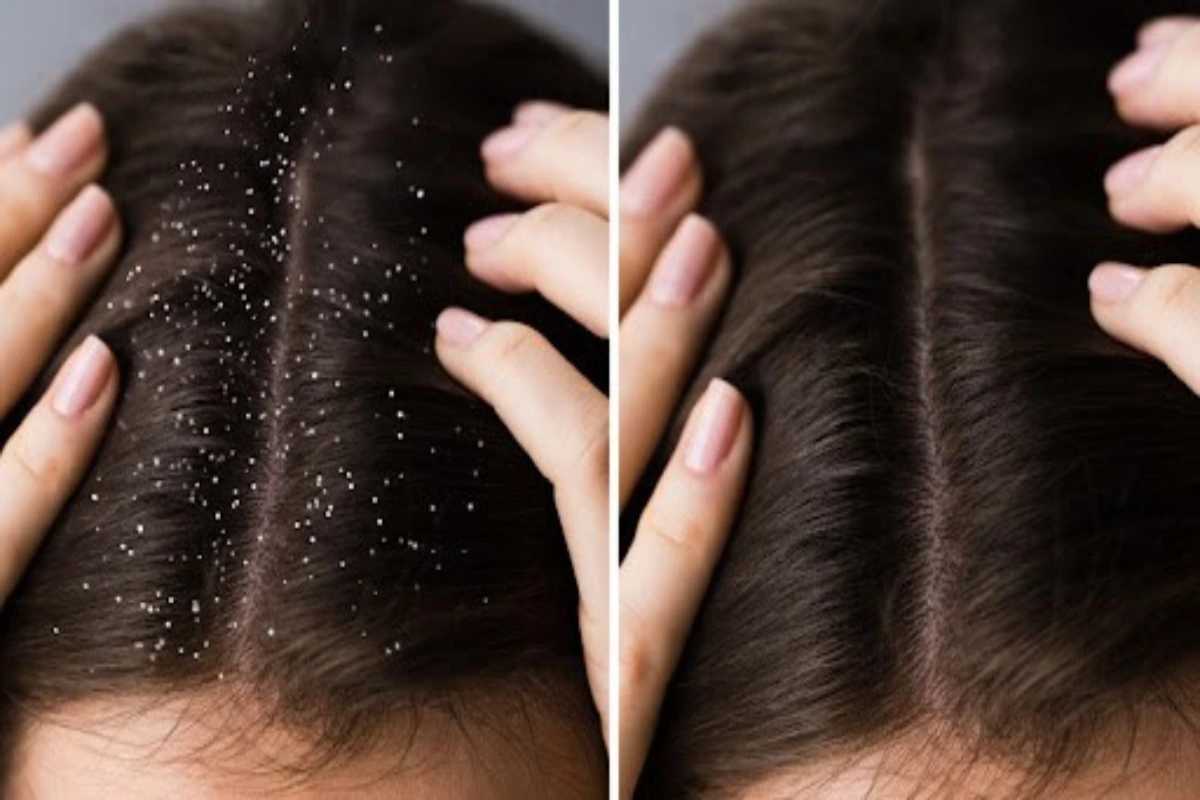
Dandruff, clinically associated with seborrheic dermatitis of the scalp, is a chronic, relapsing inflammatory condition affecting nearly half of the global adult population post-puberty. Effective management requires targeting the root causes—primarily the inflammatory response to Malassezia yeast and accelerated skin cell turnover—rather than just treating symptoms. This evidence-based guide provides a structured, actionable protocol for home care, detailing the efficacy, application, and safety of proven treatments while debunking common myths. Its recommendations are synthesized from current clinical studies, systematic reviews, and dermatology association guidelines to ensure a trustworthy, authoritative resource.
1. Introduction: Understanding Dandruff Beyond the Flakes
Dandruff is a common manifestation of a scalp condition, characterized by visible flaking, itch, and sometimes erythema. Its pathophysiology is multifaceted:
-
Primary Driver: An inflammatory skin reaction to metabolites produced by lipophilic yeasts of the genus Malassezia (particularly M. globosa and M. restricta), which are part of the normal human cutaneous flora. This reaction triggers increased keratinocyte proliferation and corneocyte cohesion issues, leading to flaking.
-
Key Distinction: It is crucial to differentiate dandruff/seborrheic dermatitis from simple dry scalp. True dandruff often occurs on oilier skin, involves inflammation, and responds to antifungal agents, whereas dry scalp is typically non-inflammatory, features smaller, drier flakes, and improves with moisturizing.
The condition shows a bimodal age distribution (peaking in young adulthood and after 50) and a higher prevalence in males. Seborrheic dermatitis, a more severe and inflammatory form, is estimated to affect approximately 11.6% of the adult population. Effective, long-term control hinges on a consistent, scientifically-grounded management plan.
2. Evidence-Based Home Treatment Protocols
First-Line Treatments: Clinically Proven Active Ingredients
The cornerstone of dandruff management involves over-the-counter (OTC) shampoos containing agents with antifungal, anti-inflammatory, or keratolytic properties. Consistent use with correct technique is paramount.
Zinc Pyrithione (1-2%)
-
Mechanism of Action: Possesses both antifungal activity against Malassezia and antiproliferative effects on scalp keratinocytes.
-
Clinical Evidence: A 2019 systematic review and meta-analysis concluded that zinc pyrithione shampoos are significantly more effective than placebo. One cited RCT demonstrated an 88.9% global improvement rate versus 29.6% for placebo in moderate dandruff.
-
Optimal Protocol: Use a 1-2% shampoo. Lather thoroughly and leave on the scalp for a full 5 minutes before rinsing. Begin with applications 2-3 times per week, tapering to once weekly for maintenance.
-
Safety & Notes: Generally well-tolerated. Some may experience initial dryness, which can be mitigated by applying conditioner only to the hair mid-lengths and ends.
Ketoconazole (1-2%)
-
Mechanism: A broad-spectrum imidazole antifungal that is highly effective against Malassezia species and has inherent anti-inflammatory properties.
-
Clinical Evidence: Considered a gold-standard treatment. A 2013 randomized, double-blind study found 2% ketoconazole shampoo was superior to 1% zinc pyrithione in reducing both scaling and itch after 4 weeks of use.
-
Optimal Protocol: Available in 1% OTC and 2% prescription strengths. Apply to wet hair, massage into scalp, and leave for 3-5 minutes before rinsing. Use twice weekly for 2-4 weeks, then once weekly or bi-weekly for maintenance.
-
Safety & Notes: May cause dryness or, rarely, hair loss or texture changes, which are usually reversible.
Salicylic Acid (1.8-3%)
-
Mechanism: A keratolytic (peeling agent) that helps break down and remove excess stratum corneum (scale) by dissolving the intercellular “glue.”
-
Clinical Evidence: Effective for reducing scale burden but does not possess strong antifungal activity. It is often recommended in combination with an antifungal agent, especially for thicker scaling.
-
Optimal Protocol: Use a shampoo containing 1.8-3% salicylic acid. Leave on for 2-3 minutes. Must be followed by a conditioner as it can be drying.
-
Safety & Notes: An excellent choice for initial descaling. Best used 1-2 times per week in rotation with an antifungal shampoo.
Selenium Sulfide (1-2.5%)
-
Mechanism: Reduces Malassezia proliferation and slows corneocyte production through antifungal and cytostatic effects.
-
Clinical Evidence: Shown to be particularly effective. It is often recommended when other agents fail.
-
Optimal Protocol: Use 1-2 times weekly. Lather and leave on for 2-3 minutes. Rinse extremely thoroughly to avoid orange-tinted discoloration of blonde, gray, or chemically treated hair.
-
Safety & Notes: Has a distinct sulfurous odor. Avoid on broken skin.
Natural Approaches with Scientific Support
Tea Tree Oil (5% shampoo formulation)
-
Mechanism: Contains terpinen-4-ol, which has demonstrated in vitro antifungal and anti-inflammatory activity.
-
Clinical Evidence: A single-blind, randomized trial published in the Journal of the American Academy of Dermatology found that a 5% tea tree oil shampoo led to a 41% improvement in dandruff severity score compared to placebo.
-
Safe Application: Never apply pure (100%) tea tree oil directly to the scalp, as it is a potent sensitizer and can cause severe contact dermatitis. Use only a properly formulated, commercially prepared 5% shampoo.
-
Safety & Notes: Always perform a patch test before first use. Not recommended for individuals with known sensitive skin or eczema.
Adjunctive Strategies and Lifestyle Modifications
While less directly impactful than medicated shampoos, these strategies support overall scalp health.
-
Dietary Considerations: No specific “dandruff diet” exists, but a balanced diet supports skin health. Some evidence suggests reducing high-glycemic foods may be beneficial, as Malassezia thrives on sebum lipids.
-
Stress Management: Psychological stress is a well-documented exacerbating factor for many inflammatory skin conditions, including seborrheic dermatitis, likely via neuroendocrine pathways.
-
Scalp Care Fundamentals: Regular, gentle cleansing (avoiding overly harsh surfactants), minimizing scratching, and using fragrance-free products if irritation is present can help maintain the skin barrier.
3. Treatment Comparison and Selection Framework
| Treatment | Strength of Evidence | Best For | Application Frequency (Initial) | Key Considerations |
|---|---|---|---|---|
| Zinc Pyrithione | Strong (Multiple RCTs & Meta-Analyses) | Mild-moderate dandruff; first-line and maintenance therapy. | 2-3x/week | Widely available, well-tolerated. Good long-term safety profile. |
| Ketoconazole | Strong (Multiple RCTs) | Moderate-severe dandruff; cases resistant to other OTC agents. | 2x/week | Considered highly effective. 2% strength may require prescription. |
| Salicylic Acid | Moderate (Established Keratolytic) | Thick scaling and buildup; used to “prep” the scalp. | 1-2x/week | Must be combined with an antifungal for long-term control. Can be drying. |
| Selenium Sulfide | Strong (Multiple RCTs) | Stubborn dandruff; specific efficacy against M. globosa. | 1-2x/week | Can discolor light hair; must rinse thoroughly. Unpleasant odor. |
| Tea Tree Oil (5%) | Moderate (One Key RCT) | Mild dandruff; preference for natural-derived options. | 3-4x/week | Significant allergy/irritation risk. Use only diluted, commercial shampoos. |
4. Building Your Personalized Treatment Plan
Dandruff is a chronic condition. Success requires a phased, strategic approach, not sporadic treatment.
Stepwise Implementation Protocol
-
Phase 1: Active Treatment (Weeks 1-4): Choose one primary antifungal agent (e.g., zinc pyrithione or ketoconazole). Use it at the recommended initial frequency (e.g., 2-3x/week for ZPT). Consistency is critical.
-
Phase 2: Consolidation (Weeks 5-8): As symptoms subside (less itch, fewer flakes), reduce the frequency of your primary agent by ~50%. If scaling was a major issue, you may introduce a keratolytic (salicylic acid) once per week.
-
Phase 3: Long-Term Maintenance (Ongoing): Find the minimum effective dose—often once every 1-2 weeks with your primary agent. Consider rotating between two agents with different mechanisms (e.g., ketoconazole one week, selenium sulfide the next) every few months to potentially minimize the chance of reduced efficacy.
Sample Treatment Schedules
-
For Mild, Typical Dandruff:
-
Monday: Zinc pyrithione 1% shampoo.
-
Thursday: Gentle, fragrance-free cleansing shampoo.
-
Sunday: Zinc pyrithione 1% shampoo (or alternate with tea tree oil 5% shampoo every other week).
-
-
For Moderate Dandruff with Scaling:
-
Monday: Ketoconazole 1% or 2% shampoo.
-
Wednesday: Salicylic acid 2% shampoo (for scale removal), followed by conditioner.
-
Friday: Zinc pyrithione 1% shampoo.
-
Weekend: Gentle cleansing shampoo as needed.
-
5. When Home Treatment Isn’t Enough: Recognizing Limits
Consult a board-certified dermatologist if you experience any of the following:
-
No improvement after 6-8 weeks of consistent, correct OTC treatment.
-
Severe symptoms: Intense redness, inflammation, thick crusting, or oozing.
-
Significant hair loss coinciding with the flare.
-
Symptoms spreading to the face (eyebrows, nasolabial folds), ears, or chest.
-
Pain or bleeding.
-
Suspicion of another condition (e.g., psoriasis, which has silvery scales and may involve other body parts; tinea capitis (ringworm), which can cause patchy hair loss).
A dermatologist can provide stronger treatments, such as prescription-topical steroids, topical calcineurin inhibitors (e.g., pimecrolimus), or even oral antifungals in severe, refractory cases.
6. Common Misconceptions and Pitfalls to Avoid
-
Myth: “Dandruff is caused by a dry scalp.”
-
Reality: While dry skin can flake, true dandruff is often associated with oily skin and inflammation. Treating it with heavy oils or avoiding shampoo typically worsens it.
-
-
Myth: “You should stop using treatment once the flakes are gone.”
-
Reality: Dandruff is chronic. Stopping treatment allows Malassezia to repopulate and inflammation to recur, usually within 1-4 weeks.
-
-
Pitfall: Not allowing sufficient scalp contact time.
-
Solution: Lathering and immediately rinsing wastes the product. 3-5 minutes of contact is essential for most active ingredients to work.
-
-
Pitfall: Using harsh or unproven home remedies.
-
Risk: Undiluted vinegar, baking soda pastes, or essential oils can severely damage the scalp’s acid mantle and skin barrier, leading to chemical irritation or burns, worsening the problem.
-
7. Maintaining Long-Term Scalp Health
Sustainable management focuses on consistency and awareness:
-
Adhere to Maintenance: Stick to your maintenance schedule even when symptoms are clear.
-
Monitor for Flares: At the first sign of returning itch or flakes, temporarily increase your treatment frequency back to the “active” phase.
-
Be Scalp-Conscious: Avoid overly harsh hair products, excessive heat styling, and tight hairstyles that pull on the scalp.
-
Manage Triggers: Note if stress, seasonal changes, or illness coincide with flares and adapt your routine accordingly.
8. Conclusion: A Realistic, Evidence-Based Path Forward
Effective dandruff control at home is a realistic goal for most individuals. It requires moving beyond the search for a “cure” and instead adopting a science-backed, consistent management strategy. By understanding the condition’s inflammatory nature, utilizing proven active ingredients with correct technique, and knowing when to seek professional help, you can achieve and maintain significant relief from symptoms and improve your overall scalp health.
Disclaimer: This guide is for informational purposes and is based on current dermatological research and clinical guidelines. It is not a substitute for professional medical advice, diagnosis, or treatment. Always consult a qualified healthcare provider, such as a board-certified dermatologist, for personal medical concerns.
Sources & Further Reading:
-
Schwartz, J. R., et al. (2013). A Comprehensive Pathophysiology of Dandruff and Seborrheic Dermatitis – Towards a More Precise Definition of Scalp Health. Acta Dermato-Venereologica, 93(2), 131–137.
-
Journal of the American Academy of Dermatology (1998). Treatment of dandruff with 5% tea tree oil shampoo. 39(5), 852-855.
-
Skin Appendage Disorders (2019). Efficacy and Safety of Zinc Pyrithione Shampoo for Dandruff: A Systematic Review and Meta-Analysis.
-
Journal of Dermatological Treatment (2013). Ketoconazole shampoo: effect of long-term use in androgenic alopecia.
-
Borda, L. J., & Wikramanayake, T. C. (2015). Seborrheic Dermatitis and Dandruff: A Comprehensive Review. Journal of Clinical and Investigative Dermatology, 3(2).