

What is Serotonin?
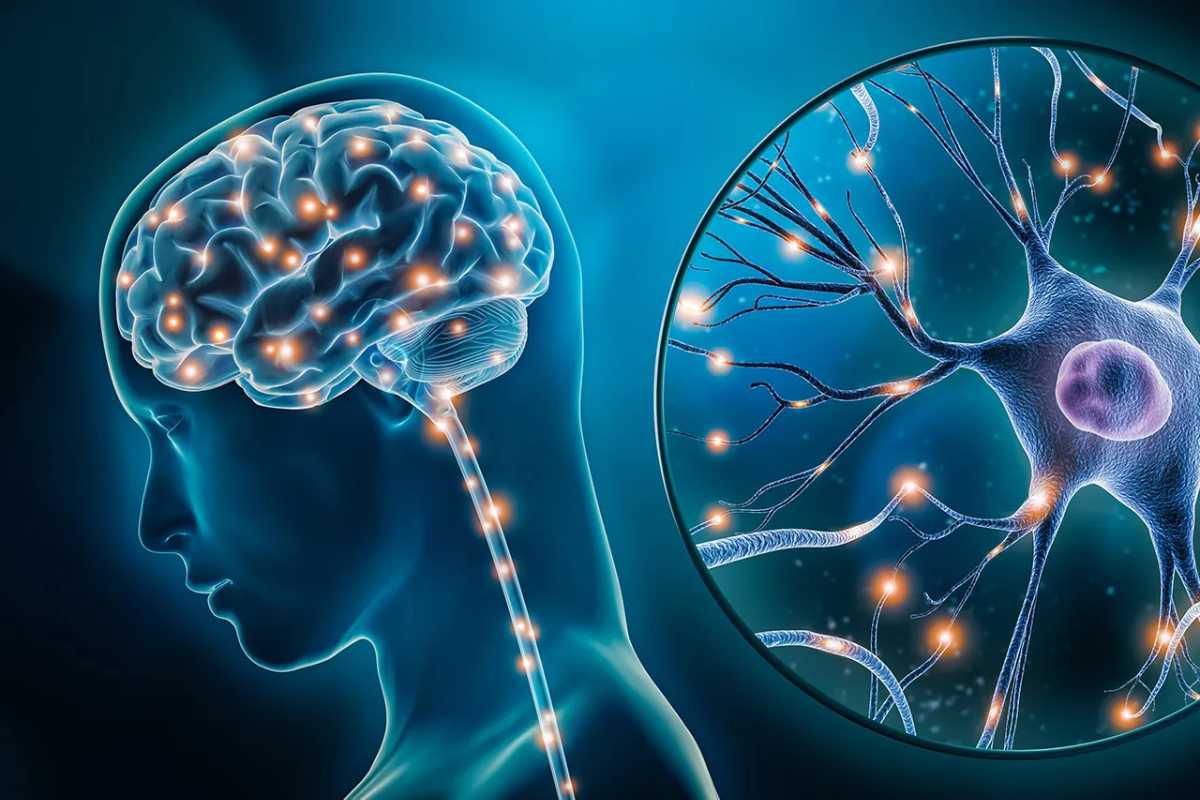
Serotonin is an important hormone that stabilizes our mood, feelings of well-being, and happiness. This hormone affects your entire body. It allows brain cells and other cells in the nervous system to communicate with each other.
Serotonin also helps with sleep, food, and digestion. However, if there is too little of it in the brain, it can lead to depression. If there is too much of it in the brain, it can lead to the over-activity of nerve cells. It also helps decrease depression, regulates anxiety, and maintains bone health. How Does Your Body Use it?
Your body uses serotonin in various ways:
1. Mood
Serotonin is in the brain. Regulates mood, happiness, and anxiety. Low levels are connected to depression, while increased levels of the hormone can reduce arousal.
2. Bowel movements
Serotonin is present in the stomach and intestines. It helps to control bowel movements and function.
3. Nausea
Serotonin is produced when one becomes nauseous. Its production increases to help remove bad food or other substances from the body. It also grows in the blood, which stimulates the part of the brain that controls nausea.
4. To sleep
Serotonin is accountable for stimulating the parts of the brain that control sleep and wakefulness. Whether you sleep or wake up depends on the area that is produced and its receptor.
5. Blood clotting
Serotonin is released to help heal wounds. It causes small arteries to narrow, which allows blood clots to form.
6. Bone health
Having very high levels in your bones can lead to osteoporosis, which makes your bones weaker.
How does it affect your mental health?
Serotonin naturally helps regulate mood. When your levels are usual, you should feel more focused, emotionally stable, happier, and calmer.
Serotonin’s Role in Sleep and Internal Rhythms
Serotonin helps regulate your body’s internal clock and supports production of sleep-related hormones. When your serotonin is healthy, you’re likely to find it easier to fall asleep, enjoy deeper sleep, and wake up feeling refreshed. An internal rhythm regulated by serotonin supports consistent sleep and wake cycles, which in turn supports better mood, energy, and daily performance.
Connection Between Serotonin and Digestion
Because most serotonin in the body is produced in the intestines, gut health is deeply connected to how well serotonin works. A healthy digestive system supports smooth digestion, stable appetite, and regular bowel movements. When digestion is balanced, the body is better positioned to maintain optimal serotonin levels, which then positively impacts mood, energy, and overall well-being.
Signs That Serotonin Might Be Low
When serotonin balance is disrupted, it can affect both mind and body. You may experience persistent feelings of sadness or anxiety, trouble sleeping, ongoing fatigue, frequent cravings (especially for carbohydrates or sweets), reduced focus, or digestive discomfort. If these signs persist, they may indicate that serotonin or overall neurotransmitter balance needs support — ideally under guidance from a health professional.
What are the problems of Low Levels?
Low levels often dealt with many behavioural and emotional disorders. Research has exposed that low levels can lead to depression, anxiety, suicidal behaviour, and obsessive-compulsive disorder. If you practice any of these thoughts or feelings, see your doctor immediately. The sooner the treatment starts, the faster you will notice the improvement.
What are the problems of High Levels?
Serotonin syndrome can occur with medications that increase the effects of it, leads to side effects. Too much of it can cause mild indications such as shaking, heavy sweating, confusion, anxiety, headaches, high blood pressure, muscle twitching, and diarrhoea. More severe symptoms include high fever, fainting, seizures, or an uneven heartbeat.
Serotonin syndrome can occur to anyone, but some people are at higher risk. You are at higher risk if you increase the dose of a drug known to increase the level of it or take more than one drug identified to increase its levels. You may also be in danger if you take herbal additions or illegal drugs known to increase their levels.
Conclusion
Serotonin plays a central role in how you feel, sleep, digest, and function each day. When this important neurotransmitter is in balance, your mood is steadier, your sleep rhythms improve, and your overall well-being feels more stable. Because most serotonin is produced in the gut, supporting a healthy lifestyle — including nourishing foods, regular movement, stress management, sunlight exposure, and good sleep habits — can make a meaningful difference.