

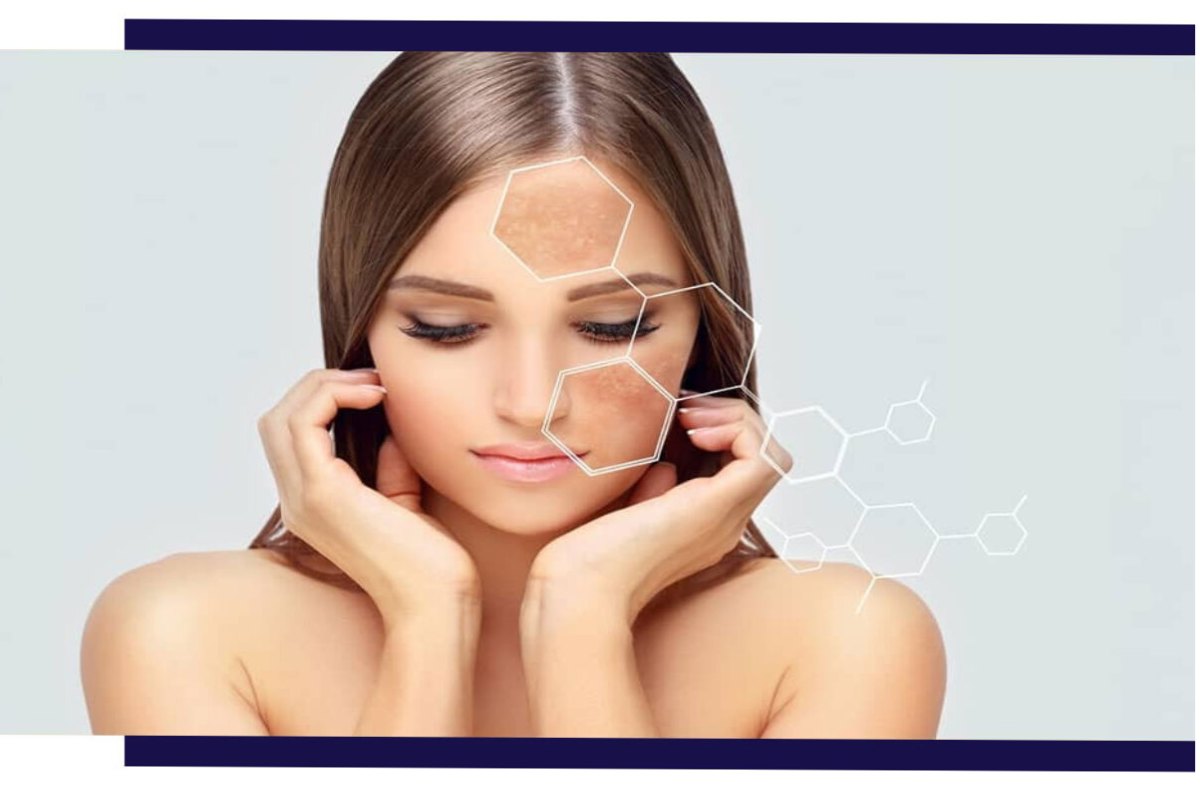
Pigmentation concerns such as dark patches, uneven tone, and persistent discoloration can significantly affect a person’s confidence. These issues often develop gradually and may worsen over time due to sun exposure, hormonal changes, inflammation, and aging. While topical products can offer some improvement, many individuals look for long-term, targeted solutions that address pigment at its source. Advancements in dermatology have made it possible to treat pigmentation more precisely and effectively, helping individuals achieve clearer and more radiant skin. Understanding how these treatments work can empower you to make informed decisions about your skin health.
Understanding How Skin Pigmentation Treatment Works
Modern pigment correction methods focus on controlling melanin production, repairing damaged cells, and encouraging a more even complexion. Many individuals find significant improvement through skin pigmentation treatment Singapore, as it combines science-driven technologies with customized dermatological care. These treatments aim to lighten dark patches, refine overall tone, and reduce the appearance of persistent pigmentation.
Pigmentation forms when the skin produces excess melanin, often triggered by sun exposure, hormonal fluctuations, inflammation, or previous injuries like acne. Over time, these darkened areas may spread or become more noticeable, especially without proper sun protection. Dermatologists evaluate each patient’s skin type and the underlying cause of discoloration to recommend the most suitable treatment approach. Since pigmentation varies widely, a tailored plan is vital for safe and effective improvement.
Common Types of Pigmentation that Dermatologists Treat
Pigmentation comes in several types, and each requires a specific approach. Identifying the type of pigmentation makes treatment more precise and increases the likelihood of successful results.
Melasma
Usually triggered by hormones and sun exposure, melasma appears as brown or greyish patches on the cheeks, upper lip, or forehead.
Post Inflammatory Hyperpigmentation
These dark marks develop after acne, burns, cuts, or other injuries. They often fade naturally but can persist for months without treatment.
Sunspots
Excessive sun exposure can lead to flat, dark spots on areas frequently exposed to sunlight, such as the face and hands.
Freckles
These small, light brown spots usually develop due to genetics and sun exposure. They may darken or increase in number with more sun exposure.
Age Spots
As the skin matures, flat and darker patches may form due to prolonged UV damage accumulated over the years.
Popular Dermatological Treatments for Pigmentation
Advanced dermatology offers a wide range of treatment options, each designed to target pigment at different layers of the skin. These methods improve clarity, evenness, and radiance over time.
Laser Therapy
Lasers break down melanin clusters, allowing the body to naturally clear them. Different laser types are used based on skin sensitivity and pigment depth.
Chemical Peels
Peels exfoliate the upper layers of the skin, helping lighten dark spots and promoting smoother texture and tone.
Topical Prescriptions
Dermatologists may recommend creams containing active ingredients that regulate melanin production and speed up skin cell turnover.
Microdermabrasion
This technique gently sands the skin, removing the outer layer and encouraging the growth of fresher, brighter skin.
Combination Treatments
Often, dermatologists pair several methods to achieve better and faster results, especially for stubborn pigmentation conditions.
Benefits of Advanced Pigment Care
Pigment correction treatments do more than simply lighten dark spots. They also help restore overall skin health and longevity.
More Even Skin Tone
Consistent treatment reduces patchiness, promoting smoother and more balanced complexion.
Brighter and More Radiant Skin
By renewing the outer layers, the skin appears fresher and naturally glowing.
Improvement in Texture
Some treatments also stimulate collagen, resulting in smoother and firmer skin.
Reduced Appearance of Age Spots
Targeted pigment reduction helps diminish signs of aging.
Boosted Confidence
Clearer skin often contributes to a renewed sense of confidence and comfort.
When to Seek Professional Help
Although many pigmentation issues can be managed with proper skincare and sun protection, there are times when professional treatment is necessary. Consider seeing a dermatologist if you experience:
- Dark spots that continue to grow or darken
- Patchy discoloration that does not improve with over the counter products
- Pigmentation caused by hormonal changes or long term sun exposure
- Marks left behind from acne that do not fade naturally
- Discoloration that affects your confidence or daily life
A professional assessment ensures accurate diagnosis and a personalized care plan.
Achieving Clearer Skin through Consistent Care
Restoring skin clarity is a gradual process. Professional treatments can significantly improve pigmentation, but long term maintenance relies on consistent skincare habits. This includes daily sunscreen use, gentle exfoliation, and adherence to dermatologist recommended products. Clearer skin develops through a combination of effective clinical treatments and mindful at home care. When done consistently, these habits support longer lasting radiance and prevent future pigmentation problems.
Commonly Asked Questions
How long does it take to see results from pigmentation treatments?
Results vary based on the treatment method and severity of pigmentation. Many individuals see visible improvement within a few weeks, while deeper pigmentation may require multiple sessions over several months.
Can pigmentation return after treatment?
Yes, pigmentation can return if sun protection is neglected or if hormonal triggers persist. Consistent sunscreen use and proper maintenance help reduce recurrence.
Are pigmentation treatments suitable for all skin types?
Most treatments can be adapted for different skin types, but some technologies are more suitable for certain tones. A dermatologist will assess your skin and recommend the safest options.
Do pigmentation treatments hurt?
Some treatments cause mild warmth or tingling, while others may feel slightly prickly. Comfort measures such as numbing creams are often used to minimize discomfort.
Can pigmentation be completely removed?
Some pigmentation can be significantly lightened or nearly eliminated, but results depend on the type, depth, and cause of discoloration. Early treatment improves the chances of achieving clearer skin.
Next Steps
If you want to improve your skin clarity and address persistent discoloration, scheduling a consultation with a dermatologist can help you understand the most suitable treatment options. With a personalized plan and consistent care, clearer and more radiant skin becomes an achievable goal.