

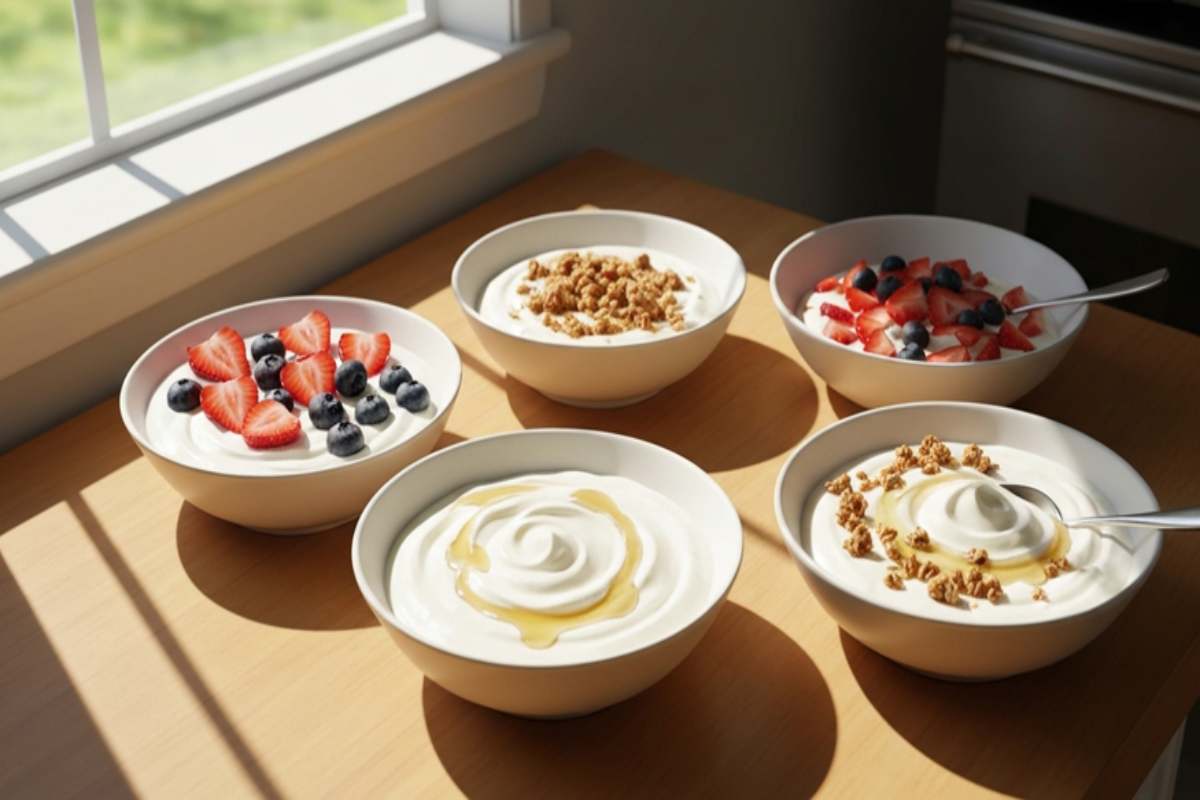
In a yogurt aisle overflowing with options, Chobani has risen from a small upstart to a household name, championing the Greek yogurt revolution. But does the reality live up to the hype, or is it just clever marketing? We went beyond the label, conducting a thorough analysis and blind taste test to give you an unbiased, detailed review. Whether you’re a fitness enthusiast, a health-conscious parent, or just looking for a tasty snack, this guide breaks down everything you need to know.
Quick Verdict: Who Should Buy It?
- Buy Chobani if: You prioritize a thick, creamy texture and a wide variety of innovative flavors (including plant-based and zero-sugar options). It’s an excellent choice for those seeking a convenient, high-protein snack, especially fans of the “Flip” mix-in creations.
- Consider alternatives if: Your primary goal is minimizing sugar without using sugar substitutes (opt for Fage Plain), you’re on an extremely tight budget (store brands are cheaper), or you prefer a less tart, milder Greek yogurt (Siggi’s is less tangy).
- Our Bottom Line: Chobani delivers on texture and variety. By choosing plain, “Less Sugar,” or “Zero Sugar” varieties, you get a fantastic, high-protein dairy product. Be vigilant with flavored and “Flip” options, as their sugar content can be surprisingly high.
Detailed Nutrition Analysis
Let’s cut through the marketing. Greek yogurt is praised for its nutrition, but not all cups are created equal. Here’s what’s really inside your Chobani.
Protein Content Per Serving
Protein is the star of the Greek yogurt show. Chobani’s straining process removes excess whey, concentrating the protein.
- Plain Non-Fat (5.3oz): 14g of protein. This is the gold standard, offering an impressive amount of satiating protein for only 80 calories.
- Complete Drink (10oz): 20g of protein. Designed as a post-workout option, it’s a quick liquid protein source.
- Flavored & Fruit Varieties (5.3oz): 11-13g of protein. The addition of fruit or flavorings slightly dilutes the protein density but it remains high.
- Plant-Based (5.3oz): 5-6g of protein. Made from oat or coconut milk, these have significantly less protein than dairy-based versions.
- Verdict: For maximizing protein, stick to plain dairy varieties. Chobani’s protein content is competitive and reliable.
Sugar Levels (Plain vs Flavored)
This is the most critical distinction for health-conscious buyers.
- Plain (Any Fat %): 4-5g of total sugar. This is naturally occurring milk sugar (lactose). There is no added sugar. This is the healthiest choice.
- “Less Sugar” Line: 9g total sugar (5g added sugar). A good compromise, using a blend of sugar and natural sweeteners like monk fruit.
- “Zero Sugar” Line: 0g sugar. Uses allulose and monk fruit extract. Provides sweetness without carbs or calories, though some detect a slight aftertaste.
- Fruit on Bottom & Most Flavored: 15-18g total sugar (10-14g added sugar). This is a substantial amount, equivalent to 3-3.5 teaspoons of added sugar.
- Flip Cups: Up to 20g total sugar. The mix-ins (candy, chocolate, granola) drive the sugar content very high.
- Verdict: The sugar gap between plain and flavored is enormous. Always check the “Added Sugars” line on the nutrition label.
Probiotics & Live Cultures
Chobani contains live and active cultures, including L. acidophilus, L. casei, and Bifidobacterium. These are beneficial bacteria that can support gut health by helping to maintain a balanced microbiome. It’s worth noting that while present, Chobani is not a therapeutic probiotic supplement. The specific strains and amounts are not disclosed, and the cultures are primarily used for fermentation.
Ingredient Breakdown
Simplicity is a strength:
- Plain Non-Fat: Cultured Non-Fat Milk. That’s it.
- Strawberry Fruit on Bottom: Cultured Non-Fat Milk, Strawberries, Cane Sugar, Fruit Pectin, Natural Flavors, Locust Bean Gum, Vegetable Juice (for color).
- The takeaway? The ingredient list grows with complexity. For the purest product, plain is unbeatable.
Benefits of Chobani Greek yoghurt
According to www.helloguthealth.org this yoghurt has various health benefits. For context, we’ll compare a few key factors against Tamar Valley yoghurt – which is a similar yoghurt in this category.
- Protein: Chobani’s main selling point is that it is high in protein. It is 8.6% protein, whereas Tamar Valley is 5%.
- Fat: Chobani has less than half the fat of Tamar Valley – 4% vs 9.6%
- Sodium: Chobani also has less than half the sodium of Tamar Valley – it has 32mg per 100g vs 76mg per 100g. (However, even the Tamar Valley level of sodium is still considered low.)
- Calcium: Chobani performs worse in terms of calcium compared to Tamar Valley – 100mg per 100g vs 148mg per 100g.
Taste Test & Texture
Plain vs Flavored Varieties
- Plain Non-Fat: Expect a pronounced tangy, tart flavor and a dense, creamy texture. It’s less bitter than some store brands and has a clean, fresh dairy taste. Perfect as a base.
- Plain Whole Milk: Significantly richer, milder, and less tart. The fat content provides a luxurious mouthfeel. Our testers preferred this for eating straight.
- Vanilla “Less Sugar”: Mild, pleasant vanilla flavor without overwhelming sweetness. The texture remains excellent.
- Zero Sugar Vanilla: Very sweet with a noticeable cooling aftertaste (from monk fruit) and a slightly less creamy texture (allulose can inhibit thickening).
- Flip Almond Coco Loco: The mix-in (chocolate almonds & coconut) provides great crunch and flavor, but transforms it into a dessert-like experience.
Comparison: Oikos vs Fage vs Chobani
We conducted a blind triangle test with plain, non-fat varieties:
- Texture: Chobani and Fage tied for first—incredibly thick, creamy, and non-gummy. Oikos was slightly grainier for some testers.
- Taste: Fage was the most tart/acidic. Chobani was tangy but slightly milder. Oikos was the mildest, almost neutral.
- Overall: Chobani struck the best balance for most tasters: superior texture with a flavorful but not overwhelming tang.
Price & Where to Buy
Cost per Ounce Comparison
- Chobani (5.3oz plain): ~$1.25 – $1.50 per cup ($0.24 – $0.28/oz)
- Fage (5.3oz plain): ~$1.50 – $1.75 per cup ($0.28 – $0.33/oz)
- Oikos (5.3oz plain): ~$1.00 – $1.25 per cup ($0.19 – $0.24/oz)
- Store Brand (e.g., Kirkland, Great Value): ~$0.65 – $0.90 per cup ($0.12 – $0.17/oz)
- Verdict: Chobani is priced as a premium brand but often goes on sale. Oikos and store brands typically undercut it on price.
Best Retailers (UK/US)
- US: Widely available at Walmart, Target, Kroger, Costco (excellent value for multi-packs), and Amazon Fresh.
- UK: Found in Tesco, Sainsbury’s, Waitrose, Ocado, and Holland & Barrett. The range may be slightly more limited than in the US.
Health Benefits
For Weight Loss
A powerful tool if used correctly. The high protein (14g) in plain Chobani promotes significant satiety, helping you feel full longer. The low calorie count (80 for non-fat plain) allows for a nutrient-dense, satisfying snack. Crucial: Avoid the high-sugar varieties, which can have over 200 calories and spike blood sugar.
For Muscle Building
An ideal post-workout or between-meal snack. The combination of high-quality dairy protein (containing all essential amino acids, including leucine for muscle synthesis) and fast-digesting whey and slow-digesting casein makes it excellent for muscle repair and growth. Pair it with a carb source post-workout for optimal recovery.
For Gut Health
The live and active cultures can contribute to a healthy gut microbiome, aiding digestion and potentially supporting immune function. For general maintenance, it’s a good dietary inclusion. For specific probiotic needs, a dedicated supplement may be more effective.
Potential Drawbacks
The Sugar Trap: The biggest pitfall is inadvertently choosing a high-sugar flavored option, thinking it’s universally healthy.
Not Lactose-Free: It contains less lactose than regular yogurt, but is not suitable for those with a severe lactose intolerance.
Price Premium: You pay more for the brand and texture compared to store brands.
Allulose Sensitivity: The “Zero Sugar” line uses allulose, which can cause bloating or GI distress in some individuals when consumed in large amounts.
FAQ About Chobani Greek Yogurt
Q: Is Chobani actually Greek yogurt?
A: Yes, it’s made using the authentic straining process that removes whey, giving it a thick texture and high protein content. It’s now primarily made in the US.
Q: Can I eat it if I’m lactose intolerant?
A: It depends on sensitivity. It has less lactose than milk, but still contains some. Those with mild intolerance may tolerate it, especially paired with a meal. Try a small amount first.
Q: What’s the healthiest Chobani variety?
A: Plain Non-Fat or Whole Milk. No added sugar, maximal protein, minimal ingredients.
Q: Does Chobani use artificial sweeteners?
A: Not typically. The “Zero Sugar” line uses allulose and monk fruit, which are natural, non-nutritive sweeteners. Other lines use cane sugar or fruit.
Q: Is the plant-based version a good protein source?
A: No. With only 5-6g of protein per serving, it’s not comparable to dairy-based Greek yogurt. Choose it for dietary preference (vegan, dairy-free), not for high protein.
Recipe Ideas Using Chobani
Transform your Chobani from a snack into a culinary tool:
- Savory Creamy Dip: Mix plain Chobani with garlic powder, dill, lemon zest, and a pinch of salt for a vegetable dip.
- High-Protein Pancakes: Substitute half the oil/butter in pancake mix with plain Chobani for fluffy, protein-packed pancakes.
- Frozen Yogurt Bark: Spread flavored “Less Sugar” yogurt on a parchment-lined tray, top with berries and nuts, freeze, and break into pieces.
- Marinade Magic: Use plain yogurt as a base for marinades (especially for chicken or lamb)—the acidity tenderizes meat beautifully.
- Healthy “Crema”: Thin plain yogurt with a little lime juice and drizzle over tacos or burrito bowls.
Final Thought
Chobani’s strength is its versatility and quality texture. By making informed choices—prioritizing plain varieties and reading labels to manage sugar—you can confidently make it a nutritious and delicious part of your diet.