

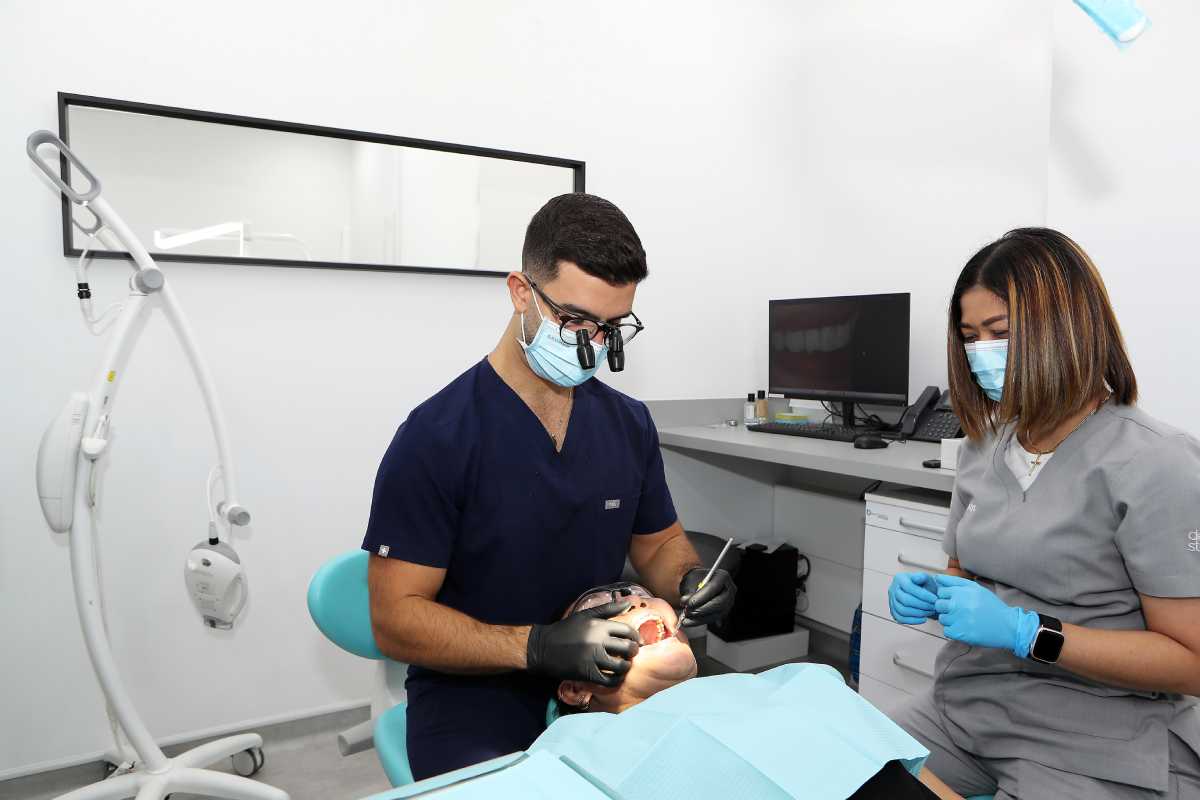
Ever wondered what it would be like to bring home more of your earnings, practice in a top-tier medical facility, and live in a city where safety isn’t something you have to second-guess?The Gulf has become an attractive destination for dentists because of what it can mean for their professional growth, financial and personal well-being.
The UAE does not levy personal income tax on individuals, while its Golden Visa offers eligible foreign professionals long-term residence, the ability to live without a sponsor, stay outside the UAE for longer periods, and sponsor family members. But, before you start searching for dentist jobs in Gulf, it helps to understand what the move actually involves.
What Is It Like to Work There?
Your day-to-day really comes down to where and who you’re working for.
>In major hubs like Dubai and Abu Dhabi, you’ll find yourself in everything from boutique private clinics to sprawling hospital networks treating a deeply multicultural patient base, while Saudi Arabia offers a robust mix of both government and private healthcare settings.
Because of that variety, looking at just the base salary won’t give you the full picture. It helps to weigh the entire package; everything from your daily commute and shift hours to housing allowances, insurance, annual leave, and opportunities for growth to see how the role actually fits into your life.
What License Do You Need?
Dubai: DHA
If you’re aiming for Dubai, you’ll need to go through the Dubai Health Authority (DHA) licensing process.
A good first step is running your details through the DHA’s Self-Assessment Tool to see if your background lines up with the Unified Healthcare Professional Qualification Requirements (PQR).
>If you’re a General Dentist, that typically means holding a recognized BDS, DMD, DDS, or equivalent, finishing your internship, and racking up two years of clinical experience.
Once you know you’re eligible, you’ll tackle Primary Source Verification via DataFlow and clear the required assessment.
Depending on your case, DHA may require a computer-based test or an oral assessment. Registration must then be activated by a hiring healthcare facility before you can practise.
That means the DHA exam for dentists should not be treated as an identical requirement for every applicant; the assessment route depends on your individual case.
Abu Dhabi: DoH
For Abu Dhabi, licensing is handled by the Department of Health (DoH).
New professional license applications go through the TAMM platform, where your documents get verified. After the Department of Health (DoH) confirms everything, you’re cleared to book your exam.
>Keep in mind that while the UAE shares a unified PQR for baseline standards, the DoH specifically handles licensing if you’re practising in Abu Dhabi.
Saudi Arabia: SCFHS
Over in Saudi Arabia, getting classified and registered is handled by the Saudi Commission for Health Specialities (SCFHS).
You begin with your Professional Classification, which you apply for directly through the Mumaris+ portal.
SCFHS states that non-Saudi applicants generally need at least one year of professional experience, subject to the requirements. After that, professional registration is required before practising.
The Saudi dental licensing exam, officially listed by SCFHS as the Professional Dental Licensure Examination, is part of the professional practice examination system, the examination information and blueprints of which are published on its official platform.
Where Can You Find Dental Jobs?
This depends entirely on your target emirate or country.
>In Dubai, the DHA Opportunities portal is the main hub for active vacancies.
>Abu Dhabi applicants should keep an eye on the Department of Health’s Kawader platform as well as direct hospital career pages.
>For Saudi Arabia, your best bet is starting with the Ministry of Health’s recruitment portal or the career pages of private healthcare networks. You’ll likely stumble across Jadarat, the country’s unified employment platform, during your search, but double-check the eligibility criteria for each listing before applying.
>
While general job boards like LinkedIn and NaukriGulf cast a wide net, healthcare roles often get buried beneath thousands of unrelated listings. Dentists looking for a more targeted hunt usually find better luck on medical-specific boards like Jobslly Relying on a single platform is a quick way to miss out, so it pays to mix broad search engines with niche sites.
Is the Gulf Right Fit for You?
A move to the Gulf is ultimately a personal career-and-lifestyle decision. The potential advantages includes international clinical exposure, multicultural workplaces, modern healthcare settings, favourable personal taxation in the UAE, and long-term residency options.
Before accepting an offer, look beyond the headline salary. Review your licence status, contract, working hours, incentives, insurance, leave, accommodation, and professional development opportunities.
Licensing can be one of the most confusing parts of the move; therefore, getting the right guidance can save you from navigating every requirement by trial and error.
Many dentists turn to Academically for structured preparation because the guidance comes from professionals who have themselves navigated the Gulf licensing journey and are now practising there. Instead of preparing for an examination blindly, the focus is on understanding the steps, meeting the relevant requirements, and preparing for the transition into practice.
The Gulf Dental Exam can be a useful starting point for understanding the preparation route. Moving to the Gulf for a dental practice is rarely just a change of scenery. For the right practitioner, it’s a strategic decision that blends accelerated career growth, smart financial planning, and a completely different lifestyle.