

Electronic cigarettes should be approached as a harm-reduction tool with trade-offs, not a casual lifestyle choice. The right decision depends on your current habits, goals, and risk awareness—not just the device you pick.
Most beginner guides rush you toward buying a device. That creates confusion, wasted money, and sometimes worse—nicotine dependence without intention. The better approach is simple decide first, then choose.
- If you smoke, switching fully to e-cigarettes may reduce harm.
- If you don’t smoke, you should not start vaping.
- If you want to quit nicotine, vaping can help—but only with a plan.
This guide focuses on clarity, not hype. You’ll learn what matters, what doesn’t, and how to avoid beginner mistakes that most people only discover the hard way.
Should You Use Electronic Cigarettes at All?
Most people skip this question—and that’s the biggest mistake.
If You Smoke
Switching from cigarettes to vaping removes combustion, which is the primary source of harmful chemicals in tobacco smoke. That’s why organizations like Public Health England have suggested vaping may be less harmful than smoking.
But there’s a condition: you must switch completely.
Smoking vs Vaping Outcomes
| Usage Pattern | Health Impact | Practical Reality |
| Smoking only | Highest risk | Traditional habit |
| Dual use | Moderate reduction | Common but ineffective |
| Full switch to vaping | Lower risk (relative) | Requires discipline |
Many beginners unintentionally become dual users, which limits the benefits.
If You Don’t Smoke
Starting vaping introduces risks without any real benefit.
What You Introduce
| Factor | Impact |
| Nicotine | Addiction risk |
| Chemicals | Long-term uncertainty |
| Habit | Behavioral dependency |
Organizations like the World Health Organization strongly advise non-smokers not to start.
If You Want to Quit Nicotine
Vaping can act as a stepping stone—but not a solution by itself.
Success Factors
| Factor | Why It Matters |
| Gradual reduction | Avoids withdrawal shock |
| Controlled usage | Prevents overuse |
| Exit strategy | Ensures you don’t stay dependent |
Without a plan, vaping often becomes a substitute—not an exit.
What Electronic Cigarettes Actually Are
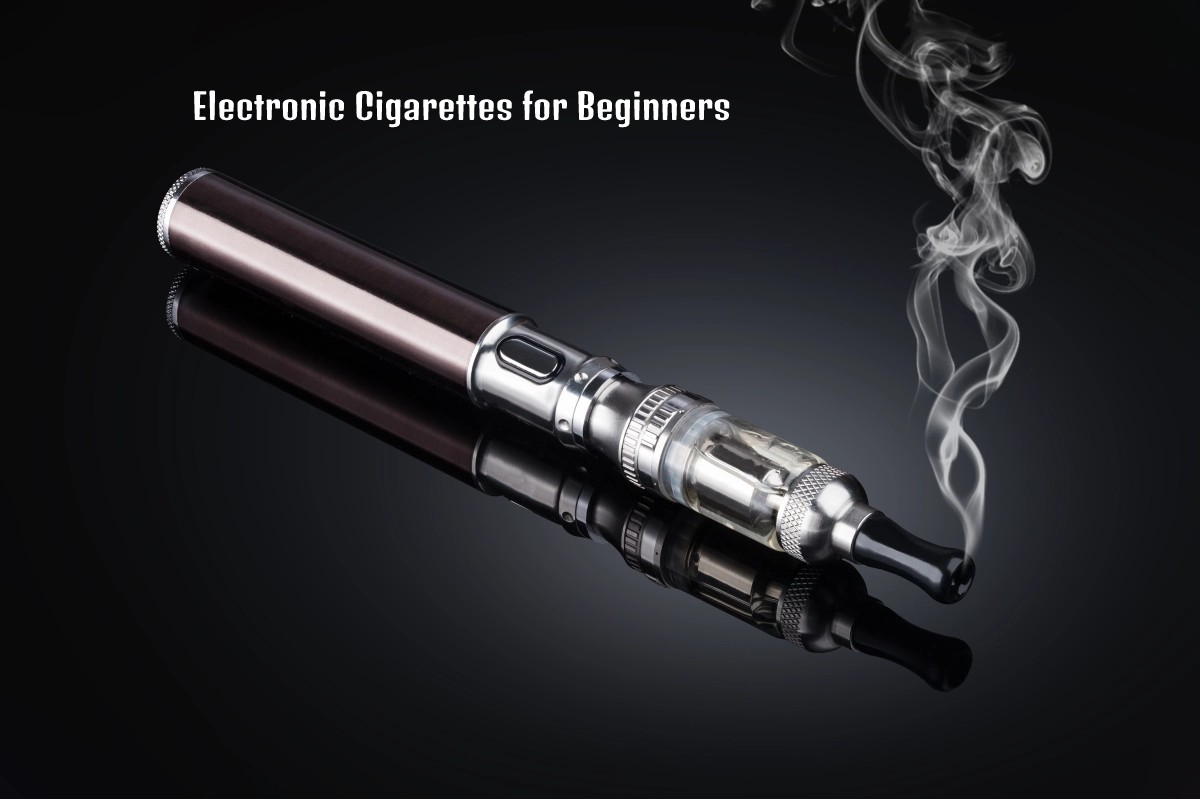
Electronic cigarettes are battery-powered devices that heat liquid into an aerosol. This is not “water vapor,” despite common myths.
Modern devices evolved from early designs by Hon Lik, but today’s versions are far more efficient at delivering nicotine.
Core Components
| Component | Function |
| Battery | Powers the device |
| Coil | Heats the liquid |
| E-liquid | Produces inhalable aerosol |
Types of Device
Beginners often get overwhelmed by options. In reality, you only need to understand three categories.
Device Comparison
| Feature | Pod Systems | Vape Pens | Mods |
| Ease of use | Very easy | Moderate | Complex |
| Maintenance | Low | Medium | High |
| Size | Compact | Medium | Large |
| Learning curve | Minimal | Moderate | Steep |
| Best for | Beginners | Intermediate users | Hobbyists |
Practical Insight
- Pod systems dominate beginner usage because they remove complexity
- Vape pens offer more control but require effort
- Mods are not beginner-friendly despite online hype
Example Scenario
| User Type | Best Choice | Why |
| New smoker switching | Pod system | Simple and effective |
| Curious beginner | Pod system | Low risk of misuse |
| Tech enthusiast | Vape pen (later) | Gradual learning |
Nicotine Explained for Beginners
Nicotine is the most important—and most misunderstood—part of vaping.
What Nicotine Does
| Effect | Explanation |
| Addiction | Reinforces repeated use |
| Stimulation | Short-term alertness |
| Relaxation | Temporary calming effect |
Types of Nicotine
| Type | Experience | Absorption | Use Case |
| Freebase | Strong hit | Slower | Light users |
| Nicotine salts | Smooth | Faster | Beginners |
Choosing the Right Strength
| User Profile | Suggested Approach |
| Light smoker | Lower strength |
| Moderate smoker | Medium strength |
| Heavy smoker | Controlled higher start, then reduce |
Real-World Example
A beginner chooses high nicotine → feels dizzy → stops using → concludes vaping is bad.
The issue wasn’t vaping—it was incorrect nicotine selection.
Health Reality – What Science Says (and Doesn’t)
Understanding risk is critical for informed decisions.
Organizations like the Centers for Disease Control and Prevention emphasize that vaping is not safe.
What We Know
| Finding | Meaning |
| No combustion | Fewer toxic chemicals |
| Nicotine present | Addiction risk remains |
| Reduced exposure | Relative improvement vs smoking |
What We Don’t Know
| Unknown Area | Concern |
| Long-term lung effects | Lack of 20+ year data |
| Flavor chemicals | Inhalation safety unclear |
| Heart impact | Ongoing research |
Key Insight
Vaping only makes sense when compared to something more harmful—not on its own.
The Beginner Setup Framework
Instead of confusion, follow a structured approach.
Step-by-Step Setup
| Step | Action | Goal |
| 1 | Choose pod system | Simplicity |
| 2 | Select nicotine | Match tolerance |
| 3 | Pick flavor | Improve satisfaction |
| 4 | Learn maintenance | Avoid issues |
First Week Expectations
| Day Range | Experience |
| Day 1–2 | Adjustment phase |
| Day 3–5 | Stable usage |
| Day 6–7 | Fine-tuning nicotine |
Common Beginner Mistakes
| Mistake | Problem | Fix |
| High nicotine | Dizziness, discomfort | Reduce level |
| Complex device | Frustration | Start simple |
| Constant use | Increased dependency | Set limits |
| Marketing trust | Misleading expectations | Rely on evidence |
Cost Reality – Is Vaping Cheaper?
Cost depends entirely on usage behavior.
Cost Comparison
| Usage Style | Cost Outcome |
| Controlled replacement | Lower than smoking |
| Frequent casual use | Similar cost |
| Hobby-level use | Higher cost |
Example
| User | Behavior | Cost Result |
| User A | Uses only when needed | Saves money |
| User B | Uses continuously | Spends more |
Devices don’t determine cost—habits do.
The Behavioral Trap Most Beginners Don’t See
Cigarettes have a natural endpoint—you finish one and stop.
Vaping removes that boundary.
Behavioral Comparison
| Factor | Smoking | Vaping |
| Usage limit | Fixed (1 cigarette) | Unlimited |
| Social restriction | High | Low |
| Frequency | Controlled | Easily increased |
This is why many users unknowingly increase nicotine intake.
A Smarter Way to Approach Vaping
Before starting, ask yourself three questions.
Decision Framework
| Question | Why It Matters |
| What is my goal? | Defines usage |
| What risks am I accepting? | Builds awareness |
| What is my exit plan? | Prevents long-term dependency |
Example Scenarios
| User Goal | Recommended Approach |
| Quit smoking | Full switch + gradual nicotine reduction |
| Experiment | Avoid nicotine or reconsider |
| Reduce harm | Controlled usage |
Conclusion
Electronic cigarettes are not a shortcut to safety—they are a tool with consequences. When used intentionally, especially by those transitioning away from smoking, they can serve as a harm-reduction option. However, when used casually or without a clear purpose, they often lead to increased nicotine dependence and unstructured usage patterns.
The smartest beginner doesn’t chase trends or devices. Instead, they focus on understanding why they’re using it, what they’re inhaling, and what trade-offs they’re willing to accept.