

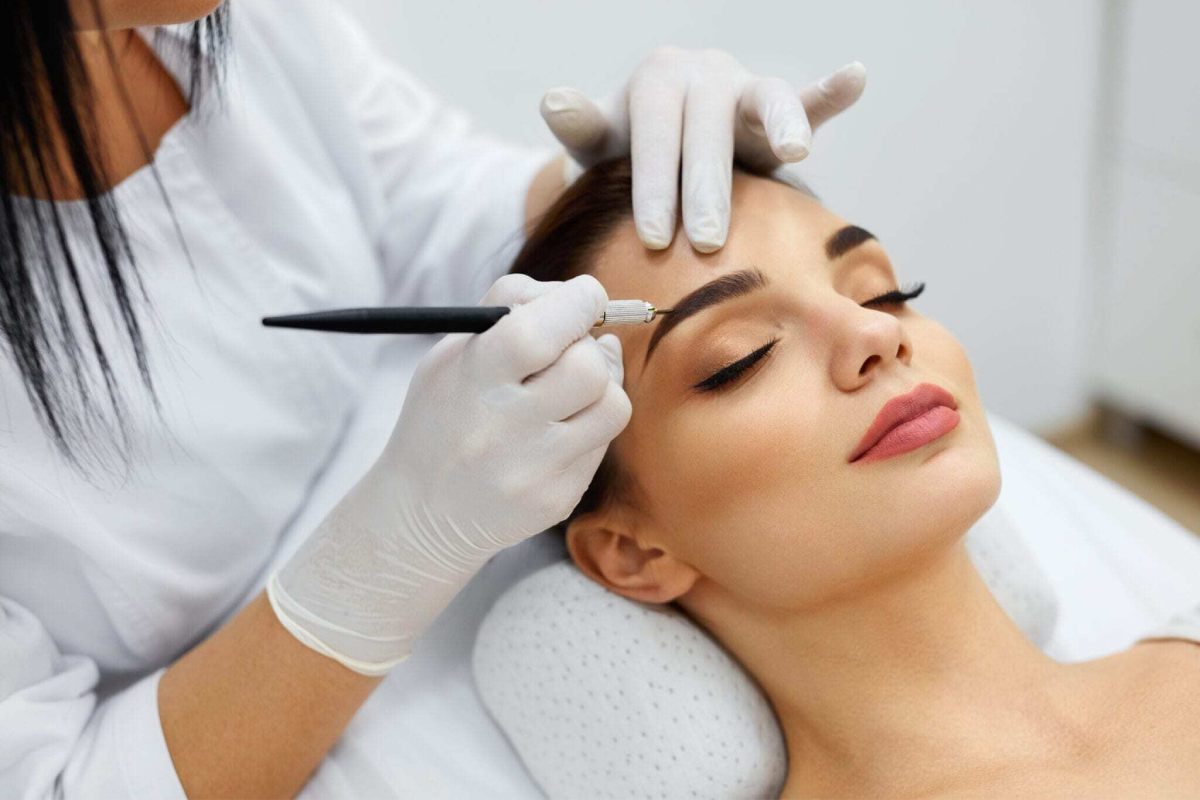
Eyebrow microblading is a cosmetic procedure designed to enhance eyebrow appearance through semi-permanent pigment implantation. While widely popular in the beauty industry, it involves skin penetration and therefore carries health and safety considerations. This guide provides accurate, neutral, and safety-oriented information to help readers understand eyebrow microblading, its benefits, limitations, and potential risks based on professional and dermatological standards.
What Exactly Is Microblading?
Microblading is a semi-permanent cosmetic tattooing technique designed to create natural-looking hair strokes. Unlike traditional eyebrow tattooing, which uses a machine and can result in a solid, sometimes “blocky” appearance, microblading is done manually with a handheld tool (a microblade) that deposits pigment superficially into the upper dermis.
Key Distinction: Because the pigment isn’t placed as deeply as a traditional tattoo, microblading typically lasts 1 to 3 years, fading gradually over time. This is often seen as a benefit, allowing your brows to evolve with trends and your own features.
How the Microblading Procedure Works
The microblading process usually begins with a consultation, during which the practitioner assesses facial structure, brow shape, skin type, and pigment preferences. A numbing cream is applied to minimize discomfort before the procedure starts.
During treatment, pigment is manually implanted into the superficial dermis using precise strokes. The session generally lasts 1.5 to 2 hours, followed by a touch-up appointment after 4–6 weeks to refine the results.
Medical and Dermatological Considerations
Microblading is considered a cosmetic procedure, not a medical treatment. Dermatologists generally note that any procedure involving skin penetration carries inherent risks, including infection, allergic reactions, scarring, and pigment changes.
The pigments used are not universally regulated in all regions, and individual reactions may differ. Claims such as “hypoallergenic” do not eliminate the possibility of adverse responses.
Benefits of Eyebrow Microblading
Microblading can be beneficial for individuals who experience eyebrow thinning due to over-plucking, aging, or certain medical conditions. When performed by a trained professional, the technique can enhance facial symmetry, reduce daily makeup time, and create long-lasting brow definition.
Because the pigment is deposited more superficially than traditional tattoos, the results fade gradually, allowing for future adjustments in brow shape or color.
Potential Risks and Side Effects
Although microblading is widely considered safe when done correctly, it is not risk-free. Possible side effects include redness, swelling, itching, and scabbing during the healing phase. In rare cases, individuals may experience allergic reactions to pigments or develop infections if proper hygiene standards are not followed.
There is also a risk of pigment discoloration or uneven fading over time. For this reason, microblading should never be performed by unlicensed or untrained individuals.
Who Should Avoid Microblading?
Microblading may not be suitable for everyone. Individuals with certain skin conditions, such as eczema, psoriasis, or active acne near the brow area, should avoid the procedure. Those with bleeding disorders, uncontrolled diabetes, or compromised immune systems should consult a healthcare professional before proceeding.
Pregnant or breastfeeding individuals are also advised to postpone microblading due to increased skin sensitivity and limited safety data.
Importance of Professional Expertise and Hygiene
Choosing a certified and experienced microblading artist is critical. A qualified professional should use sterile, single-use tools and high-quality pigments that comply with local safety regulations.
Reputable practitioners typically provide patch testing when appropriate and clearly explain risks, aftercare instructions, and expected outcomes. Transparency and professionalism are key indicators of trustworthiness.
Aftercare and Healing Process
Proper aftercare plays a major role in achieving optimal results. During the healing phase, which usually lasts 7–14 days, clients should avoid excessive moisture, sweating, sun exposure, and makeup application on the brow area.
Following the practitioner’s aftercare guidelines helps reduce the risk of infection, pigment loss, and uneven healing. Full results are usually visible after the skin has completely healed and the pigment has settled.
Long-Term Results and Maintenance
Microblading results are not permanent. Over time, pigments fade due to natural skin regeneration, sun exposure, and individual metabolism. Most individuals require a touch-up every 12–18 months to maintain their desired brow appearance.
Because trends and facial features change, the semi-permanent nature of microblading is often considered an advantage over permanent tattooing.
Expert and Medical Perspective
From a dermatological standpoint, microblading is considered a cosmetic procedure rather than a medical treatment. While generally safe, dermatologists emphasize the importance of proper sterilization, pigment regulation, and practitioner training to minimize complications.
Consulting a dermatologist or licensed cosmetic professional before undergoing microblading is especially recommended for individuals with sensitive skin or underlying health conditions.
Frequently Asked Questions (FAQ)
Q: How long does microblading last?
A: Typically 1-3 years, depending on skin type, lifestyle (sun exposure), and aftercare. Annual “color boost” touch-ups are common to maintain freshness.
Q: Does microblading hurt?
A: Most clients describe it as mild discomfort—a scratching sensation. Topical numbing makes the procedure very manageable.
Q: What is the difference between microblading, ombre powder brows, and nano brows?
A: This is a vital question. Microblading creates hair strokes. Powder/Ombre Brows use a machine for a soft, powdered, makeup-like fill. Nano Brows use a single needle machine to create ultra-fine, crisp hair strokes, often better for sensitive or mature skin. During a consultation, we determine which technique is best for you.
Q: How much does microblading cost in [Your City]?
A: In the [Your City] area, you should expect to invest between $[Price Range] for a high-quality, experienced artist. Remember, this is a semi-permanent procedure on your face; choosing based on the lowest price carries significant risk.
Conclusion
Eyebrow microblading can be an effective cosmetic solution for enhancing brow shape and fullness when performed by a qualified professional under hygienic conditions. However, it should be approached with realistic expectations and a clear understanding of potential risks.
For best results, individuals should research practitioners carefully, follow aftercare instructions diligently, and consult healthcare professionals when needed. Informed decisions are key to achieving safe, satisfying, and natural-looking results.
Disclaimer
This content is for informational purposes only and does not replace professional medical or dermatological advice. Individuals with skin conditions or health concerns should consult a qualified healthcare professional before undergoing cosmetic procedures.