

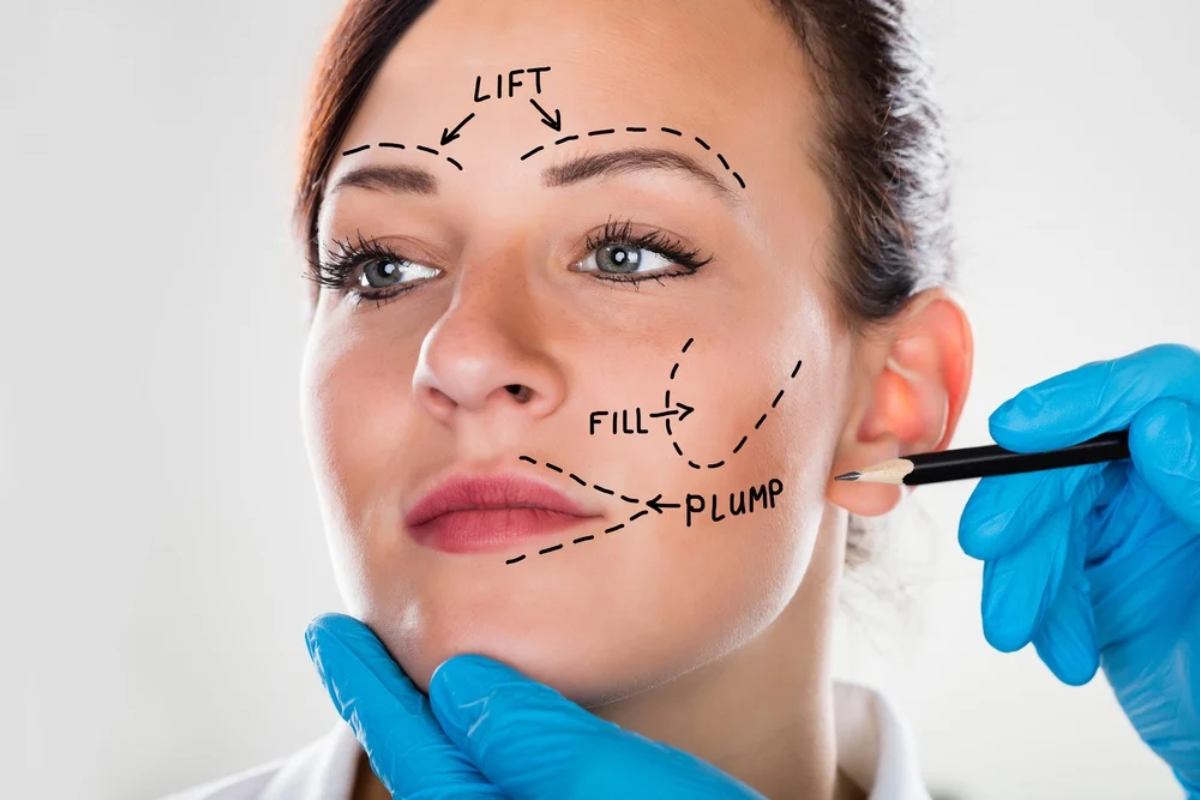
Undergoing a facelift is an important decision, often made to restore a more youthful, refreshed appearance and boost self-confidence. While much attention is given to the procedure itself, understanding what happens after a facelift is just as important. The recovery phase plays a critical role in achieving safe healing and long-lasting, natural-looking results.
This guide explains what you can realistically expect after a facelift, including recovery timelines, physical and emotional changes, aftercare tips, and signs that require medical attention.
Stages of Facelift Recovery
There are four stages in the recovery process of a facelift:
Stage 1: Immediately Post-Op
Immediately after your facelift, you will wake up in a recovery room. You may be groggy and drowsy from the anesthesia. Your face will be swollen and bruised, and you will have a head bandage. The doctor will give specific instructions on how to care for the surgical site during this time. Your healthcare team will also schedule follow-up appointments with you to monitor your progress.
Stage 2: First Two Weeks
The first few days after a facelift are very important, but they can also be the hardest. You will have some swelling and bruising, and your body will be in shock from the procedure. You will need to take it easy during these first few days, so do not rush back to work or try anything too strenuous for at least two weeks following your facelift.
Stage 3: One-Month Post-Op
As your body continues its recovery one month post-op, you should start being able to go outdoors again without feeling too much discomfort. However, keep in mind that your skin may still be sensitive to sunlight so make sure to wear sunscreen on any exposed areas (including ears) when going outside for long periods!
Stage 4: Three Months Post-Op
Three months post-op is when most patients see their final results from their facelift surgery. Some patients may notice that they still have some minor swelling or bruising around the eyes at this point; however, these issues should resolve themselves within a few weeks if they do not disappear before then.
Post-Op Instructions
Recovery from a facelift is an important process, and you need to follow the instructions of your surgeon closely. While you may be anxious to get back to your normal routine, please take the time you need to heal.
The following are some of the most important points to remember:
- Keep your head elevated when sleeping or lying down. This will help reduce swelling in the face and neck.
- Avoid straining while lifting or bending over; avoid heavy lifting for at least two months after surgery.
- Drink plenty of water and stay hydrated. Drinking water can help to flush out toxins and reduce puffiness.
- Take pain medication as prescribed by your doctor — but don’t overdo it!
- Do not touch the incisions or over-stretch them; this could cause them to open up and leak fluid which could lead to infection
- Your skin will be sensitive and fragile, so avoid hot tubs, steam rooms, saunas, swimming pools, and jacuzzis until advised by your doctor.
- You should not drive until instructed by your surgeon.
Caring for Your Skin and Incisions
Proper incision care is essential for optimal healing and minimal scarring. Patients should cleanse the area only as instructed by their surgeon and avoid applying unapproved skincare products. Harsh ingredients such as retinoids, exfoliating acids, or strong treatments should be avoided until the skin has fully healed.
Sun protection is especially important after a facelift, as UV exposure can darken scars and slow healing. Wearing a wide-brimmed hat and using broad-spectrum sunscreen once permitted can help protect sensitive skin.
Emotional Changes During Recovery
Facelift recovery involves emotional adjustments as well as physical healing. It is common to feel anxious, impatient, or temporarily discouraged during the early stages, particularly when swelling obscures results. These feelings usually improve as healing progresses and visible improvements emerge.
Maintaining realistic expectations and seeking reassurance from your surgeon can help ease emotional stress. Support from family or friends during recovery can also make a significant difference.
Warning Signs: When to Contact Your Surgeon
While facelift surgery is generally safe when performed by a qualified professional, it is important to recognize signs that may indicate a complication. Persistent or worsening pain, excessive swelling on one side of the face, signs of infection such as fever or unusual discharge, or sudden changes in sensation should be reported to your surgeon immediately.
Prompt communication helps ensure early intervention and a smoother recovery.
Frequently Asked Questions
What Is a Facelift?
A facelift is a cosmetic procedure that improves the appearance of the face by removing excess skin and fat and tightening the muscles. It can also address issues with excess tissue in the neck, which can lead to a drooping look.
How Long Does a Facelift Take?
A facelift can take anywhere from two hours to five hours, depending on the extent of work required.
What Is the Recovery Time After a Facelift?
The recovery time depends on your surgery and how your body responds to it. The most important thing is to be patient and do what your doctor tells you.
How Do I Know If I Need a Facelift?
If you’re feeling like your face could use some tightening, or if you’ve got some wrinkles and age spots that are getting harder to cover up, it might be time for a facelift. Facelifts can also help with drooping eyelids, excess skin on the neck, and jawline laxity.
What Is the Average Cost of a Facelift in Beverly Hills?
The average cost of a facelift in Beverly Hills varies depending on your surgeon’s experience level, area of expertise, and other factors. The best way to get an estimate is by setting up an appointment with a board-certified plastic surgeon near you.
What Are Some Common Side Effects of Facelift Surgery?
If you’re considering getting a facelift, you’re probably wondering what the common side effects are.
Here are some of the most common side effects:
- Numbness, tingling, or weakness in the face or neck
- Soreness
- Swelling and bruising
- Pain
- Infection
- Skin discoloration (darker or lighter than your natural skin tone)
What Are the Benefits of a Facelift?
Facelifts provide a variety of benefits for patients.
They can help:
- Restore the youthful appearance of your face
- Improve your self-confidence
- Make you feel younger and more energetic
- Enhance your self-esteem
Final Thoughts
A facelift can deliver transformative results, but the recovery process is a crucial part of the journey. Understanding what happens after surgery allows patients to prepare physically and mentally, follow proper aftercare, and achieve the best possible outcome.
By following your surgeon’s guidance, allowing your body time to heal, and practicing patience, you can enjoy a refreshed, natural appearance that reflects the full benefits of your facelift procedure.